Aug 11, 2026
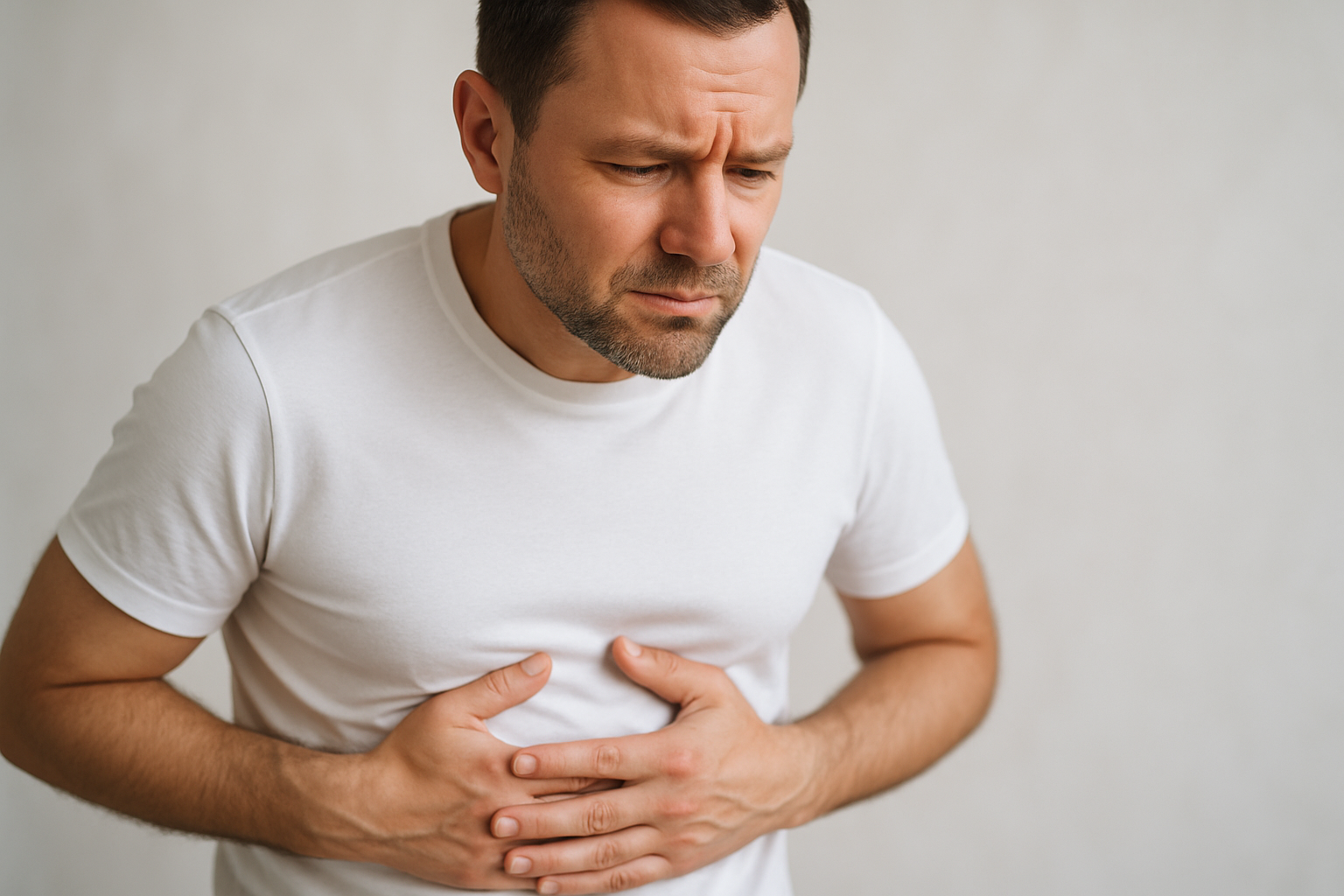
If you're racing to get to the bathroom, leaking now and then, or losing sleep to nighttime peeing, these could be signs of an overactive bladder, a cause of urinary incontinence.1
Symptoms like these are common, but they don’t have to take over your life. Learning a few lifestyle changes for an overactive bladder can help you take control and feel more comfortable and confident every day.1
Why Bladder Health Is Worth Looking After ?
Your bladder is like a storage tank for urine, holding onto it until you’re ready to go.1 When it’s working properly, you don’t even think about it. But when it’s not? Chances are, you will notice.
Some common bladder problems include:
- Overactive bladder (OAB): This causes sudden (and often frequent) urges to pee.2 It can make it tough to get through a movie, a meeting, or even get a good night’s sleep.
- Urinary incontinence: This involves losing control of your bladder and leaking urine when you’re not ready to go.1 That could mean just a few drops or a full-on accident.
- Urinary tract infections (UTIs): These painful infections can cause burning, urgency, and discomfort.2
Bladder issues don’t just affect your body, they can mess with your mind too. Worrying about leaks, always scouting for a bathroom, or waking up multiple times a night can be draining. That’s why looking after your bladder is so important.

Key Lifestyle Changes for Overactive Bladder
How Fluids and Food Impact Bladder Health
Let’s look at how your lifestyle choices could be affecting your bladder and what you can do about it.
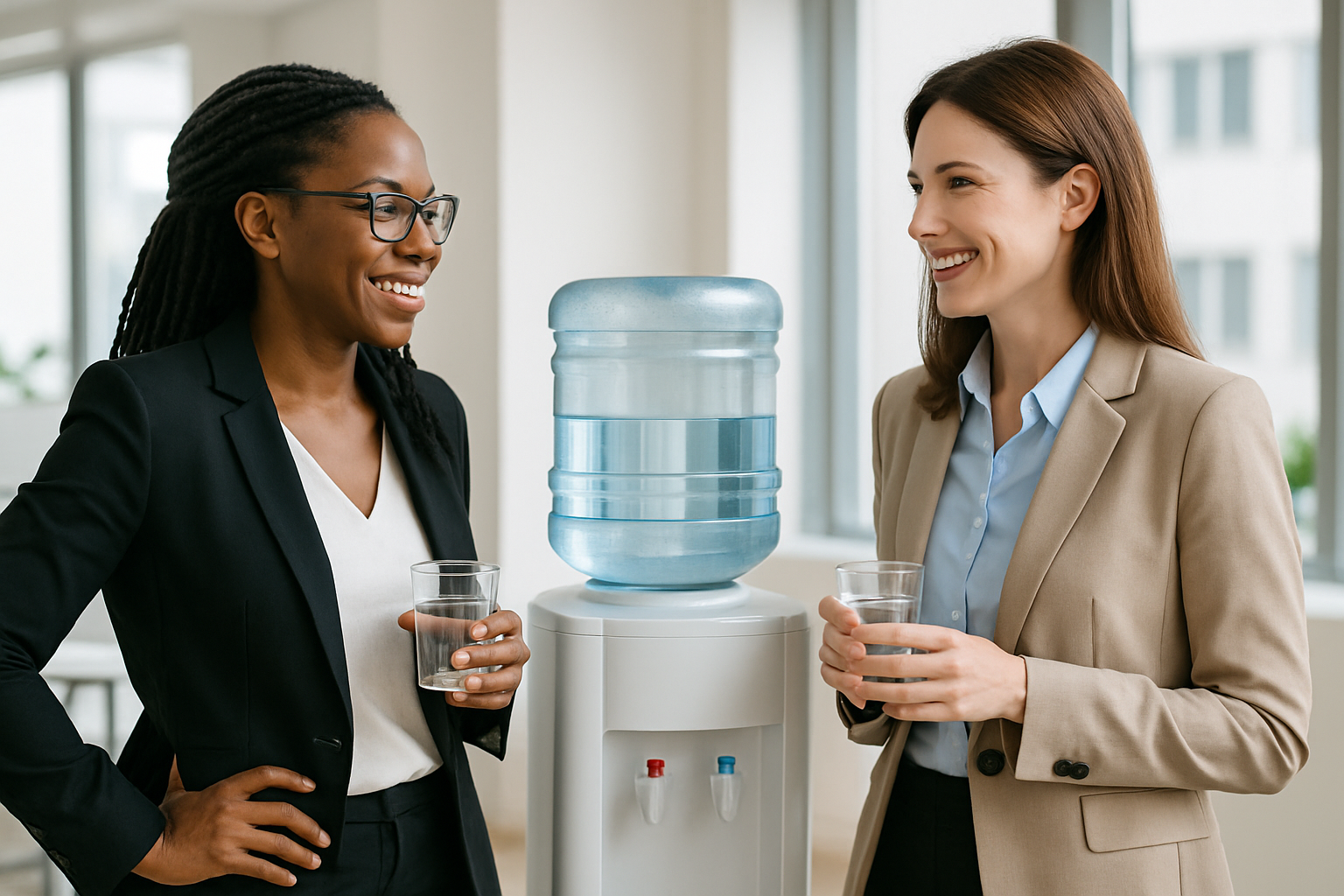
What you drink and eat plays a role in how your bladder functions.2,3 Getting the right balance of fluids is key.
Too little and your urine becomes concentrated, which could irritate your bladder. Too much, and you might find yourself running to the bathroom all the time.
If you’re not sure what the right balance is for you, speak to your healthcare provider who can guide you.2
Choosing foods and drinks that are gentle on your bladder while limiting those that may irritate it supports better bladder health. Read our guide on bladder-friendly foods and drinks to help you build your next grocery list.
What Are the Most Common Bladder Irritants?
Some foods and drinks can be tough on your bladder, making symptoms like urgency, irritation, and leaks worse.2
Bladder irritants to watch out for:2
- Caffeine & alcohol can make your OAB symptoms feel worse because they act as diuretics.1
- Artificial sweeteners also act as diuretics. The common ones to avoid are saccharin, acesulfame K, and aspartame.4
- Acidic foods and fruit juices like citrus fruit, tomatoes, and orange or grapefruit juice can trigger irritation.2
If you struggle with bladder issues, cutting back on these irritants (or replacing them with gentler alternatives) might help.2
To find your triggers, drop one item for a week, then add it back slowly and see how you feel.5
Learn more via our article, Foods and Drinks to Avoid with Overactive Bladder Issues.
Can a Healthy Weight Help Reduce OAB Symptoms?
If you're carrying some extra weight, it can press on your bladder and weaken your pelvic floor.6
This weakness can cause leaks when you sneeze, cough, or laugh.6
Maintaining a healthy weight might help prevent these leaks. Speak to your doctor about the right weight-management approach for you.6
How Does Smoking Affect Bladder Health and Should You Quit?
Smoking isn’t just bad for your lungs; it’s also bad for your bladder. It’s an irritant (that constant smoker’s cough) that can lead to more frequent peeing and discomfort.7
Quitting smoking isn’t easy, but it’s one of the best things you can do for your bladder (and overall health).7 If you need support, talk to a healthcare provider about smoking cessation strategies.
What Is Bladder Training and How Do You Start?
Bladder training is about teaching your bladder to hold urine longer when you get the urge to pee. This improves control and is especially helpful if you’re dealing with incontinence.3
Some bladder training techniques are:
- Scheduled bathroom visits: Going at set times rather than rushing to the bathroom whenever you feel the urge.3
- Delaying urination: If you feel the need to pee, try holding it in for a few extra minutes and gradually increase the time.3
- Urge suppression: When the urge hits, try not to rush to the bathroom.8 Stay still and squeeze your pelvic floor muscles a few times or distract yourself with breathing exercises before walking calmly to the bathroom.8
Check out these bladder training techniques.
Why Is a Strong Pelvic Floor Important for Bladder Control?
Your pelvic floor muscles play a role in controlling urination, and when they’re weak, leaks are more likely to happen. Strengthening them can improve bladder control and reduce incontinence.3
Simple pelvic floor exercises like Kegels (where you contract and hold the pelvic muscles for a few seconds, then relax) are a great way to strengthen these muscles. You can repeat the exercise several times a day.3
For a full guide, check out pelvic floor exercises for women.
Daily Bathroom Habits That Support Long-Term Bladder Control
Your daily bathroom habits matter more than you think!
Healthy bladder habits:
- Scheduled bathroom breaks:: Instead of waiting for that urge, try to go every two to four hours. This helps regulate your bladder and prevent sudden urges.3
- Double voiding: This involves waiting a few minutes after peeing and then trying again. This helps reduce the chances of leftover urine causing leaks later on.3
- Don't go "just in case": This only teaches your bladder to empty at smaller volumes.9,10 Over time, your bladder will start to signal the need to pee more often, even when it isn't full.9,10
- Keep your bowels regular: Constipation causes pressure on your bladder and may add to urgency.9 Eating enough fiber and drinking enough fluids can help prevent constipation.
When Should You See a Doctor About Bladder Symptoms?
Lifestyle changes like the ones above can help you manage mild symptoms.11 But if you experience new, sudden, or worse symptoms, it’s best to schedule an appointment with your doctor.12 Reach out, too, if you have pain when you pee or blood in your urine.12
Seeing your doctor early will help you get the right diagnosis and treatment.12
Staying Comfortable While You Manage Your Bladder Health
Lifestyle changes can really make a difference, but they often take time and patience before you notice the full benefits.13
While you find the strategies that work for you, there are products designed to support you, helping you feel comfortable and confident throughout your day.
TENA's liners, pads, and protective underwear provide discreet, reliable protection, so you can stay active and spend less time worrying about leaks.
FAQs
What Lifestyle Changes Help Most for an Overactive Bladder?
Bladder control strategies that can help with those uncomfortable urges include managing your fluid intake (enough, but not too much), cutting out irritants like caffeine and alcohol, trying bladder training, and strengthening your pelvic floor with Kegel exercises.13 Maintaining a healthy weight and quitting smoking also help.7,13
If you try to make several lifestyle changes at once, it can be too daunting. Instead, focus on one or two changes at a time. This makes things more manageable and the changes easier to maintain.
Why Am I Urinating a Lot but Have No Pain?
Peeing a lot more without pain could be a sign of an overactive bladder.13 It happens when your bladder muscle contracts too often, creating a sudden, strong urge to go, even when your bladder isn't full.13
This feeling could also be triggered by drinking a lot of caffeine or alcohol, or using the bathroom "just in case," before dashing out the door.1,9
If it's new, persistent, or affecting your sleep or daily life, speak to your doctor to find the cause.
What Foods and Drinks Should I Avoid with an Overactive Bladder?
Common bladder irritants include caffeine (in coffee, tea, and many sodas), alcohol, artificial sweeteners, citrus fruits, tomato-based foods, and spicy foods.13 They can increase bladder activity or make urges feel worse.1
Keeping a bladder diary helps you identify which items trigger your symptoms so you can cut them out.5
What is Bladder Training and Does it Really Work?
Bladder training is a bladder behavioral therapy that teaches you to hold more urine and pee less.8
It combines scheduled voiding (going at set times instead of with every urge), gradual time extensions between bathroom visits, and urgency suppression. This is where you pause, stay still, and let the urge pass rather than rushing to the bathroom.3,8
Your doctor might recommend it for OAB and urgency urinary incontinence management, but it takes weeks of consistent practice to see an improvement.11
Can Pelvic Floor Exercises Reduce Bladder Leaks?
Yes, strengthening your pelvic floor can help, especially when it comes to stress incontinence.3 Kegel exercises involve contracting and holding the pelvic floor muscles for a few seconds before releasing.3
Proper technique is important for achieving results, and a pelvic health physical therapist can assess if you’re doing the exercises correctly.
It may take a few months of regular practice to notice a difference, but it’s a technique worth trying.15
Does Drinking Less Water Help with an Overactive Bladder?
While it sounds like it could make sense, limiting how much you drink could make OAB symptoms worse.16 When you’re dehydrated, your urine becomes concentrated and this risks irritating your bladder, adding to urgency and frequency.16
If your urine is a pale straw color throughout the day, it means you’re drinking enough water, but avoid drinking large amounts in one go or near bedtime.16
If you're unsure how much is right for you, your doctor can advise you.
Can Losing Weight Improve Bladder Control?
Yes, carrying extra weight presses on your bladder and pelvic floor, worsening urgency, frequency, and leaks.6
For some people, losing even a little bit of weight can ease how often leaks happen.6
Talking to your doctor about a sustainable weight-loss plan is a good place to start.
Does Smoking Make Bladder Problems Worse?
Yes. Smoking not only irritates your bladder, but it can cause a lingering cough that may affect your pelvic floor, worsening stress incontinence and leaks.7
Quitting might be one of the most helpful lifestyle changes you could make for your bladder.7
Your doctor can support you and help you with strategies to quit.
When Should I See a Doctor About Bladder Problems?
While lifestyle changes can help, sometimes it’s best to see your doctor about certain symptoms for a diagnosis and the care you need.11
If your bladder symptoms are new, come on suddenly, or have become worse, it’s best to book an appointment.12
Any pain, burning, or blood when you pee, or symptoms affecting your sleep, work, or daily life should also be checked out.12
You don’t have to struggle alone with symptoms; help is available.
Can I Get Advice on Managing Urinary Incontinence in an Elderly Relative?
A good first step is to speak with a doctor to help identify the underlying cause and determine the treatment.
Lifestyle changes in this article can also help your relative. Additionally, incontinence products for different levels of leakage and different lifestyles can help them stay active and feel confident. For more guidance, see our caregiver support and elderly incontinence resources.
References
1. Healthline. ‘Overactive bladder vs urinary incontinence vs UTI’. 2024. Available from: https://www.healthline.com/health/overactive-bladder-vs-urinary-incontinence-vs-uti
2. Cleveland Clinic. ‘Bladder’. 2023. Available from: https://my.clevelandclinic.org/health/body/25010-bladder
3. MayoClinic. ‘Urinary Incontinence’. 2023. Available from: https://www.mayoclinic.org/diseases-conditions/urinary-incontinence/diagnosis-treatment/drc-20352814
4. Cherney K. 6 Tips to Get Your Bladder Under Control [Internet]. Healthline. 2020. Available from: https://www.healthline.com/health/bladder-control
5. WebMD Editorial Contributors . Food and Drink to Tame an Overactive Bladder [Internet]. WebMD. WebMD; 2024. Available from: https://www.webmd.com/urinary-incontinence-oab/food-drink
6. Whelan C. Is There a Link Between Obesity and Overactive Bladder? [Internet]. Healthline. 2023. Available from: https://www.healthline.com/health/overactive-bladder/obesity-and-overactive-bladder
7. NAFC. ‘How smoking contributes to incontinence’. 2025. Available from: https://nafc.org/bhealth-blog/how-smoking-contributes-to-incontinence/
8. Bladder urgency and Overactive Bladder (OAB) [Internet]. Gloucestershire Hospitals NHS Foundation Trust. Available from: https://www.gloshospitals.nhs.uk/your-visit/patient-information-leaflets/bladder-urgency-and-overactive-bladder-syndrome-oab/
9. Regain Control With Bladder Training [Internet]. Cleveland Clinic. Available from: https://health.clevelandclinic.org/bladder-training
10. Pelvic health physiotherapy Bladder retraining Information for patients [Internet]. [cited 2026 Jun 23]. Available from: https://www.imperial.nhs.uk/-/media/website/patient-information-leaflets/physiotherapy/bladder-retraining.pdf
11. Smith BC, Khan MZ, Reckers MJ, Dobbs K, Soltani-Tehrani AM, Goldenberg MG. The Overactive and Poorly Compliant Bladder: a Review of Coexisting Detrusor Overactivity and Poor Compliance. Current Bladder Dysfunction Reports. 2025 Dec;20(1).
12. Lower Urinary Tract Symptoms (LUTS): Overview [Internet]. Cleveland Clinic. 2026. Available from: https://my.clevelandclinic.org/health/symptoms/24248-lower-urinary-tract-symptoms
13. Cleveland Clinic. Overactive Bladder (OAB): Causes, Symptoms & Treatment [Internet]. Cleveland Clinic. 2022. Available from: https://my.clevelandclinic.org/health/diseases/14248-overactive-bladder
14. NIH. ‘Urinary Incontinence in older Adults’. 2022. Available from: https://www.nia.nih.gov/health/bladder-health-and-incontinence/urinary-incontinence-older-adults#treating-and-managing-urinary-incontinence
15. NHS Choices. 10 ways to stop leaks - Urinary incontinence [Internet]. NHS. 2020. Available from: https://www.nhs.uk/conditions/urinary-incontinence/10-ways-to-stop-leaks/
16. WebMD Editorial Contributors. Urge Incontinence Tips [Internet]. WebMD. 2023. Available from: https://www.webmd.com/urinary-incontinence-oab/oab-tips