Jun 30, 2026
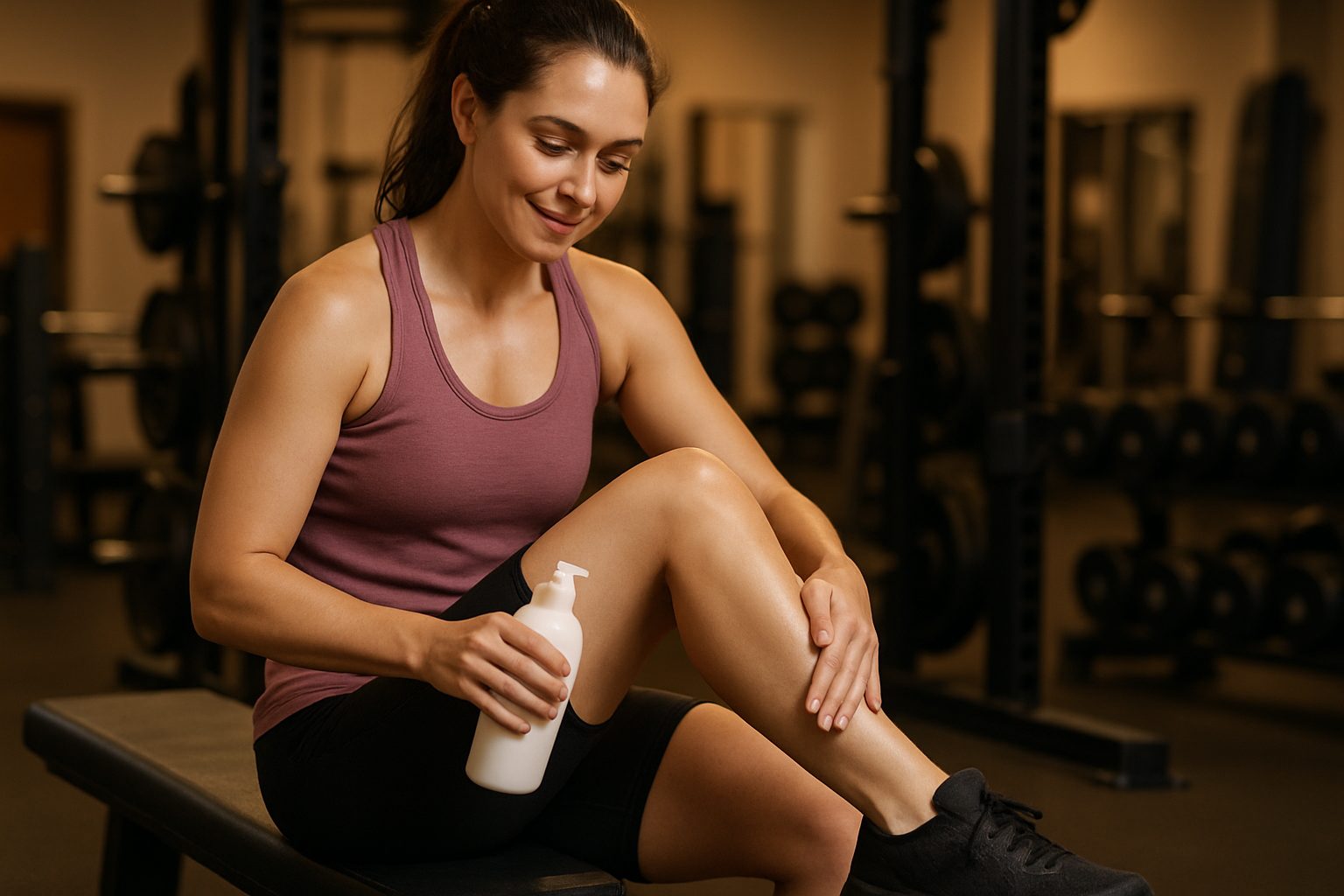
Living with incontinence comes with quite a few challenges. Exercise is one of them. Whether you’re in a yoga class, lifting weights at the gym, or just going running, urinary leakage could happen anywhere, at any time, to women of all ages.
These leaks often happen when the pelvic floor is weak, and certain movements put extra pressure on your bladder.1 But there’s no need to let it stop you from getting the exercise you need.
Why do I Leak Urine when Exercising?
Incontinence while running or exercising is most commonly due to stress incontinence. Urinary leakage could also happen when laughing, sneezing, or coughing; basically, any type of activity that could add extra pressure on your pelvic floor muscles.1
This pressure is called intra-abdominal pressure.2 When it’s high, it pushes down on your pelvic floor muscles. If these muscles are weak, they can’t offer enough support to your bladder and other organs, causing those unexpected leaks.2, 3
While it can happen to women of all ages, stress incontinence is common among women because of life occasions like childbirth, menopause and pregnancy.4 Here are a few useful tips for how to manage urinary leakage during exercise and keep active.
1. Strengthen your Pelvic Floor with Kegel Exercises
Kegel exercises, or pelvic floor exercises, are one of the most effective ways to reduce leaks. A weak pelvic floor could make you more likely to experience leaks during exercise. But with as little as five minutes of Kegel exercises a day, you could strengthen those muscles, reduce unexpected leaks, and regain control.1 It might feel hard at first, but keep showing up; with time, it could feel as natural as breathing.
Need help getting started? Check out our step-by-step guide or better yet, download our pelvic floor fitness app. And if you’re pregnant or you’ve just given birth, we have something for you too; here are some gentle pelvic floor exercises to try.
2. Watch What You Drink
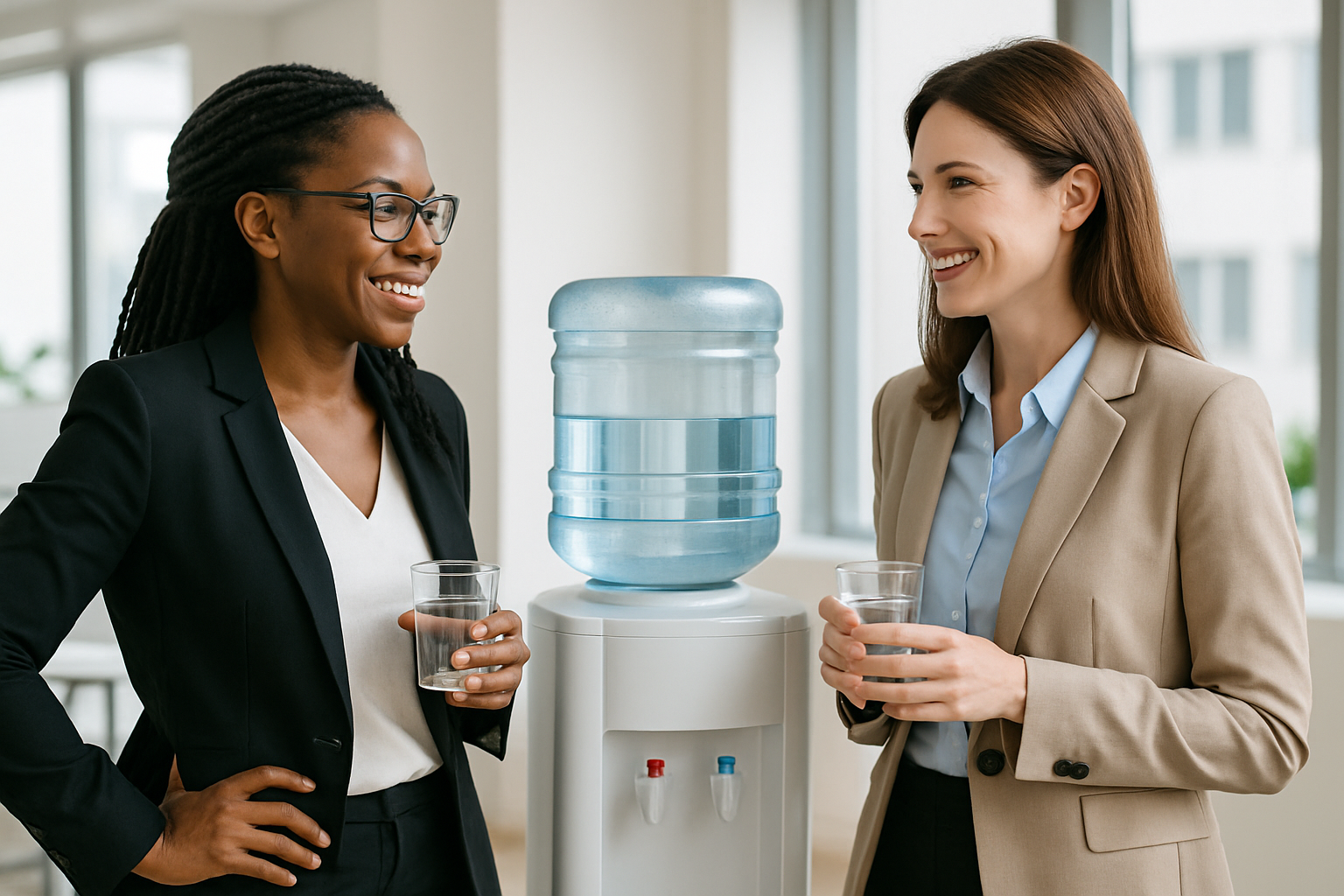
Leaks could be frustrating, and it’s understandable to want to cut down on fluids.5 But avoiding them completely could lead to dehydration, which might irritate your bladder and cause even more leaks.5 The key is to find a balance; sip water steadily throughout the day and aim for pale yellow urine as a sign of good hydration.5
While it is important to stay hydrated, especially when exercising with bladder leaks, consider staying away from caffeinated drinks (like coffee, soda, or tea) before working out. Caffeine could make you feel more urgency to pee and make more trips to the bathroom.
3. Protect Yourself with Incontinence Pads or Underwear
Unlike older incontinence products that were bulky or uncomfortable, today’s options are discreet, breathable, care for your skin and stay in place during movement thanks to being designed to fit your anatomy.
So, if you’re experiencing leaks, our discreet incontinence products will offer the best protection against leaks with odor control, helping you work out on that treadmill with confidence.
4. Retrain your Bladder
Take charge of your bladder by not running to the bathroom every time you feel the urge to pee. Just like any muscle in your body, your bladder can be trained. Try extending the time between bathroom visits and gradually work up to longer stretches.6
Each time you feel the urge to go, use relaxation techniques or Kegels to help you wait a little longer.6 Once you’re ready, add 15 to 30 minutes to your schedule and keep increasing it each week, or as your body allows.6
It’s normal to feel frustrated if progress feels slow, but that’s part of the process. Stay patient and consistent; your efforts will pay off over time.
5. Empty your Bladder Before Exercise
If you experience bladder leaks during exercise, try to build a habit of emptying your bladder, or “warming it up” with a few gentle Kegel squeezes before you start.7
Tip: To help you feel more comfortable during exercise, choosing food that is kind to your digestive system could also help you avoid embarrassing gas and feel less bloated before training.
Whatever you Do, Don’t Stop Exercising.
As you can see, there are many ways to manage your leaks while living an active lifestyle. Staying active isn’t just good for your body; it can lift your mood, boost your confidence, and remind you that you’re in control.
By changing some of your habits and using our protective incontinence products for exercise, you can achieve the confidence to do what you want and be the best version of you.
Need more tips? Check out our article on living with bladder weakness.
FAQs
Why Do I Leak Urine When I Exercise?
You might notice more leaks when you exercise if your pelvic floor muscles are weaker than usual, because it puts extra pressure on those muscles.1 The good news is that there are exercises you can do to help you have fewer leaks by strengthening your pelvic floor muscles.1
What exercises are best if I have incontinence?
When exercising with bladder weakness, it's best for you to opt for low-impact exercises like walking.8 High-impact or high-strain exercises like jumping or weightlifting could strain your pelvic floor and cause more leaks.8
Can I still work out if I have bladder leaks?
Yes, you can. With the right routine, a few lifestyle adjustments, and preparations, you could stay active and confident, even with incontinence.
References
1. WebMD Editorial Contributor. Types of Urinary Incontinence [Internet]. WebMD. 2024. Available from: https://www.webmd.com/urinary-incontinence-oab/types-of-urinary-incontinence
2. Dietze-Hermosa M, Hitchcock R, Nygaard IE, Shaw JM. Intra-abdominal Pressure and Pelvic Floor Health. Female Pelvic Medicine & Reconstructive Surgery. 2020 Apr 21; Publish Ahead of Print.
3. Pelvic Floor Muscles: Anatomy, Function & Conditions [Internet]. Cleveland Clinic. 2022. Available from: https://my.clevelandclinic.org/health/body/22729-pelvic-floor-muscles
4. Lugo T, Riggs J. Stress Incontinence [Internet]. PubMed. Treasure Island (FL): StatPearls Publishing; 2020. Available from: https://www.ncbi.nlm.nih.gov/books/NBK539769/
5. WebMD Editorial Contributor. Urge Incontinence Tips [Internet]. WebMD. 2023. Available from: https://www.webmd.com/urinary-incontinence-oab/oab-tips
6. UCSF Health. Bladder Training [Internet]. ucsfhealth.org. Available from: https://www.ucsfhealth.org/education/bladder-training
7. Step-by-step guide to performing Kegel exercises - Harvard Health [Internet]. Harvard Health. Harvard Health; 2015. Available from: https://www.health.harvard.edu/step-by-step-guide-to-performing-kegel-exercises
8. Bø K, Haakstad LAH, Paulsen G, Rustaden AM. Does regular strength training cause urinary incontinence in overweight inactive women? A randomized controlled trial. International Urogynecology Journal. 2021 Mar 15;32(10):2827–34.