Mar 04, 2026
Ever wondered what bladder stones are? They might not come up in everyday conversation, but they’re a treatable condition that affects the urinary system.
Bladder stones can happen to anyone, and spotting the signs early could make all the difference.
We look at why you get bladder stones, the symptoms to watch for, treatment options, and what follow-up care may involve.
What are Bladder Stones?
Bladder stones are hardened mineral deposits that form in the bladder. They often develop when the bladder doesn’t empty fully.1
While both bladder and kidney stones are mineral deposits, the difference lies in where they form and how they affect you.1,2
How Common are Bladder Stones?
Bladder stones tend to affect older men and women, people with urinary retention, and are quite common in men over 50. That’s because they are more likely to develop an enlarged prostate, which blocks the flow of urine.1
Other factors that may increase the risk of bladder stones include:2
- Radiation therapy
- Certain bladder surgeries
- Urethral stricture (narrowing of the urethra)
- Recurrent urinary tract infections (UTIs)
- Schistosomiasis (a parasitic infection)
What Causes Bladder Stones?
When the bladder doesn’t empty completely, your urine can become concentrated.2 And over time, the minerals in it may crystallize and form bladder stones.2
Some common bladder stone causes are:2
- Nerve-related bladder conditions (neurogenic bladder)
- Urinary tract infections
- Enlarged prostate
- Kidney stones
- Medical devices like catheters
What are the Symptoms of Bladder Stones?
If your bladder stones are small, you might not notice any symptoms.2 Larger stones, however, could cause bladder stone symptoms such as:
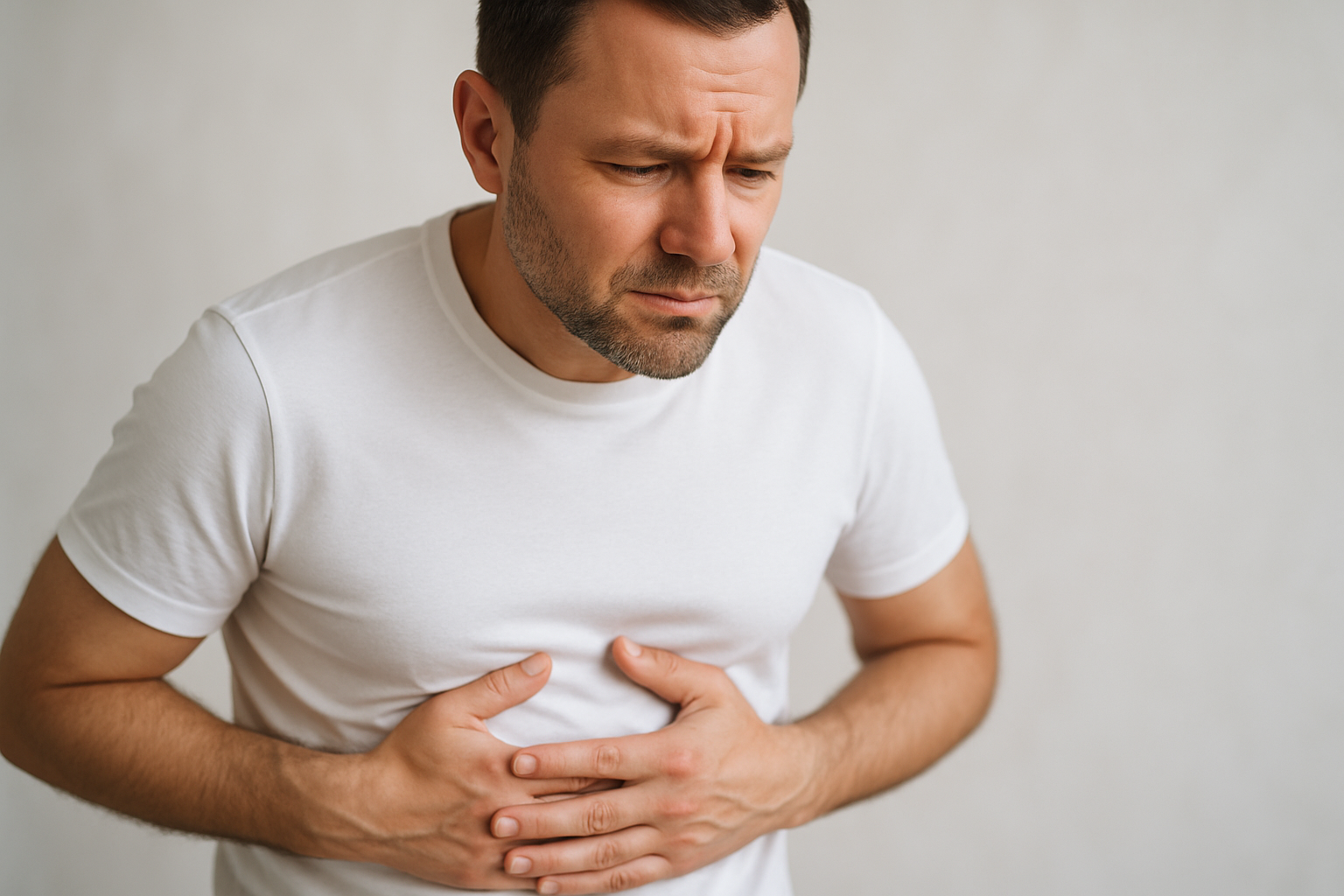
- lower stomach pain2
- frequent urges to pee2
- pain when peeing2
- difficulty peeing1
- blood in your urine2
- passing less urine than usual2
- urinary tract infections2
How Do You Treat Bladder Stones Naturally?
Drinking water could help small stones in the bladder pass on their own, but it may not be enough, especially if you have trouble fully emptying your bladder.3 If you’re tempted to use home remedies, please remember they shouldn’t replace professional care.
If you notice symptoms, it’s important to see your doctor for a check-up and proper diagnosis,3 which may include testing for urinary retention.4
What to Expect at the Doctor
Before your doctor starts any treatment, they’ll first need to confirm that you have bladder stones. This usually involves talking through your symptoms, doing a physical exam, and running a few simple tests, such as:1
- A urinalysis to check for bacteria or minerals.
- Blood tests to check mineral levels.
- Imaging tests to view the bladder and check for stones.
Once bladder stones are confirmed, your doctor will guide you through the most suitable bladder stone treatment. This may involve a simple procedure in hospital to break the stones into smaller pieces using lasers or ultrasound waves. These fragments can then be flushed out of your bladder with fluids.3
While a hospital stay may sound daunting, most people are usually able to return to their normal routines within a few days.3 If you have larger stones, a different approach might be needed like surgery, where recovery time will be a bit longer.3
Can Bladder Stones be Prevented?
Certain lifestyle habits and preventative measures could help support your bladder health and may lower your risk of bladder stones.2 They include:2
- Staying hydrated
- Maintaining a healthy weight
- Regular medical check-ups if you’re at higher risk, for example, if there’s a family history of bladder stones
- Managing underlying conditions early
- Adjusting your diet to include less salt, sugar, and animal protein
Follow-up Care for Bladder Stones
After treatment, it’s important to attend follow-up appointments. Your doctor will need to make sure all stones have been removed3 and check that your bladder is working properly. Even a small stone left behind could cause your symptoms to return and affect your bladder function.5
Long-Term Monitoring
Sometimes after bladder stone removal, you might need long-term monitoring, especially if you’re an older adult with gout, hypertension, or obesity.5
These conditions could increase your risk for urinary bladder stones, making monitoring essential to preventing them from recurring.5
Explore our range of incontinence products, designed specifically for men and women with your comfort, skincare, and confidence in mind.
FAQs
How serious are bladder stones?
While bladder stones are usually manageable with proper care, they could become serious if left untreated.6 Untreated stones can lead to bladder damage, infections, or urinary retention.6
What not to drink with bladder stones?
Limit caffeine and sugary drinks, as they can irritate the bladder and increase urine concentration. Drink plenty of water instead. Staying hydrated is one of the best ways to support your bladder health.7 It helps keep your urine diluted, which can lower the risk of bladder stones.2
While it’s fine to enjoy coffee or alcohol occasionally, try to drink these in moderation and make water your main beverage.7
What is the difference between kidney stones and bladder stones?
Bladder and kidney stones share similarities in diagnosis, treatment, and prevention.2 But, they form in different parts of the urinary system and some of their symptoms differ.2
Kidney stones develop in the kidneys and may cause systemic symptoms like fever, nausea, vomiting or blood in the urine.2 Bladder stones form in the bladder, often causing frequent urges to pee, difficulty urinating, and they can also cause blood in the urine.2
References
1. NHS. Bladder Stones [Internet]. Nhs.uk. 2018. Available from: https://www.nhs.uk/conditions/bladder-stones/
2. Nunez K. Key Differences Between Bladder Stones and Kidney Stones [Internet]. Healthline. Healthline Media; 2022 [cited 2026 Jan 22]. Available from: https://www.healthline.com/health/kidney-health/bladder-stones-vs-kidney-stones#symptoms
3. Bladder Stones - Treatment [Internet]. Nhs.uk. 2018. Available from: https://www.nhs.uk/conditions/bladder-stones/treatment/
4. Urinary Retention - Unable to urinate - Urologist - Urology Austin [Internet]. Urology Austin. 2024. Available from: https://urologyaustin.com/emergency-conditions/urinary-retention/
5. Tzelves L, Berdempes M, Mourmouris P, Mitsogiannis I, Skolarikos A. Optimal Delivery of Follow-Up Care for the Prevention of Stone Recurrence in Urolithiasis Patients: Improving Outcomes. Research and Reports in Urology [Internet]. 2022 Apr 19; 14:141–8. Available from: https://www.dovepress.com/optimal-delivery-of-follow-up-care-for-the-prevention-of-stone-recurre-peer-reviewed-fulltext-article-RRU#cit0007
6. Leslie SW, Sajjad H, Murphy PB. Bladder Stones [Internet]. PubMed. Treasure Island (FL): StatPearls Publishing; 2023. Available from: https://www.ncbi.nlm.nih.gov/books/NBK441944/
7. How much do I need to drink? [Internet]. 2021. Available from: https://www.baus.org.uk/userfiles/pages/files/Patients/Leaflets/Stone%20diet.pdf