Jun 29, 2026
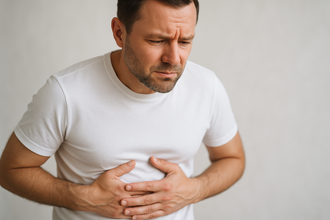
Ever noticed a wet spot in your underwear after peeing? Sometimes, it could make you wonder if something serious is going on in your body.
It may well be a condition called post-micturition dribble (PMD), and it can be frustrating. You're not alone, as studies show anywhere from 8.7% to 63% of men experience it, too.1
Let's explore exactly what those leaks mean; including their causes and how to manage them.
What Is Post-Micturition Dribble (PMD)?
PMD is when a few drops of urine stain your clothing after you’ve finished peeing.1 You may notice these urinary dribbles while you're pulling up your underwear or as you’re heading out of the bathroom.1
This can happen for a few different reasons (which we'll cover below), but one of the most common is that urine isn't fully released when you think you're done.
Urine can get trapped in a part of your urethra called the bulbar urethra, which sits just below your pelvic floor muscles, at the point where your penis and scrotum meet.3
When that urine leaks out, drips and dribbles are the result.3
Although PMD causes leaks, it’s not a bladder issue but a urethral issue.3,4 The symptoms are also different from terminal dribble, which is a few drops at the end of your urine stream.4,5,6
Urinary dribbling is often assumed to be part of getting older. But they can affect men at any age.4
PMD vs. Other Types of Urinary Incontinence
Different types of incontinence require different management strategies, so it’s helpful to understand which type you have.7,8
Here's a guide to help you tell them apart:
| Incontinence type | Timing | Cause | Symptom pattern |
|---|---|---|---|
|
PMD |
Right after peeing.1 |
Weakness of the pelvic muscles around the urethra.8 |
Leaks after finishing urination1 |
|
During actions like sneezing8 |
Weak pelvic floor and added bladder pressure.8 |
Leaks when sneezing, laughing, or coughing8 |
|
|
Before reaching the toilet.8 |
Overactive bladder muscles.8 |
Leaks after you feel a sudden, intense urge to pee.8 |
|
|
Overflow incontinence |
Once bladder capacity is exceeded8 |
Bladder does not empty fully.8 |
Frequent leaks or constant dribbling.9 |
What Causes Post-Micturition Dribble in Men?
There are several reasons why you may experience dribbling after peeing they include:
Weak Pelvic Floor Muscles
There are several reasons why you may experience dribbling after peeing. Understanding why PMD happens can help you choose the right management options and have more informed conversations with your doctor. Let’s look at some of the main causes.
Weak Pelvic Floor Muscles
Your pelvic floor muscles surround and support your urethra.10 When they are weak, they might not be able to put enough pressure on your urethra to empty properly, which could cause dribbling shortly peeing.11
You might have weak pelvic floor muscles due to:
- Enlarged prostate surgery3
- Straining during bowel movements, especially with constipation3
- Being overweight3
- Chronic coughing (like smoker's cough)3
- Regular heavy lifting3
- Aging9
- Brain injury 3
- Neurological conditions such as Parkinson's disease, multiple sclerosis or stroke.8
Urethral Trapping of Urine
If your pelvic floor doesn’t put enough pressure on your urethra, a small amount of urine gets trapped in your bulbar urethra.3,4
That's why you might notice dribbles after you’ve peed. 4
Enlarged Prostate (BPH)
An enlarged prostate can put pressure on your bladder and squeeze the urethra, making it harder for you to fully empty your bladder.5 When urine stays behind, it can later leak out as dribbles.5
Other Contributing Factors
Apart from weakened pelvic floor muscles, trapped urine and prostate problems, there are other factors that could cause PMD.
Two common post-void habits; not fully emptying your bladder and skipping the urethral milking technique (more on this later), are frequently behind urinary leakage in men after using the toilet.1
Who Is Most at Risk?
Here are some factors that could put you at risk for PMD:
Age-Related Muscle Weakness
As you get older, your pelvic floor muscles, like many other muscles, may weaken.9 Weaker pelvic floor muscles may not fully support the urethra when you pee, which increases your risk for PMD.10
Although PMD is more noticeable with age, this doesn’t mean you have to put up with it and that it just keeps getting worse. Pelvic floor exercises help strengthen this area at any age.14, 15
Men with Previous Prostate Surgeries
Prostate surgery for conditions like prostate cancer or benign prostate hyperplasia (BPH) could lead to male bladder leaks.16,17/sup> Incontinence issues after prostate surgery, like PMD, can happen because the procedure sometimes affects how your pelvic floor and urethra function.8,13
Your doctor might recommend supervised pelvic floor therapy to help you regain control.19
Lifestyle and Health Factors
Your lifestyle and state of health could increase your risk for pelvic floor weakness and PMD. These are some common risk factors:
- Gender
- Heavy smoking
- Diabetes
But many of these risk factors can be changed or managed through losing some weight and doing exercise. This means you can take an active role in reducing your risk.
How Is PMD Diagnosed?
It’s understandable to feel embarrassed about going to a urologist with urinary dribbling. Or maybe you think the problem is too minor to address. But a urologist can diagnose what's behind the leaks, rule out other causes, and create a PMD treatment plan for you.
At your consultation, your urologist would typically review your medical history, including:20
- Symptom patterns, like when leaks happen and how often.
- Lifestyle habits, like your diet.
- Past or ongoing health conditions.
They may also do tests like:14
- Urinalysis: To check for infections.
- Ask you to keep a bladder diary: To track your fluid intake, peeing schedule, and leaks.
- Uroflowmetry (part of urodynamic tests): To measure the pressure and flow of your urine.
- Post-void residual measurement: To see how much urine stays in your bladder after you pee.
Your urologist may also ask you to keep a bladder diary to track your fluid intake, peeing schedule, and leaks.
How to Manage and Treat Post-Micturition Dribble
Many men with PMD experience improvement of their symptoms by using some of these easy techniques or doing targeted exercise.
The Urethral Milking Technique
Your doctor or continence nurse might recommend urethral milking or urethral bulbar massage to help with dribbles. If you haven’t come across this before, this is how it’s done:4
- Before leaving the bathroom, place three fingers behind your scrotum.
- Gently massage this area forward and upwards towards your penis.
This helps push out urine that may be trapped in your bulbar urethra.4 It only takes a few seconds, and it’s easy to do.4
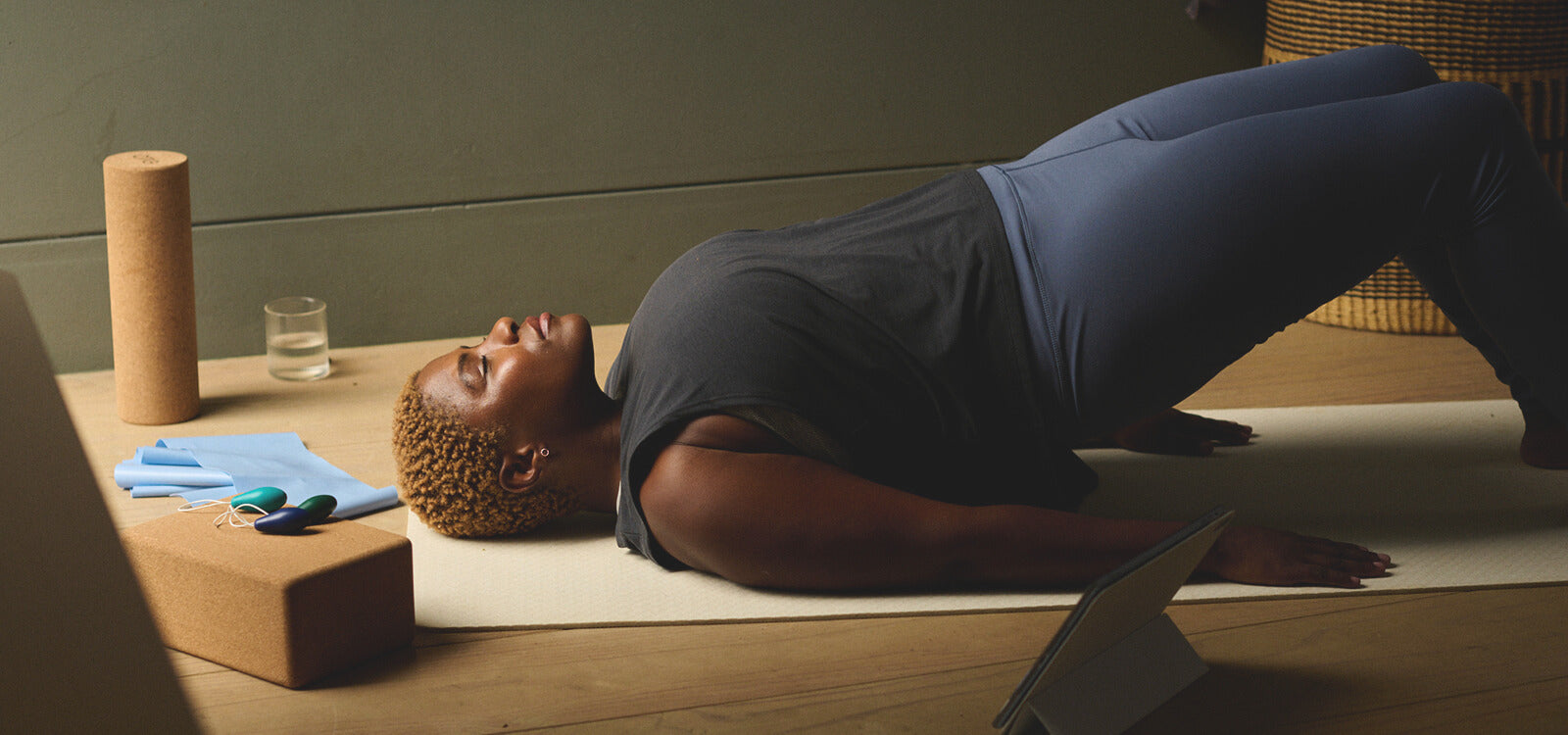
Pelvic Floor Muscle Exercises (Kegels)
Pelvic floor exercises can help reduce urinary dribbling if your pelvic floor muscles are weak.11
They work by strengthening these muscles if you do them regularly for 12 weeks or more. 11, 4
Here are some tips on pelvic floor exercises for men:
- Get comfortable and relax your thigh muscles, buttocks, and stomach.
- Try to tighten the muscles around your anus (as if you’re stopping gas) without tensing your thighs, buttocks, or stomach.
- Then try to take your penis into your body (like trying to shorten it) while lifting your scrotum towards your belly button.
- Take a pause and relax.21
- Repeat this movement 8 to 12 times for 3 to 5 seconds each.22
If done correctly, you may feel a slight dip at the base of your penis and notice your scrotum move slightly.15 Don’t worry if it feels tricky, a physiotherapist can guide you if needed.
Practical Urination Habits
Here are some tweaks to your regular habits that can help if you’re experiencing dribbling after urination:
- Try sitting down when you pee; it allows your pelvic floor to relax, helping with emptying.23
- Wait for a while after peeing to make sure it's all out.23
- Try urethral milking to help remove any remaining pee. 23
- Use male incontinence products to catch leaks.
Lifestyle Changes That Support Pelvic Floor Health
Some lifestyle changes that protect your pelvic floor include:
- Preventing constipation to avoid straining. You can do this by adding more fiber to your diet, like fruit and vegetables.20
- Drinking 1.5 to 2 l of fluid to support healthy bladder function.24 Too little fluid can irritate your bladder.25
- Stop smoking to prevent smoker’s cough, which weakens your pelvic floor.23
- Maintain a healthy weight to help keep pressure off your pelvic floor and bladder.26
- Before lifting heavy objects, contract your pelvic floor muscles.27
Want to add some bladder-friendly foods to your diet, and know which foods to avoid? Learn about the best and worst foods for overactive bladder.
Choosing the Right Male Incontinence Product
Male incontinence products offer discreet protection to help catch those dribbles, keeping you dry, comfortable, and confident. Some options to try include:
- Male Incontinence Guards: Slim, discreet, lightly absorbent for minor leaks.
- Male Incontinence Shields: Offer extra protection with a comfortable, low-bulk fit.
- Male Incontinence Underwear: High absorbency with a regular underwear look and feel.
Here are some helpful guides for men to help with incontinence pads:
Medical Treatment
In some cases, your healthcare provider may recommend medical or surgical treatments to help treat urinary dribble.
Medications may also be an option when other methods aren't enough.11 Always consult your doctor about these.
When to Talk to Your Doctor
Urinary symptoms can be embarrassing to talk about, so it’s no surprise that many men avoid booking an appointment with their doctor. But it’s best not to wait until your symptoms become worse.
Your doctor or continence nurse can confirm if you have PMD, what the cause is, and guide you through your treatment options.
It's also time to talk to your doctor when:
- Leaks start affecting your sleep, work, or social life.2
- You notice new symptoms, such as blood in your urine.2
- You have trouble emptying your bladder.2
- Symptoms begin after prostate surgery.3
- You also experience nocturia, urges, and multiple bathroom visits.4
Remember that your doctor is trained to answer any of your questions and concerns, no matter how embarrassing. Don’t hesitate, make the call.
FAQ Section
What Is Post-Micturition Dribble?
PMD is a lower urinary tract symptom that affects an estimated 8.7% to 63% of men. It’s where small amounts of urine leak out immediately after you’ve been to the bathroom.1,3,4 Luckily, PMD is manageable. 3
What Causes Post-Micturition Dribble in Men?
Some causes of urinary dribbling in men include:
- Pelvic floor weakness, caused by neurological conditions, obesity, or constipation6
- An enlarged prostate5
- Age-related muscle weakness13
- Prostate surgery3
Your doctor can find out the exact cause and help you with the right treatment.
How Do You Stop Post-Micturition Dribble?
Some everyday tips to help with post-void dribble in men include:
- Doing regular pelvic floor exercises to strengthen your muscles12
- Trying urethral milking after using the toilet to help clear trapped urine4
- Sitting down to pee instead of standing, to allow your pelvic floor to relax, and empty23
- Pausing for a few moments after peeing, not rushing to leave the bathroom23
- Speaking with a doctor or continence nurse if symptoms continue
Is It Normal to Dribble After Urinating?
Small amounts of pee leaking after leaving the toilet is common in men and has a recognised medical name: post-micturition dribble. It’s also called post-void dribbling.1,4
But it’s not an inevitable part of aging, and it’s manageable.4 Following the guidance in this article and speaking with a doctor may help improve your symptoms.
Does a Weak Pelvic Floor Cause Post-Micturition Dribble?
Yes, a weak pelvic floor is a common cause of post-mictruition dribble in men. 4
Your pelvic floor muscles help your body release urine.3,4 When these muscles get weak, urine can get trapped in the bulbar urethra and leak out as you walk away from the toilet.3,4
But regular pelvic floor exercises may help improve symptoms over time.4
What Is the Urethral Milking Technique?
If you have PMD, your doctor or continence nurse might recommend urethral milking to help clear any trapped urine after peeing.4
It involves placing two or three fingers behind the scrotum and gently pressing upward and forward toward the base of the penis to help push leftover urine out of the urethra before dribbling happens.4
When Should I See a Doctor for Post-Micturition Dribble?
Seeing your doctor or continence nurse early could help you get the right support sooner and your symptoms can improve faster.
It’s also best to see your doctor if:
- Your daily life, confidence, or sleep is being affected.2
- There’s blood in your pee.2
- You have difficulty fully emptying your bladder.2
- Symptoms arise after prostate surgery.3
- You have symptoms such as nocturia, urges, and multiple bathroom visits.4
Can PMD Be Cured?
PMD symptoms may improve with consistent pelvic floor exercises and urethral milking.4 In some cases, your doctor might recommend medications to help you.4
References
1. Albakr A, Walid El Ansari, Mahdi M, Heba Megahed, Lock M, Arafa M, et al. Postmicturition dribble in men with no previous urogenital surgery: Systematic review and meta‐analysis of treatment modalities. Neurourology and Urodynamics. 2023 Nov 30;43(7).
2. Every H. Post Micturition Dribble -Men [Internet]. 2021 Oct. Available from: https://www.esht.nhs.uk/wp-content/uploads/2021/11/0947.pdf
3. Freitas P, Alves A, Correia P, Dias J. Urethrocystography: a guide for urological surgery? Diagn Interv Radiol [Internet]. 2023 [cited 2023 Nov 21];29(1). Available from: https://cms.dirjournal.org/Uploads/Article_57296/Diagn%20Interv%20Radiol-29-9-En.pdf
4. Yang DY, Lee WK. A current perspective on post-micturition dribble in males. Investigative and Clinical Urology [Internet]. 2019 May 1 [cited 2020 Dec 4];60(3):142–7. Available from: https://icurology.org/DOIx.php?id=10.4111/icu.2019.60.3.142
5. Werett A. Urine Dribble: Is It a Normal Occurrence? | MedShun [Internet]. Medshun.com. 2025 [cited 2025 Jun 11]. Available from: https://medshun.com/article/is-urine-dribble-normal
6. Post Micturition Dribble (PMD) [Internet]. Bladder & Bowel Community. 2017. Available from: https://www.bladderandbowel.org/bladder/bladder-conditions-and-symptoms/post-micturition-dribble/
7. Varner D. Types of Male Incontinence [Internet]. Tena.us. TENA US Store; 2024 [cited 2025 Jun 11]. Available from: https://shop.tena.us/blogs/support-and-advice/types-and-causes-of-male-incontinence
8. WebMD Editorial Contributor. Types of Urinary Incontinence [Internet]. WebMD. 2024. Available from: https://www.webmd.com/urinary-incontinence-oab/types-of-urinary-incontinence
9. Cleveland Clinic. Urge Incontinence: Causes, Symptoms & Treatment [Internet]. Cleveland Clinic. 2021. Available from: https://my.clevelandclinic.org/health/diseases/22161-urge-incontinence
10. Cleveland Clinic. Pelvic Floor Muscles: Anatomy, Function & Conditions [Internet]. Cleveland Clinic. 2025. Available from: https://my.clevelandclinic.org/health/body/22729-pelvic-floor-muscles
11. Cleveland Clinic. Overflow Incontinence: Causes, Symptoms & Treatment [Internet]. Cleveland Clinic. 2024. Available from: https://my.clevelandclinic.org/health/diseases/22162-overflow-incontinence
12. Edward Calleja. Pelvic floor exercises can improve urinary dribbling [Internet]. Edwardcalleja.com. 2024 [cited 2025 Jun 11]. Available from: https://www.edwardcalleja.com/blog-posts/pelvic-floor-exercises-can-improve-urinary-dribbling
13. Yoshifumi Kadono, Nohara T, Kawaguchi S, Iwamoto H, Hiroshi Yaegashi, Kazuyoshi Shigehara, et al. Impact of Pelvic Anatomical Changes Caused by Radical Prostatectomy. Cancers. 2022 Jun 21;14(13):3050–0.
14. Jaime Osnato. Why Your Pelvic Floor Weakens as You Age, and What to Do about It [Internet]. Livestrong.com. 2021 [cited 2025 Jun 11]. Available from: https://www.livestrong.com/article/13768009-weak-pelvic-floor-causes/
15. Yang DY, Ko K, Lee SH, Cho JS, Lee SK, Shin TY, et al. Postmicturition Dribble Is Associated with Erectile Dysfunction in Middle-Aged and Older Men with Lower Urinary Tract Symptoms. The World Journal of Men’s Health. 2018;36(3):263.
16. Nall R. Pelvic floor exercises: The best exercises for men and women [Internet]. www.medicalnewstoday.com. 2026. Available from: https://www.medicalnewstoday.com/articles/322720
17. Post Micturition Dribbling [Internet]. healthwire.pk. 2025 [cited 2025 Jun 11]. Available from: https://healthwire.pk/diseases/post-micturition-dribbling
18. Pietrangelo A. What You Need to Know About Prostate Surgery (Prostatectomy) [Internet]. Healthline. Healthline Media; 2016 [cited 2025 Jun 12]. Available from: https://www.healthline.com/health/prostate-surgery#when-its-needed
19. Aguila-Gimeno O, Jareño-Vicens A, Recasens CT. Pelvic floor rehabilitation before radical prostatectomy: a systematic review. BMC Urology. 2025 Sep 2;25(1).
20. Factsheet: Bladder Control after a Prostate Operation [Internet]. 2014 Jan. Available from: https://www.bladderandbowel.org/wp-content/uploads/2017/05/BBC004_Bladder-control-after-prostate-op.pdf
21. Angela Breslin, RN. The Ultimate Guide to Managing Urine Dribbling [Internet]. Promed-dme.com. 2024 [cited 2025 Jun 12]. Available from: https://www.promed-dme.com/resource/dribbling-urine
22. Cho ST, Kim KH. Pelvic floor muscle exercise and training for coping with urinary incontinence. Journal of Exercise Rehabilitation [Internet]. 2021;17(6):379–87. Available from: https://www.ncbi.nlm.nih.gov/pmc/articles/PMC8743604/
23. Pelvic Floor Exercises for Men [Internet]. 2016 Jun [cited 2025 Jun 12]. Available from: https://www.bladderandbowel.org/wp-content/uploads/2017/05/BBC030_Pelvic-Floor-Men.pdf
24. Mayo Clinic. Bladder control: Lifestyle strategies ease problems [Internet]. Mayo Clinic. 2025. Available from: https://www.mayoclinic.org/diseases-conditions/urinary-incontinence/in-depth/bladder-control-problem/art-20046597
25. Drinking for a healthy bladder [Internet]. Bladder and Bowel Service. 2025. Available from: https://oxfordhealth.nhs.uk/ababs/advice/drinking-for-a-healthy-bladder/
26.Lillis C. Can obesity cause urinary incontinence? [Internet]. Medicalnewstoday.com. Medical News Today; 2024. Available from: https://www.medicalnewstoday.com/articles/can-obesity-cause-incontinence#treatment
27. Mayo clinic. Kegel exercises for men: Understand the benefits [Internet]. Mayo Clinic. 2024. Available from: https://www.mayoclinic.org/healthy-lifestyle/mens-health/in-depth/kegel-exercises-for-men/art-20045074
28. Albakr A, Heba M, Ardalan G, Alrumaihi K. 1 - Post Micturition Dribble in Men with No Previous Urogenital Surgery: Systematic Review and Metanalysis of Treatment Modalities. Continence [Internet]. 2025 Sep 9;15:101925. Available from: https://www.sciencedirect.com/science/article/pii/S2772973725005429