Aug 18, 2026
As you get older, it's easy to only focus on your heart or memory health. That's why when bladder leaks and urges sneak in, it might feel a bit unexpected.
Bladder leaks are common and could affect anyone, but you don't have to live with them.1
There are everyday bladder and kidney health tips that could help make a real difference.
Let's explore them and when it might be time to see a doctor for your comfort and well-being.
How Your Bladder and Kidneys Work Together
Your kidneys and bladder work as a team. Your kidneys clean your blood and make urine, while your bladder holds it until you reach a bathroom.2 Together, they help support your urinary system health.
As you get older, like other parts of your body, these organs change.3 Your bladder becomes less elastic, grows weaker, and may hold a little less than before.3
Your kidneys change too. They have fewer filtering units, and their blood vessels may stiffen.3 This means your kidneys filter your blood more slowly.3
Changes as you get older are normal, but there are everyday habits that could still help you feel your best.3
Stay Hydrated — Even If You're Worried About Leaks
With leaks, drinking less water might feel like the obvious fix, but it could backfire.4 Drinking less makes your pee more concentrated, which could irritate your bladder, causing more urgency, not less.4
So, the goal isn't less water, it's the right amount, at the right times.4 Let's start with how much, then look at the drinks that could irritate your bladder.
How Much Should You Actually Drink?
There's no magic number that fits into everyone’s life. How much fluid you need depends on your body, age, level of activity, and the weather.5
So instead of counting glasses, let your body guide you. Your urine’s color is the easiest clue.6 Pale, light yellow pee could mean you're well hydrated, while dark yellow urine might be a sign that you need a drink of water.6
Sipping little and often works better than drinking a lot at once.4 You could also try keeping water nearby and taking small sips through the day.4
Everyone's needs are different. If you have a health condition, your doctor can help you find what's right for you.5
Drinks That Can Irritate Your Bladder
It's not just how much you drink, but what. Some drinks could stir up your bladder and add to urgency or leaks.7
Some of them include:7
- Caffeine, in coffee, tea, and energy drinks, could increase your bladder activity, triggering urgency
- Alcohol, like beer, wine, and liquor, may affect the signals to your brain saying your bladder is full
- Carbonated drinks, like soda, could worsen symptoms
- Citrus drinks, like orange and grapefruit juice, may bother the bladder
It could help to pay attention to what triggers your symptoms before cutting back.7 And if you do need to cut out your favorites, our bladder-friendly diet guide may help you find a new one.
Foods That Support Bladder and Kidney Health
What you eat plays a part, too. Foods like fruit, vegetables, whole grains, and other high-fiber choices support your bladder.8
Foods to Limit or Avoid
Just like drinks, some foods could irritate your bladder, but you don't need to cut them all out at once.
Some you could watch out for include:
- Spicy foods, like hot peppers and sauces7
- Acidic foods, like citrus7
- Artificial and natural sweeteners7
- Processed foods may have added flavors and preservatives that can irritate your bladder7
- Salty foods9
Daily Habits That Keep Your Urinary System Healthy
A few simple daily habits could support your bladder and kidneys too. You may not need a complex routine, just a consistent one.
Here are a few worth adding.
Don't Hold It In, But Don't Rush Either
How your bathroom breaks go could depend on your toileting habits.10
It might not be deliberate, but holding in your pee regularly for long periods could weaken your bladder and may lead to leaks over time.10
On the other hand, using the bathroom "just in case" too often might retrain your bladder to signal urges even when it's not full.11
Instead, build healthy peeing habits. Go to the bathroom when you truly need to; you don't need to rush.11
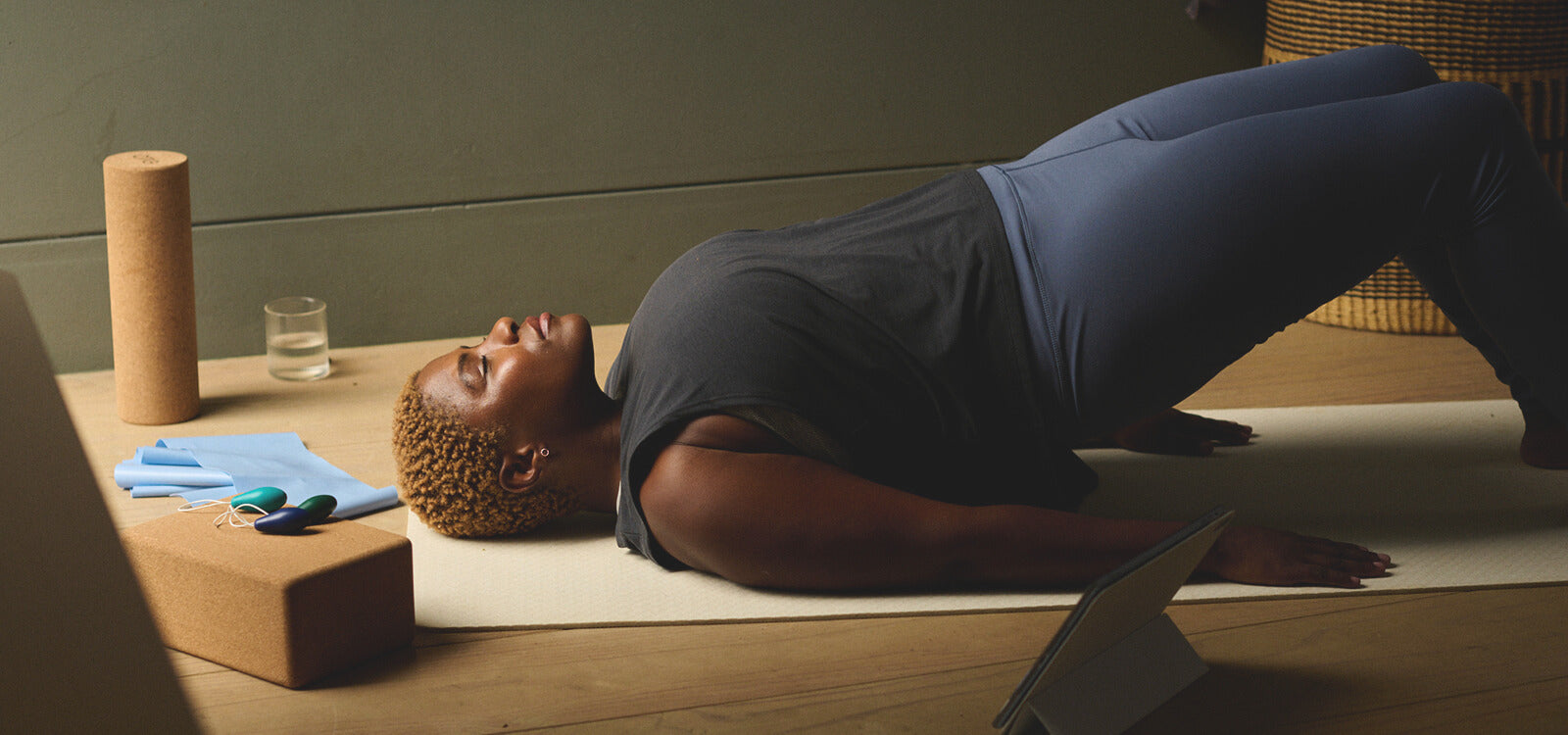
Pelvic Floor Exercises
Your pelvic floor is a group of muscles at the base of your pelvis. They support your bladder and help control when you pee.12
When these muscles weaken, leaks and sudden urges could follow.12
Pelvic floor exercises, AKA Kegels, can help.12 They gently strengthen these muscles over time, helping with both leaks and urgency.12
They are simple exercises anyone could try.12 The great part is that they don't need any equipment and you could do them at home or on the go.
Doing them correctly matters, though.12 Ask your doctor to help you build a plan that fits you.
Stay Active and Maintain a Healthy Weight
Extra weight could put pressure on your bladder, leading to leaks.13 Maintaining a healthy weight could ease that pressure.13
If you're worried about intense workouts, try gentle movement, like a short walk, could help with weight loss without straining your bladder.14
Quitting smoking could help too.13 Heavy smokers tend to develop a cough, which puts pressure on the bladder, making leaks harder to control.14
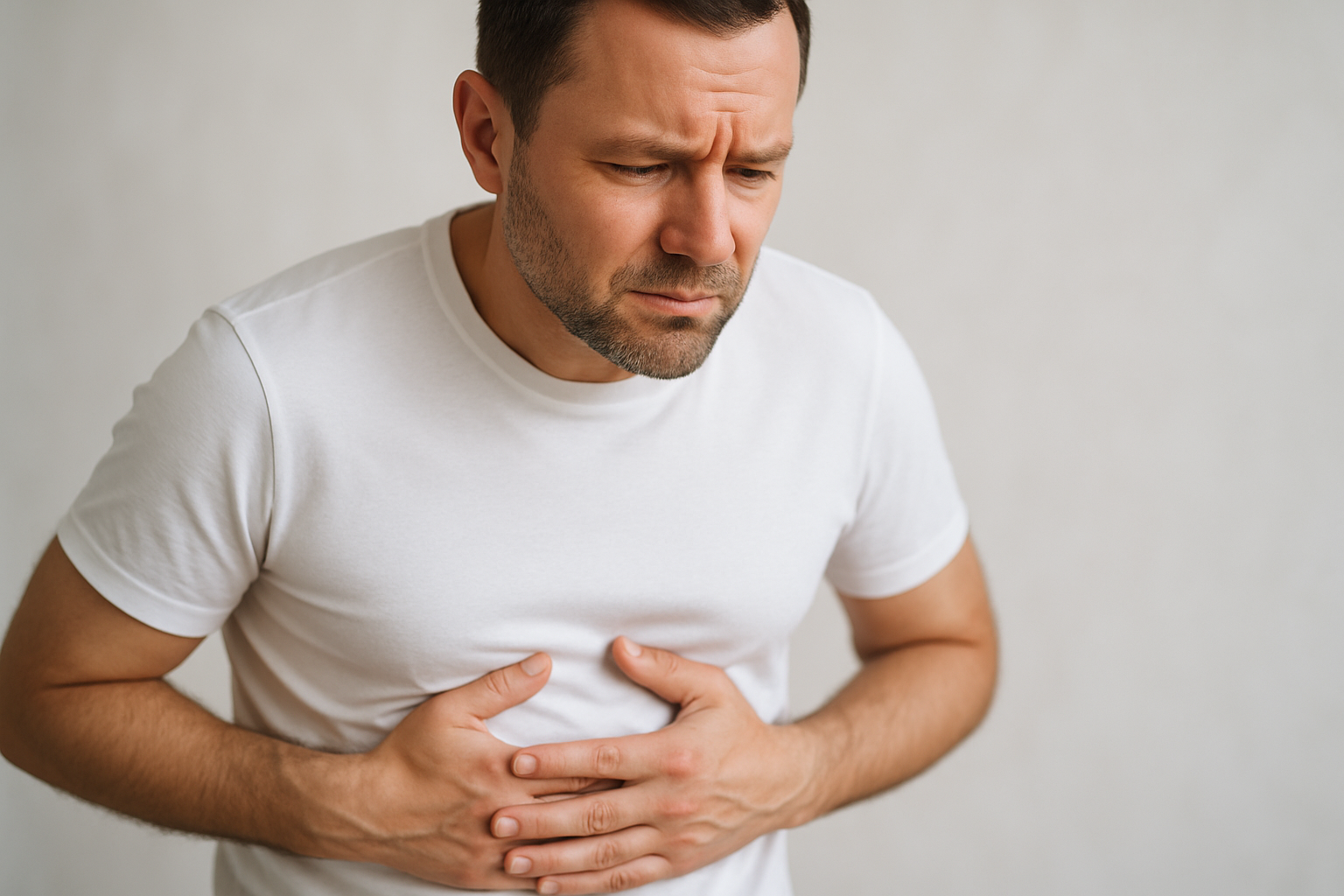
Signs Your Bladder or Kidneys May Need Attention
Now and then, your body sends signals that may be worth paying attention to.
Keep an eye out for:
- Blood in your urine15
- Very dark-colored urine3
- Pain when urinating15
- Pee that looks cloudy or smells unusual15
- Needing the bathroom far more often than normal, especially at night15,16
- Sudden changes in your toileting habits3
- Pain in your lower back or side15
If you notice any of these symptoms, or feel concerned, mention them to your doctor or nurse to rule out a cause.
Managing Bladder Leaks While You Build Healthy Habits
New habits take time. Small changes add up, even when progress feels slow. Be patient with yourself along the way.
While you build these habits, TENA products could offer extra peace of mind. They could help you stay dry and comfortable each day.
You deserve to feel at ease whether you're a man or a woman. And if you're a caregiver, TENA has an option for your loved one too.
FAQs
What Are the Best Things I Can Do Every Day to Keep My Bladder and Kidneys Healthy?
A few simple habits could help:
- Drink enough fluids to keep your pee pale6
- Eat plenty of fruit, vegetables, and fiber8
- Stay active and try not to hold your pee too long10,13
- Limit bladder irritants like caffeine, alcohol, and spicy foods7
Small, steady steps like these may make a real difference over time. If you have a health condition, ask your doctor what's right for you.
How Much Water Should I Drink for Good Kidney and Bladder Health?
There's no one-size-fits-all guide. The right amount depends on your body size, activity, diet, and any health conditions.5
A good tip is to aim for pale, straw-colored pee; if you notice dark yellow, you might need to drink a little more.6
Sipping little and often may feel easier on your bladder than large amounts at once.4
If you have a condition like heart or kidney disease, speak with your doctor about what's right for you.
Is It Bad to Drink Less Water If I'm Worried About Leaking?
Yes. Cutting back on fluids to avoid leaks could actually make things worse.4 When you don't drink enough, your pee gets more concentrated.4 That concentrated pee could irritate your bladder and add to urgency.4
It could also raise your risk of kidney stones and urinary tract infections.17 Instead, you could try to stay hydrated and use the right protection, so you don't have to hold back.
What Foods Are Bad for Your Bladder and Kidneys?
Some foods and drinks could stir up your bladder; they include spicy foods, acidic foods like citrus fruits, caffeine, alcohol, and carbonated drinks.7
You don't have to cut them all out. If you notice certain foods make things worse, try reducing them and see if it helps.7
A diet built on whole foods, plenty of fruit and vegetables, and modest amounts of salt could be helpful for your bladder health.8,9
Can Pelvic Floor Exercises Really Help with Bladder Leaks?
Yes. Pelvic floor exercises, AKA Kegels, may help strengthen the muscles that support your bladder and help reduce leaks over time.12
They could work for both men and women, need no equipment, and you could do them almost anywhere.12
You might need regular practice before you notice a change, but a doctor, physical therapist, or nurse could guide your technique and how often to practice.12
What Are the Signs That Something Might Be Wrong with My Bladder or Kidneys?
A few changes are worth watching for. These include blood in your pee, pain or burning when you go, and pee that looks cloudy or smells unusual.15
Needing the bathroom far more often than normal counts too, especially at night.15,16 Pain in your lower back or side is worth noting as well.15
If you notice these symptoms, mention them to your doctor to rule out a cause.
Does Exercise Help Bladder and Kidney Health?
Yes. Regular activity could support your bladder and kidneys in a few ways. It helps you keep a healthy weight, which eases pressure on your bladder.13
That same healthy weight may also help your blood pressure, which supports your kidneys over time.18
Even gentle activity, like a daily walk, could help. Pelvic floor exercises go a step further.14 They target the muscles that control when you pee.12
Is It Normal to Need to Go to the Bathroom More Often as You Get Older?
Some changes in how often you take a bathroom break are a normal part of aging.
As we get older, the bladder wall may stiffen and hold less pee.3 So it may fill up sooner and need emptying more often.3 This doesn't mean something is wrong; it might be part of aging.3
Still, if your usual pattern shifts suddenly, it's worth a chat with your doctor. The same goes when your urges or bathroom breaks start affecting your daily life or sleep.
Can TENA Products Help While I Work on Improving My Bladder Health?
Yes. TENA offers incontinence products for different absorbency needs. They offer discreet protection, so you can stay hydrated and active while you build healthier habits.
Leaks are common, and they're nothing to feel embarrassed about.1 The right protection means you don't have to put your life on hold.
When Should I See a Doctor About Bladder or Kidney Problems?
Trust your instincts if something feels off. If you notice any of the warning signs, like blood in your pee or sudden changes in how you pee, book a check-up.3,15
It's also worth a visit if leaks or urgency affect your daily life or sleep. Bladder leaks are common, and your doctor can offer real support and options.1
References
1. Tran L, Puckett Y. Urinary Incontinence [Internet]. PubMed. Treasure Island (FL): StatPearls Publishing; 2024. Available from: https://www.ncbi.nlm.nih.gov/books/NBK559095/
2. Urinary system [Internet]. Cleveland Clinic. 2023. Available from: https://my.clevelandclinic.org/health/body/21197-urinary-system
3. Aging changes in the kidneys and bladder: MedlinePlus medical encyclopedia [Internet]. Medlineplus.gov. 2022. Available from: https://medlineplus.gov/ency/article/004010.htm
4. WebMD Editorial Contributors. Urge Incontinence Tips [Internet]. WebMD. 2023. Available from: https://www.webmd.com/urinary-incontinence-oab/oab-tips
5. Mayo Clinic Staff. Water: How much should you drink every day? - Mayo Clinic [Internet]. www.mayoclinic.org. 2026. Available from: https://www.mayoclinic.org/healthy-lifestyle/nutrition-and-healthy-eating/in-depth/water/art-20044256?p=1
6. Wergin A. Water: Essential for your body [Internet]. Mayo Clinic Health System. 2022. Available from: https://www.mayoclinichealthsystem.org/hometown-health/speaking-of-health/water-essential-to-your-body-video
7. Wallace R. 11 Foods to Avoid if You Have Overactive Bladder (OAB) [Internet]. Healthline. 2025. Available from: https://www.healthline.com/health/11-foods-to-avoid-if-you-have-oab
8. Whelan C. How to Create a Diet for Your Overactive Bladder [Internet]. Healthline. Healthline Media; 2025. Available from: https://www.healthline.com/health/overactive-bladder/overactive-bladder-diet#foods-for-bladder-health
9. Irritated Bladder? Pay Attention to What You Eat and Drink [Internet]. Cleveland Clinic. 2023. Available from: https://health.clevelandclinic.org/foods-that-irritate-the-bladder
10. Watson K. How Long Can You Go Without Peeing? [Internet]. Healthline. Healthline Media; 2019. Available from: https://www.healthline.com/health/how-long-can-you-go-without-peeing
11. Bladder training [Internet]. Institute for Quality and Efficiency in Health Care (IQWiG); 2026. Available from: https://www.ncbi.nlm.nih.gov/books/NBK279430/
12. Cleveland Clinic. Kegel Exercises: How to and Benefits [Internet]. Cleveland Clinic. 2023. Available from: https://my.clevelandclinic.org/health/articles/14611-kegel-exercises
13. Mayo Clinic Staff. Bladder control: Lifestyle strategies ease problems [Internet]. Mayo Clinic. 2025. Available from: https://www.mayoclinic.org/diseases-conditions/urinary-incontinence/in-depth/bladder-control-problem/art-20046597
14. Werner, RD C. Potential Exercise Challenges and Tips for Overactive Bladder [Internet]. Healthline. 2026. Available from: https://www.healthline.com/health/exercise-tips-for-overactive-bladder
15. Cleveland Clinic. Urinary tract infections [Internet]. Cleveland Clinic. 2023. Available from: https://my.clevelandclinic.org/health/diseases/9135-urinary-tract-infections
16. Cleveland Clinic. Nocturia [Internet]. Cleveland Clinic. 2023. Available from: https://my.clevelandclinic.org/health/diseases/14510-nocturia
17. Mayo Clinic. Dehydration - Symptoms and causes [Internet]. Mayo Clinic. 2025. Available from: https://www.mayoclinic.org/diseases-conditions/dehydration/symptoms-causes/syc-20354086
18. Goldman L. 8 Tips for Keeping Your Kidneys Healthy [Internet]. Healthline. 2023. Available from: https://www.healthline.com/health/kidney-health