Sep 15, 2026
Living life to the fullest means not missing out on the good stuff. However, when you are living with bladder weakness, there are certain types of drinks and foods that could irritate your bladder and increase the risk of urinary leakage, for example, coffee, alcohol and acidic foods such as citrus fruit.
We’re not suggesting that you should totally stop hanging out by the coffee machine or joining your friends at the bar, but it may be beneficial to be conscious about the effects these treats have on your bladder.
Eat Smart for Bladder Health
Certain foods and drinks on your grocery list could irritate your bladder, leading to those unexpected leaks.1 While limiting some of your favorites could feel disappointing, there are still plenty of options you could add to your diet for bladder health. Here is a simple guide to get you started:
Try cutting back on:1
- Alcohol: liquor, wine, and beer
- Caffeine: coffee and tea
- Chocolate
- Spicy meals
- Acidic foods and drinks: citrus or tomato-based dishes
- Fizzy or carbonated drinks
Adding more of the below foods could help support your bladder and even prevent constipation, which could worsen leaks:1
- High-fiber foods such as whole grains, lentils, oats and bran
- Vegetables including asparagus, broccoli and celery
- Fruits like bananas, apples, grapes and strawberries
- Lean proteins including eggs, chicken, and tofu
Small changes like this could make everyday routines and social moments feel easier and more comfortable. If you’re managing other health conditions, it’s always best to check with your doctor before making any big diet changes.
Stay Hydrated; But Wisely
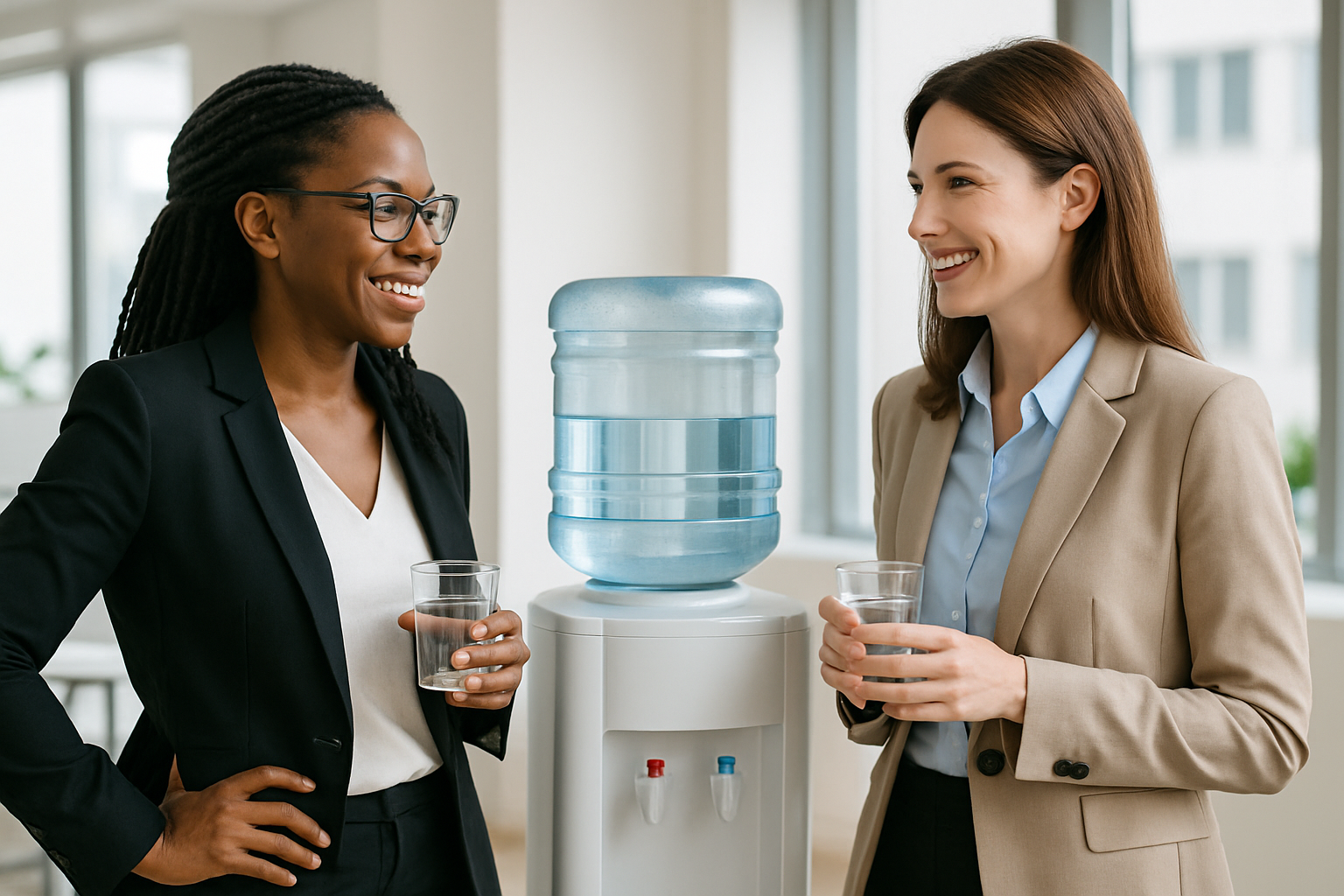
When you drink too little water, your bladder can become irritated due to dehydration.1 While it’s important to stay hydrated, drinking too much could also lead to more bathroom visits.1
The key is finding a balance; sipping water throughout the day could help you stay hydrated while aiming for about six glasses daily. Also to help reduce nighttime leaks, try limiting fluids a few hours before bed.1
Keep Moving: Exercise and Bladder Strength
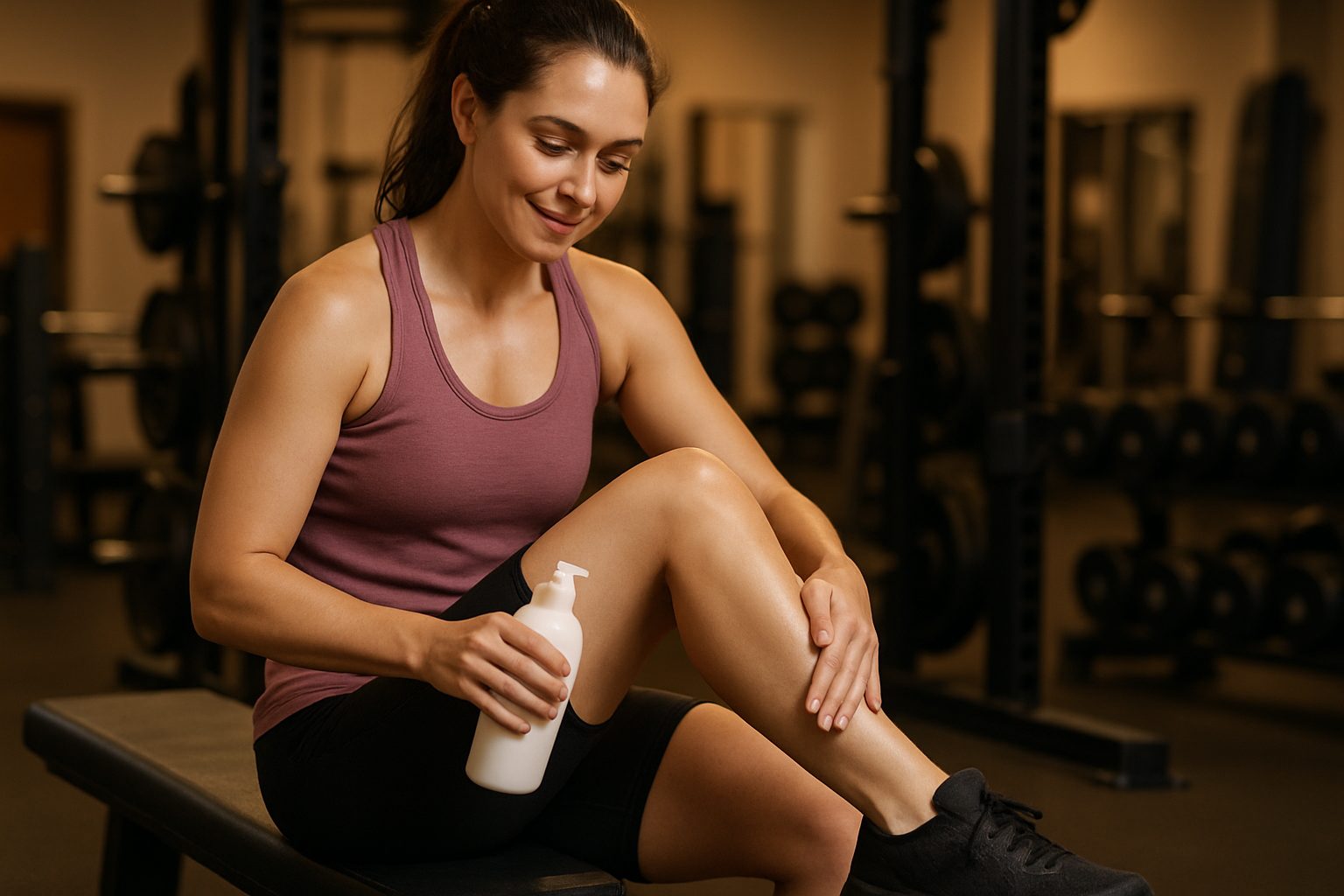
Regular exercise could help your overall health and ease the strain being overweight puts on your bladder.2 When you add pelvic floor exercises like Kegels to your daily movements, you can get in shape while strengthening your pelvic floor muscles.3
While creating a daily bladder control routine, try to avoid high-impact exercises like those involving jumping.4 These movements could strain your pelvic floor muscles, leading to leaks.4 Instead, opt for low-impact exercises like walking, swimming, pilates, and yoga.4
It’s okay if it doesn’t come easily. Each time you show up, you make a step toward fewer leaks.
Curious about more exercises for pelvic floor health? Here are some pelvic floor exercises to get you started.
Manage Stress and Emotional Wellbeing
While stress and anxiety could be frustrating, they also affect how your brain communicates with your bladder.5 That’s why you might notice more leaks or urgency during high-tension moments.5
Practicing mindfulness could help you feel calmer and experience fewer leaks.6 Here are some mindful exercises to add to your self-care routine and make living with incontinence feel easier:
- Walking meditation7
- Mindful breathing7
- Body scanning7
- Gentle stretching7
- Mindful journaling8
And if you ever need extra support, don’t hesitate to reach out to loved ones or a professional.
Sleep and Rest Matter Too
Sleep has many benefits, from balancing hormones to helping your muscles recover after exercise.9 Yet nighttime leaks could make getting the restful night you deserve harder.
Not to worry; here are a few bedtime tips you could try tonight:
- Limit your fluid intake from 5 or 6 pm daily.10
- Avoid bladder irritants like caffeine, alcohol, or acidic foods a few hours before bedtime.10
- Try "double voiding" before bed, meaning you should pee twice before bed. 10
- Use nighttime absorbent products to help you stay dry and comfortable. TENA has a selection of nighttime products made for men and women
- Create a calm bedtime routine to help you ease tension before going to sleep.
Everyday Habits for Confidence
Here are some everyday lifestyle tips for bladder leaks to help you stay confident and comfortable:
- Plan your bathroom breaks.
- Wear breathable, easy-to-remove clothing.
- Use incontinence products for men and women made for your body for added protection.
- Stay hydrated throughout the day.
- Move your body for at least 30 minutes daily.
- Practice mindfulness to manage stress and anxiety.
Building a consistent daily routine for your physical and emotional well-being is possible; it all starts with small, steady steps each day.
Going through menopause? Our article on incontinence during menopause is here to help you find comfort and confidence again.
When to Seek Professional Support
When bladder leaks keep happening, it’s okay to feel frustrated.11 But, talking to your doctor could help you find what’s really going on.11
Incontinence is manageable, and with the right support, you could get back to feeling confident and in control.11
Small Steps, Big Impact
Having leaks doesn’t mean you have to give up on a healthy lifestyle. It just means making small changes to your routine, so you stay confident and comfortable.
Adapting may not happen overnight, but regular small steps, or even trying one change at a time, could make all the difference.
It’s okay to feel overwhelmed, but with care, confidence, support from TENA and your doctor, you can feel in control every day.
FAQs
Can a Healthy Diet Help Reduce Bladder Leaks?
Yes, but not just any healthy diet, but a bladder-friendly one. A bladder-friendly diet focuses on foods and drinks that do not irritate your bladder.1
To get started, you could keep track of what triggers leaks with a food journal and even speak to a dietitian to help you create a plan that works for you.1
How Much Water Should I Drink If I Have Incontinence?
Try to drink enough to stay hydrated and prevent bladder irritation.1 While you sip water gradually throughout the day, a good way to check if you’re hydrated is by checking your pee colour:12
- Clear: You’re drinking too much.
- Light yellow: You’re hydrated.
- Dark orange: You need to drink more water.
What Type of Exercise is Good for Bladder Health?
When picking out your exercise for bladder weakness, it’s a good idea to stick with low-impact ones.4 These movements put less strain on your pelvic floor muscles while keeping you in shape.4
Try walking, yoga, swimming, or Pilates instead of jumping jacks, for example; they’re gentler on your pelvic floor.
References
1. Whelan C. How to Create a Diet for Your Overactive Bladder [Internet]. Healthline. Healthline Media; 2017 [cited 2025 Oct 10]. Available from: https://www.healthline.com/health/overactive-bladder/overactive-bladder-diet#foods-for-bladder-health
2. Whelan C. Is There a Link Between Obesity and Overactive Bladder? [Internet]. Healthline. 2023. Available from: https://www.healthline.com/health/overactive-bladder/obesity-and-overactive-bladder
3. Bø K, Haakstad LAH, Paulsen G, Rustaden AM. Does regular strength training cause urinary incontinence in overweight inactive women? A randomized controlled trial. International Urogynecology Journal. 2021 Mar 15;32(10):2827–34.
4. Kegel Exercises | NIDDK [Internet]. National Institute of Diabetes and Digestive and Kidney Diseases. Available from: https://www.niddk.nih.gov/health-information/urologic-diseases/kegel-exercises
5. Byram Healthcare [Internet]. Byram Healthcare. 2025. Available from: https://www.byramhealthcare.com/blogs/how-stress-and-anxiety-affect-bladder-control
6. Weil D. Mindfulness May Help Prevent Incontinence | Dr. Weil [Internet]. DrWeil.com. 2025 [cited 2025 Oct 9]. Available from: https://www.drweil.com/blog/bulletins/mindfulness-may-help-prevent-incontinence/
7. Jones H. Mindfulness Exercises to Start Practicing Today [Internet]. Verywell Health. 2025. Available from: https://www.verywellhealth.com/mindfulness-exercises-5204406
8. Nortje A. Journaling for Mindfulness: 44 Prompts, Examples and Exercises [Internet]. PositivePsychology.com. 2020. Available from: https://positivepsychology.com/journaling-for-mindfulness/
9. Dattilo M, Antunes HKM, Medeiros A, Mônico Neto M, Souza HS, Tufik S, et al. Sleep and muscle recovery: Endocrinological and molecular basis for a new and promising hypothesis. Medical Hypotheses [Internet]. 2011 Aug;77(2):220–2. Available from: https://www.sciencedirect.com/science/article/pii/S0306987711001800
10. Shaw G. Putting an Overactive Bladder to Bed [Internet]. WebMD. 2009. Available from: https://www.webmd.com/urinary-incontinence-oab/features/putting-an-overactive-bladder-to-bed
11. Urinary incontinence: Common and manageable - Harvard Health [Internet]. Harvard Health. 2017. Available from: https://www.health.harvard.edu/blog/urinary-incontinence-common-and-manageable-2017101812583
12. Watson K. Is Blue Urine Normal? Urine Colors Explained [Internet]. Healthline. Healthline Media; 2018. Available from: https://www.healthline.com/health/urine-color-chart