Nov 02, 2026
Can you do cardio with bladder leaks? While you may experience some bladder leaks while doing high-impact activities like running, you may want to explore low-impact cardio when you're managing incontinence.
These activities might be your own or your loved one's ticket back to an active lifestyle.
Let’s explore safe exercises you can do with bladder leaks. We will also walk you through how you can support your loved one as they work out.
Why Low-Impact Movement Matters for Bladder Leaks
When you notice bladder leaks while you're exercising, it's only natural to want to dial things back a bit.
But you might have just been trying high-impact exercises. They put extra pressure on your pelvic floor, making leaks more prevalent.1 Staying active is still possible; but gentle exercises could make bladder control easier.1
Walking: The Simplest Low-Impact Cardio Option
Let’s start with something you probably already did today: walking.
Walking for exercise while living with bladder leaks is possible.1 You don’t need any equipment, just your playlist and a pair of shoes.
You could start with a shorter distance, like a daily walk around your yard. When you feel more confident, try steeper and longer distances, like a trip around the block or neighborhood.
Chair-Based Exercises for Beginners or Limited Mobility
Chair-based exercises like seated jacks can still get your heart rate up a bit, and they're another solid choice. They give you the benefit of jumping jacks without the extra load on your pelvic floor.2
Seated jacks may be helpful if your movements are limited, or you need a beginner's workout. So, pick a chair, but not one with wheels. A stable chair that won't shift during reps is better.
Swimming and Water-Based Workouts
Swimming and other water-based activities like water aerobics are ways to stay in shape with less pressure on your pelvic floor.1 It’s okay to feel a bit self-conscious when swimming with incontinence at first. There are swim-specific protective options and swimwear for every body type to help you feel confident.
Cycling for Low-Impact Cardio
Cycling, whether indoors or outdoors, is another low-impact cardio option.1
But with cycling, you might want to consider your saddle choice and posture.3 A saddle higher than your handlebars could affect your posture, making leaks more likely.3
When starting out, start small; you don’t need to rush. Once you are confident, try gradually increasing your distance.
Pilates and Gentle Strength Training
These mild exercises are great for staying fit and uplifting your mood, while supporting pelvic health.4
They could help strengthen your core and pelvic floor muscles without those explosive movements.4
Our guide on Pilates has everything you need to know before your first beginner-friendly class, whether on YouTube or at your local studio.
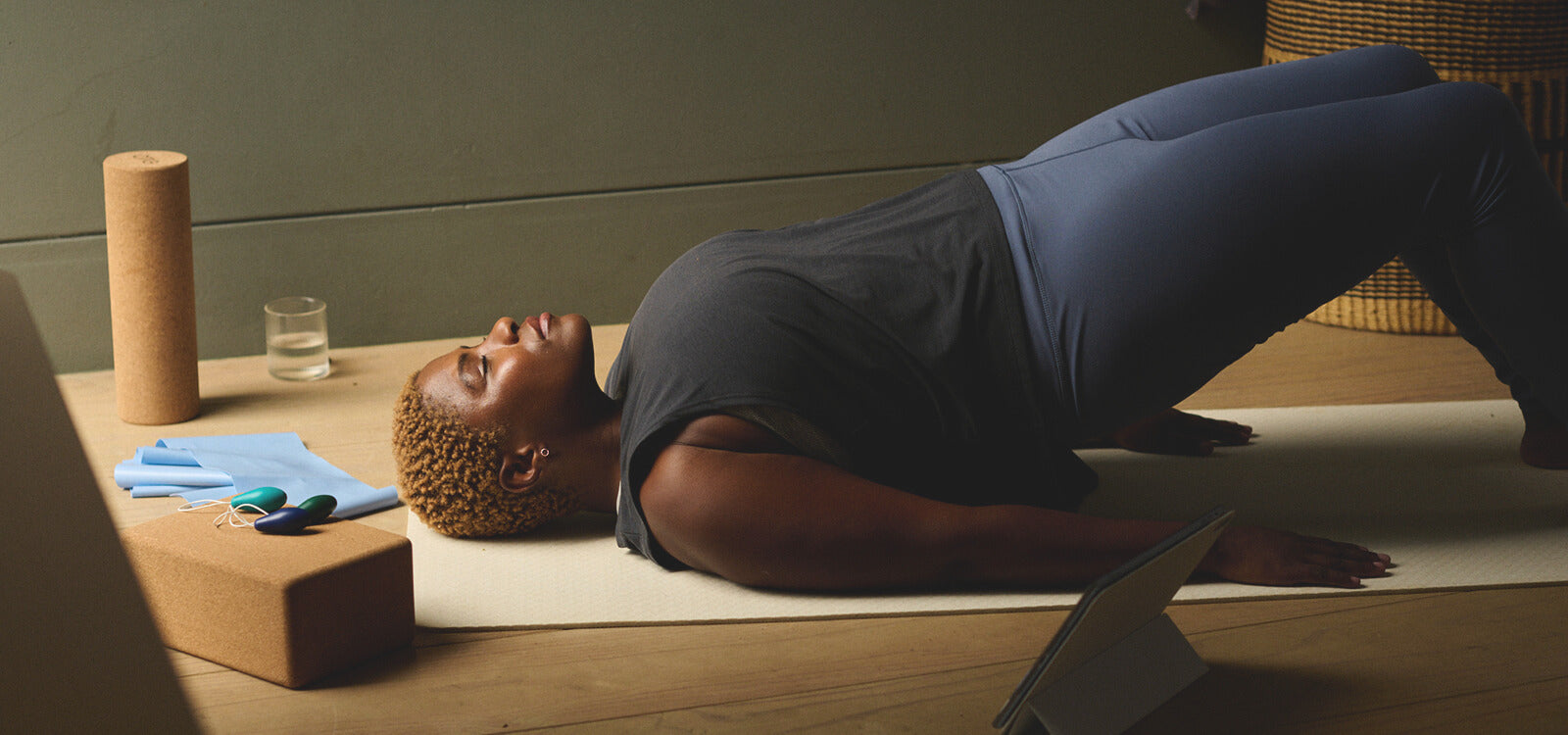
Yoga for Bladder Control
Adding yoga to your workout plan could help with bladder leaks by strengthening your pelvic floor.5
Certain practices, like mula bandha, combine awareness, breathing, and light strengthening to help build pelvic floor strength.5
A yoga instructor could help you explore different practices and modify them for your level.
Combining Cardio with Pelvic Floor Exercises
You could add pelvic floor exercises to your schedule while you keep moving. Regularly doing Kegels could strengthen your pelvic floor muscles, helping with leaks.6
But we recommend letting your doctor know before you start doing Kegels. These exercises aren't for everyone; they could make an already tight pelvic floor even more tense.6
Exercises to Approach with More Caution
A weak pelvic floor might make it harder to tolerate intense, high-impact exercises.1
Exercises like jumping, running, or heavy lifting tend to put extra strain on the pelvic floor.1 That’s probably why you've been noticing more urgent bathroom visits or leaks during those.1
If you absolutely need to do these exercises while living with incontinence, speak to your doctor or a pelvic floor physical therapist.
They could guide you on shorter sessions or lower intensity.1 It just might help you keep sports you love on the roster.1
Staying Comfortable and Confident During Your Workout
Certain workout tips could help you feel more confident while you exercise:
- Use the bathroom before your routine. It could help with leaks.7
- Avoid bladder irritants like coffee or alcohol before working out.1 They might make urgency more noticeable.1
- Stay hydrated, but don’t drink too much or too little.1 Either extreme could make you run to the bathroom more.1
- Wear incontinence products. TENA has a range for men, women, and caregivers to help keep you (or your loved one) dry and confident while staying active.
Supporting a Partner or Loved One Getting Active Again
You've probably noticed your loved one has been nervous for a few days now. Maybe they put on their running shoes, and the next minute, they are back in the house taking them off.
Here are a few ways you can help. Ask them to join you for a walk. You could tell them you want to check out a new restaurant nearby and want their opinion.
Also, it might help to normalize incontinence. If accidents happen while they are working out, treat it like a low day at the gym.
Want more tips? Our article on managing incontinence while exercising has plenty to help your loved ones get active again.
You Can Still Stay Active While Managing Incontinence
Exercising with bladder leaks could make anyone nervous, but you don’t have to feel that way. You could choose from everyday movements like walking to more engaging ones like biking.1
For your pelvic floor health, try adding Kegels to your routine.6 These exercises could help you strengthen your pelvic floor.6
But we recommend seeing your doctor first before starting pelvic floor exercises. They could confirm whether your pelvic floor needs strengthening, and answer questions about continuing high-impact exercises.
Whether you continue or switch to gentler options, a few things could make working out more comfortable.
For example, using TENA’s incontinence products can help you stay confident while exercising. If you’re a caregiver, it could be as simple as taking a walk with your loved one.
So, pick your workout today; you don’t have to compromise.
FAQs
What Is the Best Low-Impact Cardio Option for Someone with Urinary Incontinence?
There is not one single best option. Your workout routine depends on your personal preference and current fitness level.
Walking, swimming, cycling, and chair-based exercises are all options you could try because they place less sudden pressure on the pelvic floor.1
Trying a few different options could help you find what feels most comfortable.
Is Walking Enough Exercise If I Have Bladder Leaks?
Walking has its own benefits for your heart health, especially when you increase your pace and duration gradually.8
If you're worried about bladder leaks, you could add pelvic floor exercises to your daily walks for extra support.
And, if you want more variety, cycling, swimming,1 or chair-based routines are worthy low-impact options.2
Can I Still Do Pilates or Yoga If I Have Incontinence?
Yes. Both are low-impact exercises, and you can modify them for your fitness level.4,5
When starting out, look for a beginner-friendly class or an instructor that’s comfortable adjusting poses.
Also, check with your doctor first if you are recovering from a recent procedure or childbirth.
What Chair Exercises Help with Bladder Control?
Simple seated movements like seated jacks could help you stay active without the extra pressure on your pelvic floor.2 All you need for this exercise is a stable chair.
You might find them especially useful if you’re a beginner or have limited mobility.
Should I Avoid Running or Jumping If I Have Bladder Leaks?
If it’s something you genuinely enjoy doing, speak to your doctor. They might be able to safely reduce the intensity and duration of your workouts. Also, wearing incontinence products while exercising will help catch any leaks.
Are Kegel Exercises the Same as Low-Impact Cardio?
No. Kegel exercises target your pelvic floor muscles.6 Low-impact cardio, on the other hand, like walking or cycling, raises your heartbeat and respiration levels.1
If you have bladder leaks, adding pelvic floor exercises to your routine could help strengthen your pelvic floor.6
What Should I Wear or Use to Feel Protected During a Workout?
You might find workout-friendly incontinence underwear or pads comfortable while you exercise.
Choosing a product designed to move with the body, rather than a bulkier option, could make a noticeable difference.
It can help to try a couple of styles to see what feels most secure for your activity level.
Can Swimming Make Bladder Leaks Worse?
Swimming could be a gentle exercise for your pelvic floor.1 While working out, it could help to wear swimming-specific protection designed for water activities. But, if you notice leaks are worse in the pool, speak with your doctor.
How Soon Will I Notice a Difference from Low-Impact Exercise?
Everyone is different, but changing your exercise routine could make leaks feel more manageable over time.1 If your leaks increase or remain the same, let your doctor know. They are trained to help you feel better.
When Should I See a Doctor About Leaks During Exercise?
If your leaks are frequent, getting worse, or affecting your day-to-day life, you should talk to your doctor.6
They can help identify the type of incontinence you are experiencing and recommend your next steps.
At your doctor's office, it may help to share your workout plan. They can review it and tailor your routine to your incontinence needs.
References
1. Werner C. Potential exercise challenges and tips for overactive bladder [Internet]. Healthline. Healthline Media; 2026 [cited 2026 Aug 20]. Available from: https://www.healthline.com/health/exercise-tips-for-overactive-bladder
2. WebMD Editorial Contributors. Best chair exercises for seniors [Internet]. WebMD. 2025 [cited 2026 Aug 20]. Available from: https://www.webmd.com/fitness-exercise/best-chair-exercises-for-seniors
3. Saulicz M, Saulicz A, Saulicz E. Self-assessment of lower urinary tract condition in female competitive cyclists. Healthcare [Internet]. 2024 June 7 [cited 2026 Aug 21];12(12):1163. Available from: https://pmc.ncbi.nlm.nih.gov/articles/PMC11202815/
4. Menzies R. 15 Pilates exercises to strengthen your core [Internet]. Healthline. 2021 [cited 2026 Aug 21]. Available from: https://www.healthline.com/health/fitness/pilates-exercises
5. Sullivan C. How to work your pelvic floor with Mula Bandha [Internet]. Healthline. Healthline Media; 2020 [cited 2026 Aug 21]. Available from: https://www.healthline.com/health/overactive-bladder/pelvic-floor-with-mula-bandha
6. Cleveland Clinic. Kegel exercises: How to and benefits [Internet]. Cleveland Clinic. 2023 [cited 2026 Aug 21]. Available from: https://my.clevelandclinic.org/health/articles/14611-kegel-exercises
7. Cleveland Clinic. Urinary Incontinence | Cleveland Clinic: Health Library [Internet]. Cleveland Clinic. 2025 [cited 2026 Aug 21]. Available from: https://my.clevelandclinic.org/health/diseases/17596-urinary-incontinence
8. Cleveland Clinic. Sole searching: Learn about the health benefits of walking [Internet]. Cleveland Clinic. 2023 [cited 2026 Aug 21]. Available from: https://health.clevelandclinic.org/benefits-of-walking