Jun 30, 2026
How to Live Confidently with Incontinence
Let’s be real; dealing with incontinence can be frustrating and it’s something many people experience at some point in life. Everyday activities like sneezing or laughing can be frustrating as they could lead to leaks and dribbles.
But just because it’s common doesn’t mean it has to control your life. With the right mindset, a few lifestyle adjustments, and the right products, you can manage incontinence with confidence and get back to doing the things you love.
In this guide, we’ll explore practical tips and solutions that can help you feel comfortable and in control; because incontinence doesn’t define you, and you deserve to feel your best.
Understanding Why Leaks Happen
Leaks could happen to anyone for different reasons, but they often depend on the type of incontinence.1 With stress incontinence, for example, you might notice small leaks when there’s added pressure on your bladder.1 With urge incontinence, on the other hand, leaks often follow a sudden, strong need to pee and leaks happen before you could get there.1
Lifestyle Changes and Practical Tips to Manage Urinary Incontinence
It’s important to remember that incontinence can be managed.2 A few small changes to your daily routine and lifestyle can make a significant difference when it comes to managing incontinence.
From strengthening your pelvic floor to making smart choices about what you eat and drink, these simple tweaks can help you feel more in control.2
Do Daily Pelvic Floor Exercises
Exercises like Kegels are a simple way to strengthen your pelvic floor muscles, especially if you’re consistent.
Here are a few tips to help you get started:
- Locate your pelvic floor muscles. One way to find them (but not to do regularly) is by trying to stop your pee midstream.²
- Squeeze and hold these muscles for a few seconds, then relax.²
- Start with 10 reps twice a day and increase gradually as you get stronger.²
Cut Down on Caffeine
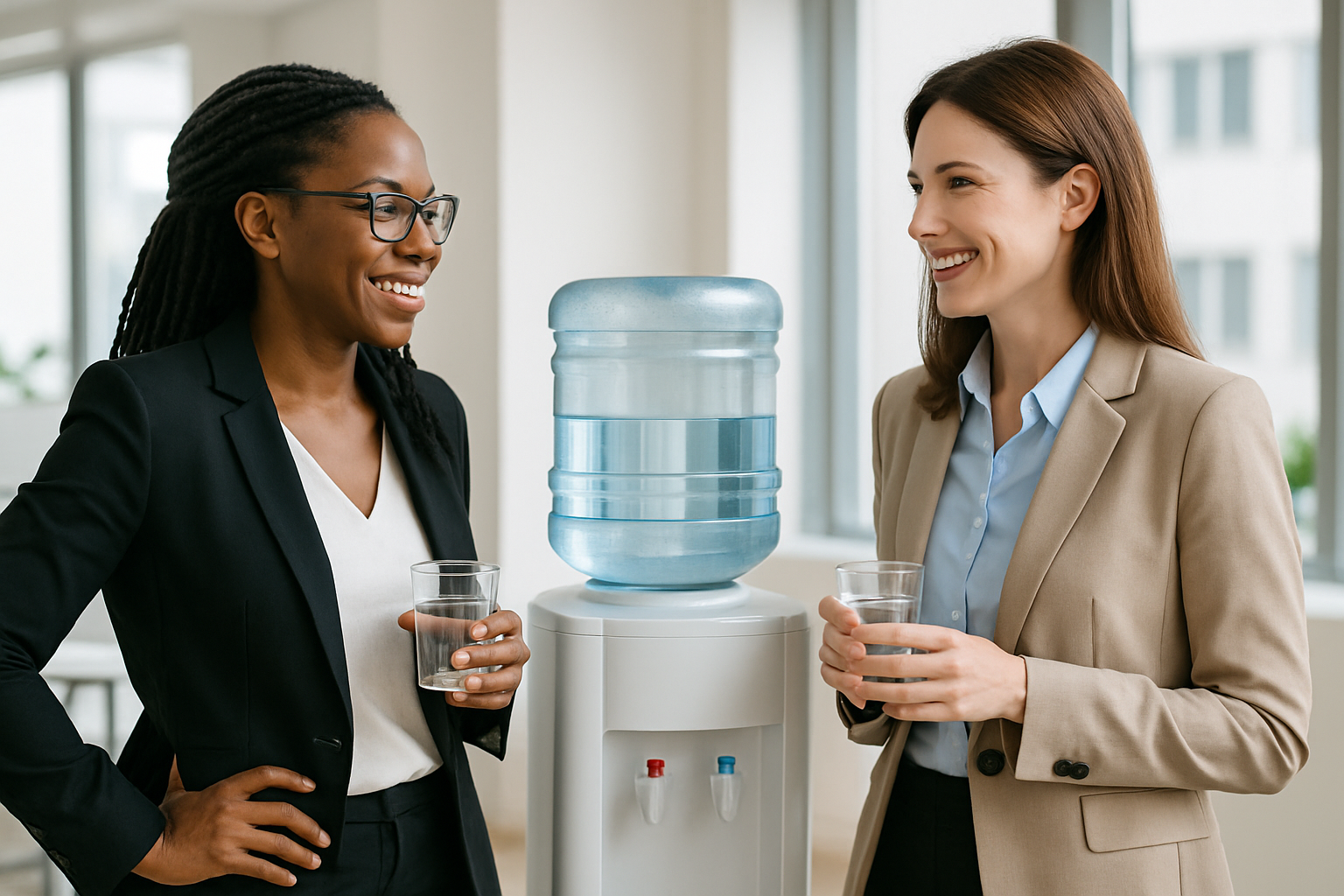
Love your morning coffee? You’re not alone! But caffeine is a diuretic; it makes you pee more, which could make leaks worse.2 Cutting back, or even just switching to half-caf, decaf or herbal tea could help reduce your urge to go.2 If you’re not ready to ditch it completely, try drinking extra water to balance it out.
Cut Down on Alcohol
Alcohol, like coffee, could make you need to pee more.2 If you enjoy a drink, try alternating with water or exploring non-alcoholic alternatives so you can still have fun without the bladder worries.
Eat the Right Foods
What you eat matters! Some foods support bladder health, while others can trigger irritation. Here’s a quick guide:
- Good for you: Fiber-rich veggies, lean proteins, and plenty of vegetables and fruits.2,3
- May cause trouble: Chocolate, alcohol, bubbly beverages (like fizzy drinks), and too much caffeine.4
Want more tips on bladder-friendly eating and drinking? Check out this guide.
Situations that Commonly Trigger Leaks
If you experience bladder leaks, some situations could make them feel more likely. It’s normal to feel embarrassed or frustrated; but the good thing is that small adjustments can help you feel more in control.
- Laughing, coughing, or sneezing: These everyday moments add extra pressure on your bladder, which could cause leaks if your pelvic floor muscles are weak.1 Regular pelvic floor exercises could help reduce your chances of leaks.1
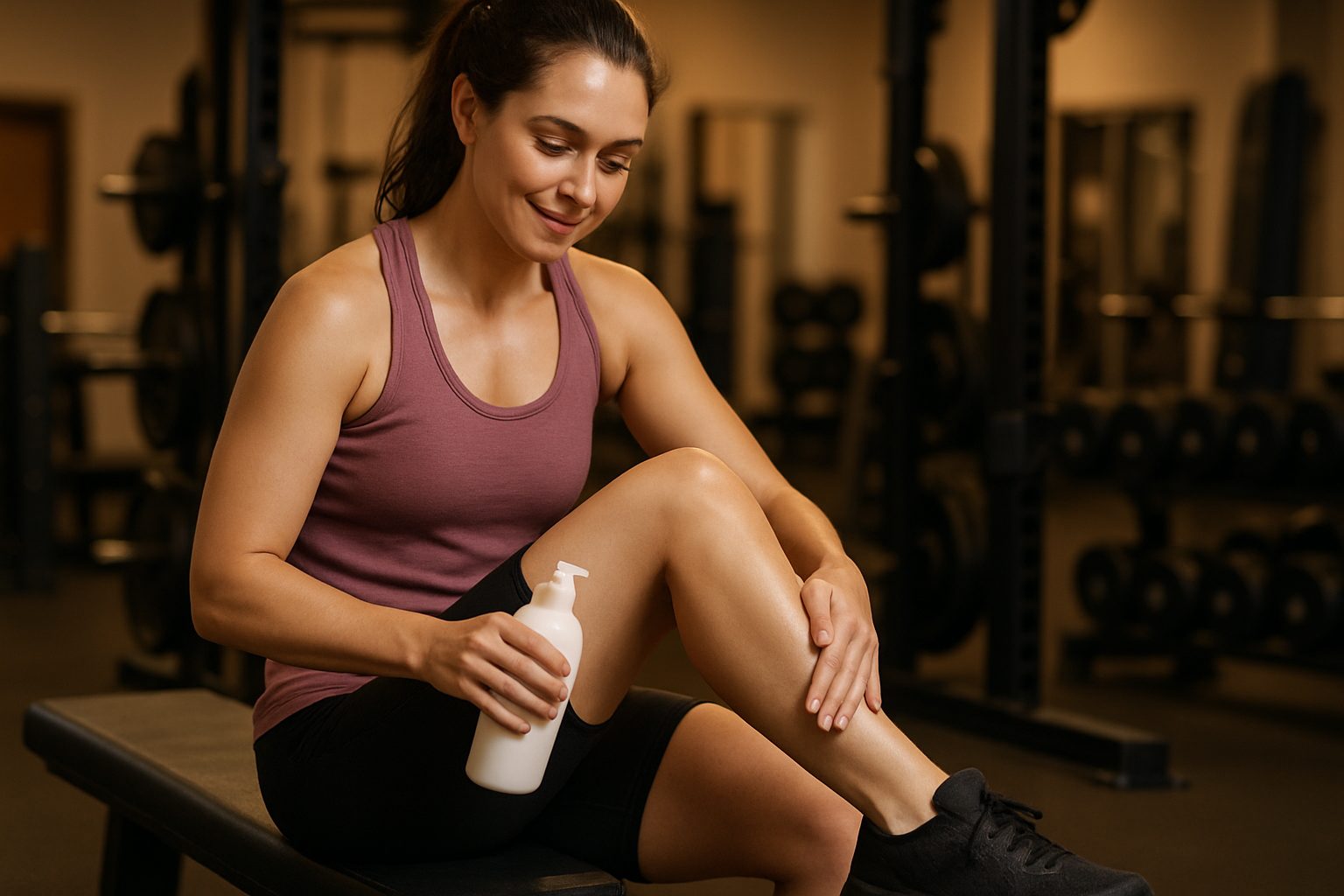
- Exercising and sports: High-impact workouts, like jumping or running, also add pressure to your bladder.5 Try low-impact activities like walking so you can stay fit without leakage worries.5
- Lifting heavy objects: Even lifting weights or doing heavy chores could strain your bladder.5 Try doing a gentle Kegel squeeze before lifting to protect your pelvic floor.6
- Sexual intimacy: If you have stress or urge incontinence, you might notice leaks during sex; either from added pressure or increased bladder muscle activity.7 Try peeing before sex and experimenting with different positions to feel more comfortable and confident.7
Making a few simple changes can go a long way in helping you feel more confident and in control. Incontinence doesn’t have to hold you back.
Life Occasions with Higher Risk
Some life changes could increase your risk for incontinence. The good news is that they’re all manageable.
Pregnancy
This is one of the most common stress incontinence causes.8 Bladder leaks could happen because of hormonal changes and the added weight of the baby, which could put extra pressure on the muscles that support your bladder.8 Pregnancy could be demanding; especially when leaks enter the picture. Our article on incontinence during pregnancy offers tips to help you feel more in control.
Menopause
Hormonal shifts, especially a drop in estrogen, could affect your bladder lining and pelvic muscles, leading to leaks.9 Menopause brings many changes, but learning about the side effects of menopause could help you feel ready and reassured.
Aging
The risk of incontinence increases with age as the bladder and pelvic floor muscles naturally weaken, but with the right habits, bladder control could still improve.9
Managing Incontinence in Social Situations
Worried about attending events, parties, or traveling because of incontinence? You don’t have to let it hold you back. A little planning could make all the difference.
- Pack smart: Keep discreet, reliable incontinence protection in your bag for extra peace of mind.2
- Know your options and stick to a schedule: Scope out bathrooms ahead of time, so you’re not caught off guard. You could also practice timed voiding, where you go to the bathroom on a set schedule.2
- Dress comfortably: Dark, loose-fitting clothing may help you feel at ease.
- Mindset shift: Remember, you’re in control; most people are too busy enjoying themselves to notice anything else!
With the right prep and mindset, you could enjoy that wedding, party, or trip without stress.
Break the Silence: Talking About Incontinence
Incontinence is nothing to be ashamed of, but let’s be honest; it’s not always easy to talk about. Still, opening up to your doctor, partner, or loved ones can help you feel supported and find better ways to manage it.
- Talking to your doctor: A simple “I’ve noticed some bladder leaks lately; what can I do about it?” is a good start. It’s also helpful to let your doctor know when your leaks occur.
- Chatting with your partner: Be honest about how it affects you and what support you need.
- Opening up to family or friends: You don’t have to share every detail but letting them know can help to ease any anxiety around social plans.
The more we talk about incontinence, the less stigma there is. Remember, many people deal with occasional leaks,4 and support is out there!
Choosing the Right Products: Discreet and Comfortable Solutions
When it comes to managing incontinence, finding the right products can make all the difference in your comfort and confidence levels. There’s a wide range of options out there, from pads and liners to full protective underwear. The key is to pick one that fits your specific needs; whether you’re dealing with light leaks or need something offering more protection throughout the day.
Need help finding the right product for you? Take our quiz to discover the perfect fit for your lifestyle and protection needs.
Why Use Incontinence Products?
Incontinence products aren't just about stopping leaks; they can help you feel more comfortable and confident in your daily routine. Here’s what they offer:
- Comfort: The right product ensures you’re not dealing with irritation or discomfort, letting you go about your day without a second thought.
- Confidence: With the right protection, you won’t have to worry about leaks or odors, so you can be your best self, no matter what you’re doing.
- Mobility: Incontinence Pads work well for light leaks or during exercise, while absorbent underwear offers extra reassurance for long days, travel, or social events.
Worried about discretion? Many products are designed to be discreet, so you can feel secure without anyone noticing. If you’re looking for a great option, the TENA Women's Light Incontinence Pad is a popular choice. Explore more products for women and men.
With the right support, practical lifestyle changes, and a little patience, there’s plenty of hope for managing incontinence and improving your quality of life. You’ve got the tools to take control and feel more confident every day.
FAQs
How Do You Cope While Learning to Accept Incontinence?
Be kind to yourself during this adjustment period. Practicing self-compassion can really help shift your mindset. It’s important to remember that seeking support from your healthcare provider or joining a support group can make a huge diference. Talking to others who understand can help you feel less isolated and more empowered.
Where Can I Get Help with Incontinence?
If you’re feeling unsure about how to manage incontinence, it’s always a good idea to reach out to a healthcare professional.4 Urologists, gynecologists, and pelvic health specialists are all experts in this area and can offer personalized advice and treatment.
You can also find a lot of helpful online resources, like pelvic floor exercise guides, as well as online communities for support and advice from people going through the same thing.
What Worsens Incontinence?
Certain habits or medical conditions can make incontinence worse. Things like too much caffeine or alcohol, not staying hydrated enough, or being overweight can increase the frequency of leaks.4
Additionally, conditions like diabetes, pregnancy, or pelvic organ prolapse may also contribute to symptoms.4 The good news is that with a few changes, like cutting back on caffeine or working with your healthcare provider, you can reduce these triggers and better manage your symptoms.
Does Incontinence Ever Go Away?
Incontinence is different for everyone, so how it’s managed depends on the cause and severity and duration.2 For some, treatment options like pelvic floor exercises, medications, or even surgery can make a significant difference, helping to reduce or even eliminate symptoms.2
References
1. WebMD Editorial Contributor. Types of Urinary Incontinence [Internet]. WebMD. 2024. Available from: https://www.webmd.com/urinary-incontinence-oab/types-of-urinary-incontinence
2. Cleveland Clinic. ‘Urinary Incontinence’. 2023. Available from: https://my.clevelandclinic.org/health/diseases/17596-urinary-incontinence#management-and-treatment
3. MayoClinic. ‘Bladder control: Lifestyle strategies ease problems’. 2023. Available from: https://www.mayoclinic.org/diseases-conditions/urinary-incontinence/in-depth/bladder-control-problem/art-20046597
4. MayoClinic. ‘Urinary Incontinence’. 2023. Available from: https://www.mayoclinic.org/diseases-conditions/urinary-incontinence/symptoms-causes/syc-20352808
5. Bø K, Haakstad LAH, Paulsen G, Rustaden AM. Does regular strength training cause urinary incontinence in overweight inactive women? A randomized controlled trial. International Urogynecology Journal. 2021 Mar 15;32(10):2827–34.
6. Solutions for a Leaky Bladder [Internet]. www.hopkinsmedicine.org. Available from: https://www.hopkinsmedicine.org/health/conditions-and-diseases/urinary-incontinence/solutions-for-a-leaky-bladder
7. Kupetis H. Ask the Doc: Bladder Leaks & Sex - National Association for Continence [Internet]. National Association for Continence. 2024 [cited 2025 Oct 9]. Available from: https://nafc.org/bhealth-blog/ask-the-doc-bladder-leaks-sex/
8. Sangsawang B, Sangsawang N. Stress urinary incontinence in pregnant women: a review of prevalence, pathophysiology, and treatment. International Urogynecology Journal [Internet]. 2013 Feb 23;24(6):901–12. Available from: https://pmc.ncbi.nlm.nih.gov/articles/PMC3671107/
9. Jenkins S. Risk Factors for Urinary Incontinence - National Association for Continence [Internet]. National Association for Continence. 2023 [cited 2025 Oct 10]. Available from: https://nafc.org/bhealth-blog/risk-factors-for-urinary-incontinence