Nov 16, 2026
Getting motivated for exercise is hard enough on an average day. Staring into the mirror, trying to convince yourself to go to the gym, or gathering the energy to get up a bit earlier to get active. We know the feeling. Now, adding on bladder leaks too? That’s on another level.
It’s understandable; leaks could make anyone second-guess any activity, but there are workouts specifically for women with bladder leaks.
These exercises could be safe and might even help you feel more confident. In this article, we explore how they fit into different life stages. We'll also cover how you can stay dry during workouts and when it's time to see a doctor.
Why Exercise Matters for Bladder Control
Workout leaks are common, but this doesn’t mean that you have to quit the gym because of them.1 Strengthening your pelvic floor with the right strategies could give you the upper hand over time.1
Understanding Your Pelvic Floor and Bladder Leaks
Think of your pelvic floor muscles as a support system. They relax to let you pee and contract to hold it in.2 When your support system is weak, things don’t work as well; that’s why leaks happen.2
Your pelvic floor could get weak from life stages like pregnancy, childbirth, aging,2 and menopause.3
Want to learn more? For the ins and outs of pelvic floor exercise, check out our article on pelvic floor exercises for women.
How Bladder Leaks Change by Life Stage
Bladder leaks and your strategies to manage them may look a little different as you go through different life stages. Let’s look at exercise strategies you could use during postpartum, menopause, and as you get older.
Exercising After Pregnancy and Childbirth
After giving birth, it might be tempting to head back to the gym as soon as possible, but check in with your doctor first. They can tell you when it's safe to start working out.
Once you get the go-ahead, your exercises after childbirth could focus on strengthening your glutes and core.4 You'll also want to add exercises that help release tension for an all-around effect.4
Your routine doesn’t need to be complex. Start small, then add more gradually as you get comfortable.
Managing Bladder Leaks During Perimenopause and Menopause
Throughout perimenopause and menopause, your body goes through hormonal changes that could weaken your pelvic floor.3
Leaks during this stage are common, but you don’t have to live with them.3 To help, try gentle, consistent strengthening exercises.3
For tips on managing menopause symptoms, check out our article on managing menopause symptoms with your diet.
Staying Active as You Age
As you get older, your bladder control might change.2 But leaks aren’t an inevitable part of aging that you need to accept, and it doesn’t mean you need to give up on staying active.3
Even staying active could help you manage your weight, which might make urges less noticeable.5
Best Types of Exercise for Bladder Leaks
Your exercise routine could mix pelvic floor work with low-impact cardio. Low-impact workouts may be more gentle on the pelvic floor,6 while pure pelvic floor exercises could help strengthen it.4
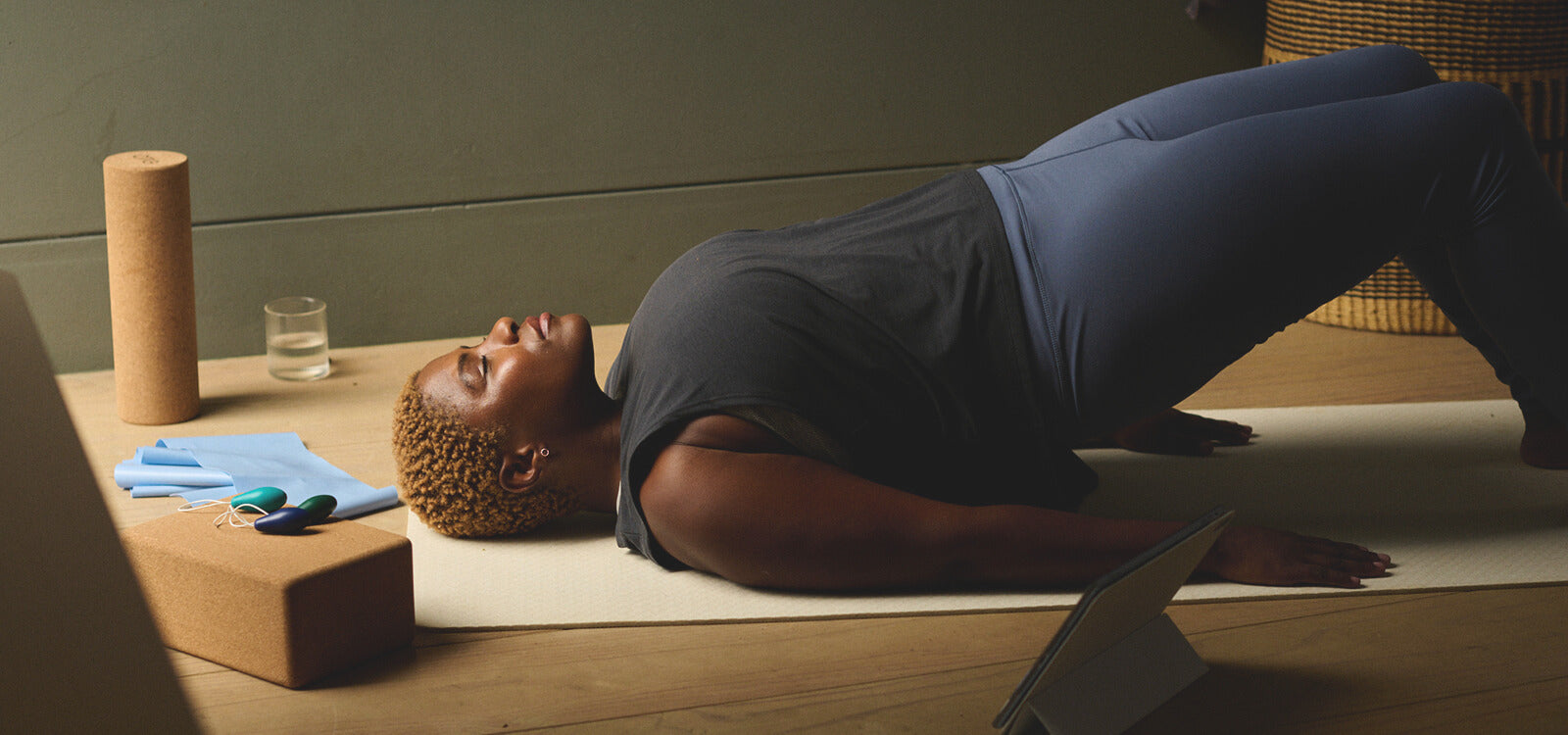
Some low-impact cardio you could try includes swimming, walking, cycling,6 and Pilates.7 You could pair them with strengthening moves like Kegels, modified squats, and bridges.8
Exercises and Habits to Approach with Caution
High-impact moves put extra pressure on your pelvic floor, which could cause leaks during a workout.6
You might not need to cut them out, but it helps to be careful or modify them slightly.6 These exercises could include heavy weight lifts,6 deep squats, and crunches or sit-ups with your legs raised.8
It may also help to check in with your doctor or pelvic floor physical therapist before changing your routine.
Building a Safe Workout Routine, Step by Step
Easing back into, or starting an exercise routine might take time and consistency.4
Starting with low-impact, pelvic-strengthening movements might seem boring, but it helps your body prepare for higher intensity later.8
Once you’re comfortable and your pelvic floor feels stronger, you could slowly increase the intensity of your workout.8
When building your routine, it might help to have your doctor or pelvic floor physical therapist take a look too. This matters especially if you’ve just given birth or had surgery.
Staying Protected and Confident During Your Workout
Staying dry when working out is possible with the right incontinence product.
To feel secure and confident, choose products that match your absorbency and activity needs. For example, the more intense your activity level, the higher your absorbency needs could be.
How the product fits matters too. You want a product that moves with you and doesn’t feel bulky. They should also be breathable, so you stay dry and comfortable during sweaty sessions.
Not sure what works best for you? TENA’s range of women's incontinence products could help you feel more comfortable and confident while active.
When to Talk to a Doctor About Exercise and Bladder Leaks
Speak to your doctor if your symptoms are worsening or affecting your daily life and exercise habits.
Also, tell them if your leaks are frequent9 or if you notice pain when you pee.10 It might feel embarrassing, but seeking help is a normal, positive step toward getting active again.
Staying Active with Bladder Leaks Is Possible
Bladder leaks could show up during different life stages: after having a baby,2 during menopause,3 and later on in life.2
Leaking while exercising can feel frustrating, but you don’t need to quit. You might just need a routine of safe exercises and pelvic-strengthening moves.
It doesn’t have to be complex; you could build up your exercise routine slowly with low-impact and pelvic floor exercises.
If you’re unsure what movements are best for you, your doctor could help with a personalized routine. Let them know if your leaks are frequent,9 worsening, or affecting your daily life.
So, stop staring in the mirror, grab your shoes, and head out. If you’re worried about leaks at the gym while building your pelvic floor strength, TENA’s got you covered with incontinence products for active people.
FAQs
Can I Still Exercise If I Have Bladder Leaks?
Yes, you could stay active with bladder leaks, but with a little adjustment.6 You might need to choose exercises that support your pelvic floor4 and put less pressure on it.6
Regular movement, paired with the right protection, may help you stay confident and dry during workouts.
What Exercises Should I Avoid if I Leak Urine During Workouts?
High-impact moves like running, jumping, and heavy lifting could put extra pressure on your bladder and pelvic floor.6
Deep squats and sit-ups with your legs raised might also be harder on a weaker pelvic floor.8
Swapping these for lower-impact alternatives might be a simple way to reduce leaks during exercise.
Does Exercise Make Bladder Leaks Worse?
Not necessarily. Some higher-impact activities may trigger leaks in the moment.6
Low-impact exercises, on the other hand, might help strengthen the muscles that support bladder control over time.6 It is a good way to stay active while you build your pelvic floor strength.
When Can I Start Exercising Again After Having a Baby If I Have Bladder Leaks?
Everyone’s experience is unique. It might depend on your delivery and how your body is healing.4
We recommend getting a clean bill of health from your doctor before heading to the gym. Once cleared, start gently with pelvic floor-focused movements, and as you get comfortable, you could intensify your routine slowly.4
Can Perimenopause or Menopause Cause Bladder Leaks During Exercise?
Hormonal changes during perimenopause and menopause could affect pelvic floor strength.11 That’s why you might notice bladder leaks when you work out during this stage.
It's a common experience and it might not be a sign that something is wrong.3 Gentle strengthening exercise and the right protection could both help you stay active through this transition.3
What Is the Best Type of Exercise for a Weak Bladder?
Low-impact activities like walking, swimming, cycling,6 and Pilates7 tend to be gentler on the pelvic floor.
Pairing these with pelvic floor-focused strengthening exercises may help improve bladder control over time.4 The best routine is one you can do consistently and comfortably.
How Long Does It Take to Notice a Difference from Pelvic Floor-Focused Exercise?
You may need several weeks of consistent practice before you notice some differences.12 Everyone’s experience is unique, so stick with your routine, even if it’s a short one.
What Should I Wear to Feel Confident Exercising with Bladder Leaks?
It might help to wear a thin, absorbent pad or protective underwear designed for bladder leaks. They could help you feel secure during a workout.
When making a choice, look for something breathable and close-fitting, so it moves with you rather than against you.
TENA offers a range of pads and underwear designed to stay comfortable and discreet while you stay active.
Is Running Safe if I Have Stress Incontinence?
Running might trigger leaks because of the pressure it puts on your pelvic floor.6 Still, you might not have to give it up entirely. You may just need to strengthen your pelvic floor first8 and shorten your runs.6
Wearing supportive protection could also help you feel more comfortable while you build back up.
When Should I See a Doctor About Bladder Leaks During Exercise?
See your doctor if leaks are frequent,9 getting worse, or affecting your day-to-day life, including your ability to exercise.
You should also seek medical advice if you feel pain during exercise or notice any unusual symptoms.3
Your doctor could help identify the cause and recommend a treatment plan that works for you.
References
1. Srakocic S. Incontinence when exercising: Why you may pee a little [Internet]. Healthline. Healthline Media; 2023 [cited 2026 Sept 16]. Available from: https://www.healthline.com/health/urinary-incontinence/incontinence-when-exercising
2. Cleveland Clinic. Pelvic floor muscles: Anatomy, function & conditions [Internet]. Cleveland Clinic. 2025 [cited 2026 Sept 16]. Available from: https://my.clevelandclinic.org/health/body/22729-pelvic-floor-muscles
3. Holland K. Menopause and urinary incontinence [Internet]. Healthline. 2019 [cited 2026 Sept 16]. Available from: https://www.healthline.com/health/menopause/urinary-incontinence
4. Cronkleton E. The best postpartum workout plan for all skill levels [Internet]. Healthline. Healthline Media; 2023 [cited 2026 Sept 16]. Available from: https://www.healthline.com/health/postpartum-workout-plan
5. Levine H. Gain control over your OAB [Internet]. WebMD. 2023 [cited 2026 Sept 16]. Available from: https://www.webmd.com/urinary-incontinence-oab/gain-control-oab
6. Werner C. Potential exercise challenges and tips for overactive bladder [Internet]. Healthline. Healthline Media; 2025 [cited 2026 Sept 16]. Available from: https://www.healthline.com/health/exercise-tips-for-overactive-bladder
7. De Marchi T, Ferlito JV, Turra AC, Flamia S, de Bispo Magro F, Pavelecini Donida ML, Dilkin M, da Silva D, Massia Ribas V, Leal Junior ECP. Pilates Method and/or Photobiomodulation Therapy Combined to Static Magnetic Field in Women with Stress Urinary Incontinence: A Randomized, Double-Blind, Placebo-Controlled Clinical Trial. J Clin Med. 2023 Jan 31; [cited 2026 Sept 16];12(3):1104–4. doi: 10.3390/jcm12031104. PMID: 36769752; PMCID: PMC9917687. Available from: https://www.ncbi.nlm.nih.gov/pmc/articles/PMC9917687/#app1-jcm-12-01104
8. Nall R. Pelvic floor exercises: The best exercises for men and women [Internet]. www.medicalnewstoday.com. 2026 [cited 2026 Sept 16]. Available from: https://www.medicalnewstoday.com/articles/322720#bridge
9. Mayo Clinic. Urinary incontinence - symptoms and causes [Internet]. Mayo Clinic. 2023 [cited 2026 Sept 16]. Available from: https://www.mayoclinic.org/diseases-conditions/urinary-incontinence/symptoms-causes/syc-20352808
10. Mayo Clinic. Painful urination (dysuria) causes [Internet]. Mayo Clinic. 2026 [cited 2026 Sept 16]. Available from: https://www.mayoclinic.org/symptoms/painful-urination/basics/causes/sym-20050772
11. Bladder health during Perimenopause & Menopause - National Association for Continence [Internet]. National Association for Continence. 2025 [cited 2026 Sept 17]. Available from: https://nafc.org/bladder-health-during-perimenopause-menopause/
12. Larson J. What doctors can you see for help for urinary incontinence? [Internet]. Healthline. Healthline Media; 2023 [cited 2026 Sept 17]. Available from: https://www.healthline.com/health/urinary-incontinence/doctor-for-urinary-incontinence