Jul 01, 2026
The Stages of Menopause: Symptoms, Timeline, and What to Expect
Menopause is a natural life stage that looks a little different for every woman. But it’s still not talked about enough and is often misunderstood.1
So how do you prepare for it? Knowledge is your best starting point. It’ll help you feel more confident and in control during this transition, instead of being overwhelmed by it.
In this article, we cover the stages of menopause and the common symptoms you might notice, along with practical ways to manage everyday changes.
What Is Menopause?
Menopause marks the end of your reproductive years, when you haven’t had a period for at least 12 consecutive months.1,2 It occurs as your ovaries gradually produce less estrogen and progesterone.1
Most women experience it between the ages of 45 and 55, but it’s part of a longer transition that could last several years.1,3

What Are the Three Stages of Menopause?
Every woman’s menopause timeline is unique, but there are three distinct stages. You might notice changes years before your last period, and some symptoms can continue for months or even years afterward.
Let’s take a closer look at each stage and what you can expect.
Perimenopause
Perimenopause is the stage leading up to menopause.2 It typically begins 5 to 10 years before your final period and is when physical and emotional changes first become noticeable in your daily life.5
Common perimenopause symptoms include periods becoming lighter, heavier, shorter, longer, or more irregular.2 Other slightly more challenging symptoms are:5
- night sweats
- hot flashes
- vaginal dryness
- urinary incontinence
- lower libido
These changes often happen during your 30s to 40s as estrogen levels begin to fluctuate and gradually decline.2
Menopause
Menopause tends to show up for women in the United States around the age of 52.6 Around this time, perimenopause comes to an end, your period stops completely, while estrogen and progesterone levels continue to decline.7,8
This transition brings changes that aren’t always easy to prepare for. Sometimes, even if you are prepared, they can catch you a little off guard. It happens, and it’s ok.
Postmenopause
Postmenopause is the stage that lasts for the rest of your life.9,10 During this time, estrogen and progesterone remain constantly low, and symptoms you may have experienced during menopause ease or disappear as the years go by, but they could also linger.9,11
This is also a time when your risk for certain heart and bone conditions could increase, making adopting healthier habits more important.10
What Are the Signs and Symptoms of Menopause?
Menopause symptoms differ widely and in severity,1,7 and include both physical and emotional changes.

Physical Symptoms
Low estrogen levels can affect the way your nerves, muscles, skin and urinary system function, leading to physical symptoms such as:7
- Hot flashes and night sweats7,11
- Absent periods2
- Vaginal dryness and discomfort7
- Joint pain and muscle weakness 7
- Headaches7
- Bladder changes like increased urgency, frequency, or leaks7
- Weight changes, especially weight gain around the stomach7
- Thinning hair and dry skin12
- Sleep disturbances and insomnia7
Navigating bladder changes during menopause can feel easier with discreet protection for unexpected leaks. TENA offers products specifically designed for the female body and different levels of need. Explore the range today.

Emotional Changes and Memory Shifts
How you think and react to everyday situations can also be affected when estrogen drops, with symptoms such as:
- Mood swings and irritability4,7
- Anxiety7
- Brain fog, difficulty concentrating, and memory lapses4,7
- Loss of confidence or motivation7
When Should You See a Doctor About Menopause Symptoms?
You may feel confused about what’s happening, and the thought of talking to your doctor about menopause symptoms can feel uncomfortable.
But there’s no need to be embarrassed. Your doctor is there to listen and help make sense of what you’re going through. They can also support you in managing your symptoms with the right treatment7,13 and improving your quality of life.
It’s also best to see your doctor if you notice bladder health changes or symptoms like the ones listed below:
- Symptoms that affect your mental health14
- Heavy periods15
- Bleeding after 12 months without a period16
How Is Menopause Diagnosed?
There isn’t a single test that can fully confirm menopause.17 Instead, your doctor will make a diagnosis after considering your age, menstrual history, and your symptoms, especially if you’re above 45 and healthy.1,7,17
But in certain situations, or if you’re under 45 and experiencing early menopause18 your doctor might order blood tests. These tests check the hormones that control your menstrual cycle, like follicle-stimulating hormone (FSH),7 help rule out underlying conditions and support a diagnosis:17
- A follicle-stimulating hormone (FSH) blood test to check how much FSH you have in your blood.17
- An estradiol blood test to check how much estrogen you have in your blood.17

Managing Menopause Symptoms: What's Right for Me?
After a menopause diagnosis, there are different ways to manage your symptoms based on your needs and preferences.18
Your doctor will guide you through the available options, which may include hormonal and non-hormonal treatments.7,18
What Is Hormone Replacement Therapy?
Hormone replacement therapy (HRT) works by topping up the hormones in your body. This should help with hot flashes, vaginal dryness, mood swings, and night sweats in menopause.7
There are two main types of HRT:
- Estrogen-only HRT: Doctors recommend this if you’ve had your uterus removed.7,19
- Combined HRT: Includes both estrogen and progesterone to help protect the lining of your uterus.7,19
HRT also comes in different forms:
- tablets7
- patches7
- gels7
- sprays7
- implants18
- vaginal estrogen7
HRT may not be suitable for every woman, and whether it’s right for you will depend on your health history.7 That’s why it's important to tell your doctor if you have or have had conditions such as:7
- breast cancer
- endometrial cancer
- deep vein thrombosis
- liver disease
- unexplained vaginal bleeding
- stroke
For many women under 60, especially those who start treatment within 10 years of menopause, the benefits of HRT, such as supporting bone health, outweigh the risks.7
Non-Hormonal Approaches
If you can’t take HRT, there are still ways to help you feel more comfortable.
Changing What You Eat and Drink
Making small changes to your diet can be helpful in managing your menopause symptoms.7
- Add phytoestrogens to your diet like flaxseeds, soy, and chickpeas. They have a mild estrogen-like effect, helping with hormone fluctuations.20,21
- Supplement with calcium and vitamin D. Adequate amounts recommended by your doctor could help protect your bone health during and after menopause.22
- Drinking less caffeine and alcohol may help with hot flashes and improve your sleep.21
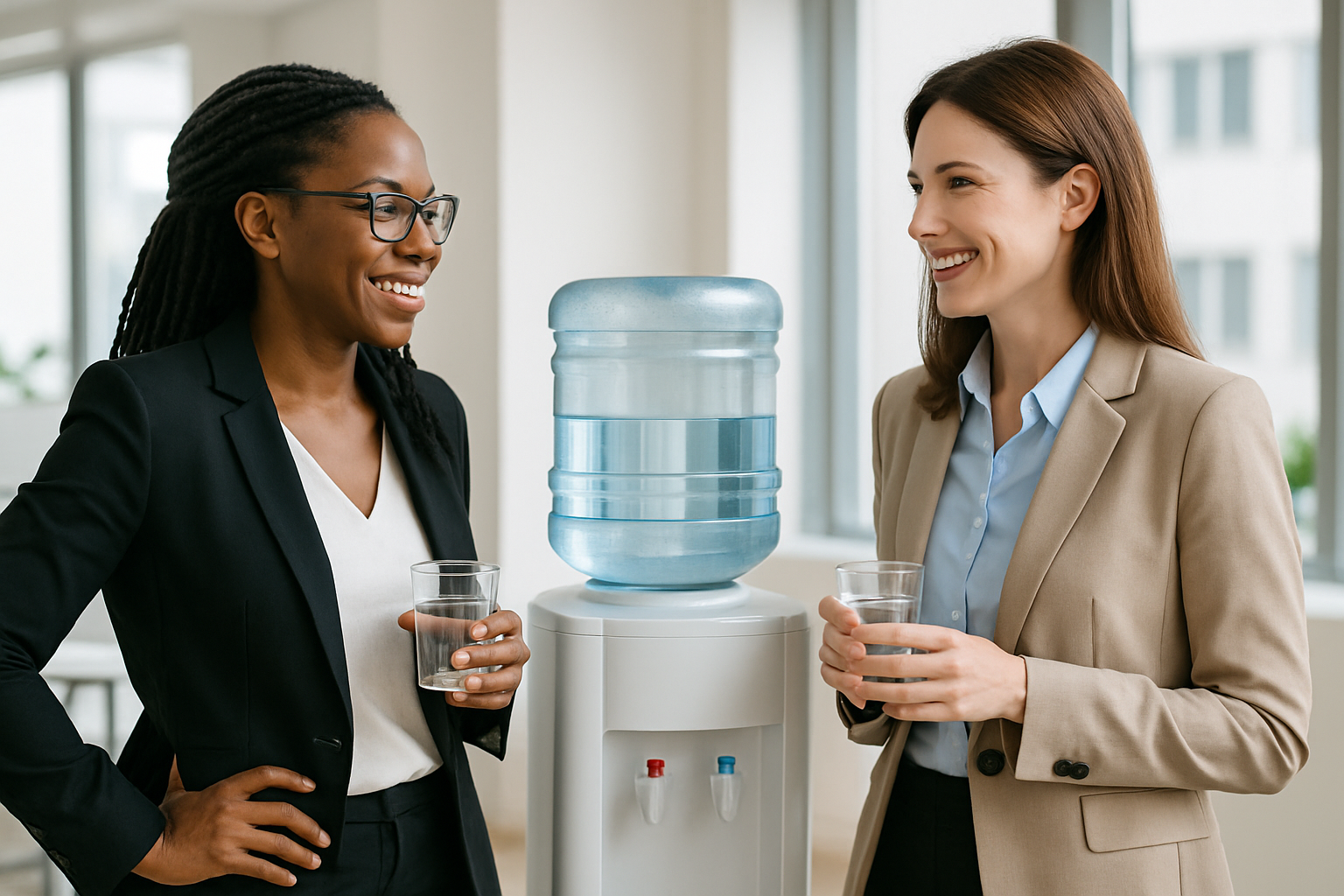
- Drinking enough fluids supports kidney and bladder health.23,24
Avoiding Hot Flash Triggers
Knowing your triggers can help you avoid things that affect you.25 Keeping a symptom diary is a practical way to track how you feel throughout the day. Some common triggers to watch out for include:25
- spicy foods
- alcohol
- caffeine
- warm or poorly ventilated rooms
- stress
Exercising
Gaining weight is common when you reach menopause.22 Regular exercise doesn’t only help you lose menopause belly fat; it also benefits your overall health and wellbeing by supporting your heart, bones, mood, energy levels, and sleep.22,26
It’s recommended that adults do at least 150 minutes of moderate intensity activity a week or 75 minutes of vigorous exercise a week.27
While it's not always easy to stick to an exercise routine, especially if you have a busy schedule, the key is to choose a form of exercise you enjoy. Here are some exercise suggestions and their benefits:
- Weight-bearing exercises like walking and strength training support bone health.22
- Cardio activities like walking, jogging, and swimming support heart health.22
- Kegel exercises strengthen your pelvic floor.23
- Mind-body exercises like Pilates and yoga help with sleep, anxiety, and fatigue.26
Prescription Non-hormonal Medications
Non-hormonal menopausal treatments, like antidepressants, can also help with symptoms like hot flashes.7 These drugs are prescription only and require a doctor's visit.
Support Groups and Therapy
Many women find it helpful to connect with others going through the same experience, whether online or in person. It can feel a bit awkward at first, but talking about menopause often makes things feel less overwhelming and less lonely.
If you’re not sure where to start, your doctor or menopause clinic can usually point you toward support groups or suggest additional assistance, such as cognitive behavioral therapy (CBT).18,19,28
This is a form of talk therapy that helps you recognize and change unhelpful thought patterns and habits that may affect how you feel.28 CBT is also used to help women manage menopause symptoms, such as mood changes, hot flashes, and trouble sleeping.18,19,28
FAQs
Is Perimenopause the Same as Menopause?
No, perimenopause and menopause are two different stages. Perimenopause refers to the period that leads up to your final period.6 During this stage, your hormone levels fluctuate.5
Menopause, on the other hand, is the point where your period has stopped for 12 consecutive months.7
What Is Menopause and How Does It Affect Behavior?
Menopause is a natural life stage where your period stops for 12 consecutive months.1,2 Symptoms include mood swings, irritability, anxiety, and brain fog.7 These changes happen because of shifts in your estrogen levels, which affect your brain chemicals like serotonin.7
At What Age Does Menopause Start?
You might notice some changes as you approach your mid-to-late 40s, as perimenopause begins.6 After your period stops for 12 consecutive months, usually between the ages of 45 and 55, this marks that you’ve entered menopause.3
For some women, this could even happen before the age of 40. This early menopause is called premature ovarian insufficiency (POI).18
If you have symptoms of POI, your doctor can help you understand what’s happening and what treatments could help.18
What Is the Average Age for Menopause?
For women in the United States, menopause usually starts around the age of 52, but it can vary from person to person.3
Your menopause age depends on your genetics, ethnicity, lifestyle, and medical history.3 For example, smoking may bring on menopause 1 to 2 years earlier.3
Why Does Menopause Happen?
As you age, your ovaries gradually run out of eggs and become less responsive to hormones that control your menstrual cycle like FSH.7 This causes estrogen and progesterone levels to drop and FSH levels to rise.7,29 These hormonal changes then lead to menopause.29
What Makes Menopause Symptoms Worse?
Certain lifestyle factors make menopause symptoms feel more intense,7while stress or lack of sleep can affect bladder health. Some other factors that influence your menopause symptoms include:
- being overweight 1
- smoking1
- a sedentary lifestyle1
- alcohol use1
- stress1
- caffeine10
How Long Do Menopause Symptoms Last?
You could experience symptoms for 7 to 10 years but your menopause timeline can be different to everyone else’s.4
Hot flashes, night sweats, vaginal dryness, and urinary incontinence, which often start during perimenopause,4,30,31 may ease after menopause. But sometimes symptoms like hot flashes can linger even into your 60s.30,32
Can Menopause Affect the Bladder?
Yes, changes in estrogen levels around menopause and afterward can thin the lining of the urethra, the tube that carries urine out of the body.31,33 The tissues in and around the vagina, vulva and bladder can also become thinner, drier, and less elastic.34
This can cause symptoms such as urgency, needing to pee more often, and leaks.31
Genitourinary syndrome of menopause (GSM) is the term used to describe changes in the genital and urinary areas during menopause.33
Other symptoms include vaginal dryness, irritation, and burning. But GSM is common and manageable 33 and your doctor can help with a treatment plan that works for you.
References
1. Dalvi SA. Menopause: Why is Everyone Talking About it Now? Journal of obstetrics and gynecology of India. 2024 Jun 1;74(3):196–200.
2. ACOG. The Menopause Years [Internet]. www.acog.org. Available from: https://www.acog.org/womens-health/faqs/the-menopause-years
3. Peycheva D, Sullivan A, Hardy R, Bryson A, Conti G, Ploubidis G. Risk factors for natural menopause before the age of 45: evidence from two British population-based birth cohort studies. BMC Women’s Health. 2022 Nov 8;22(1).
4. Mayo Clinic. Menopause - Symptoms and causes [Internet]. Mayo Clinic. 2024. Available from: https://www.mayoclinic.org/diseases-conditions/menopause/symptoms-causes/syc-20353397
5. Cunningham AC, Hewings-Martin Y, Wickham AP, Prentice C, Payne JL, Zhaunova L. Perimenopause symptoms, severity, and healthcare seeking in women in the US. npj Women’s Health [Internet]. 2025 Feb 25;3(1):1–8. Available from: https://www.nature.com/articles/s44294-025-00061-3
6. Menopause basics | Office on Women’s Health [Internet]. OASH | Office on Women’s Health. 2025. Available from: https://womenshealth.gov/menopause/menopause-basics
7. Peacock K, Ketvertis KM. Menopause [Internet]. National Library of Medicine. StatPearls Publishing; 2026. Available from: https://www.ncbi.nlm.nih.gov/books/NBK507826/
8. Yang JL, Hodara E, Sriprasert I, Shoupe D, Stanczyk FZ. Estrogen deficiency in the menopause and the role of hormone therapy: integrating the findings of basic science research with clinical trials. Menopause [Internet]. 2024 Jul 30;31(10):926–39. Available from: https://journals.lww.com/menopausejournal/abstract/2024/10000/estrogen_deficiency_in_the_menopause_and_the_role.13.aspx
9. Silver N. What Health Changes Might Happen Postmenopause? [Internet]. Healthline. Healthline Media; 2017. Available from: https://www.healthline.com/health/menopause/postmenopausal-health
10. NHS inform. After the menopause [Internet]. www.nhsinform.scot. 2023. Available from: https://www.nhsinform.scot/healthy-living/womens-health/later-years-around-50-years-and-over/menopause-and-post-menopause-health/after-the-menopause/
11. Todd L. Postmenopause: Impact on weight, hot flashes, and more [Internet]. www.medicalnewstoday.com. 2021. Available from: https://www.medicalnewstoday.com/articles/postmenopause
12. American Academy of Dermatology association. Caring for your skin in menopause [Internet]. www.aad.org. 2023. Available from: https://www.aad.org/public/everyday-care/skin-care-secrets/anti-aging/skin-care-during-menopause
13. Grey H. Talking with Your Doctor About Menopause: Where Do I Even Start? [Internet]. Healthline. Healthline Media; 2025. Available from: https://www.healthline.com/health/menopause/talking-with-your-doctor#starting-the-conversation
14. Begum J. The emotional roller coaster of menopause [Internet]. WebMD. 2025. Available from: https://www.webmd.com/menopause/emotional-roller-coaster
15. WebMD Editorial Contributors. What to Know About Heavy Bleeding After 50 [Internet]. WebMD. 2025. Available from: https://www.webmd.com/healthy-aging/heavy-bleeding-after-50
16. Sung S, Abramovitz A. Postmenopausal Bleeding [Internet]. PubMed. Treasure Island (FL): StatPearls Publishing; 2025. Available from: https://www.ncbi.nlm.nih.gov/books/NBK562188/
17. Jewell T. Menopause Tests and Diagnosis [Internet]. Healthline. Healthline Media; 2025. Available from: https://www.healthline.com/health/menopause/tests-diagnosis
18. NICE. Overview | Menopause: Diagnosis and Management | Guidance | NICE [Internet]. Nice.org.uk. NICE; 2026. Available from: https://www.nice.org.uk/guidance/ng23
19. Magraith K, Jang C. Management of menopause. Australian Prescriber [Internet]. 2023;46(3):48–53. Available from: https://pubmed.ncbi.nlm.nih.gov/38053812/
20. Burgess L. What are phytoestrogens? Benefits and foods [Internet]. Medicalnewstoday.com. Medical News Today; 2018. Available from: https://www.medicalnewstoday.com/articles/320630#food-list
21. Groves M. Menopause Diet: How What You Eat Affects Your Symptoms [Internet]. Healthline. Healthline Media; 2025. Available from: https://www.healthline.com/nutrition/menopause-diet#foods-to-eat
22. Staying Healthy After Menopause [Internet]. www.hopkinsmedicine.org. Available from: https://www.hopkinsmedicine.org/health/conditions-and-diseases/staying-healthy-after-menopause
23. Ames H. What is the link between perimenopause and an overactive bladder? [Internet]. Medicalnewstoday.com. Medical News Today; 2022 [cited 2026 May 3]. Available from: https://www.medicalnewstoday.com/articles/overactive-bladder-perimenopause#home-treatment
24. Matysiak S. Tips for Creating a “Skin Care Diet” During Menopause [Internet]. Healthline. Healthline Media; 2025 [cited 2026 May 4]. Available from: https://www.healthline.com/health/menopause/menopause-skin-care-diet#water
25. Faris S. Hot Flash Causes and Treatments [Internet]. Healthline. Healthline Media; 2024 [cited 2026 May 4]. Available from: https://www.healthline.com/health/menopause/hot-flash-causes#causes
26 Stuart A. Menopause, Weight Gain, and Exercise Tips [Internet]. WebMD. Available from: https://www.webmd.com/menopause/menopause-weight-gain-and-exercise-tips
27 NHS. Physical activity guidelines for adults aged 19 to 64 [Internet]. NHS. Available from: https://www.nhs.uk/live-well/exercise/physical-activity-guidelines-for-adults-aged-19-to-64/
28.Rukure H, Husted M. Cognitive behavioural therapy for menopausal symptoms: a systematic review of efficacy in improving quality of life. BMC Women’s Health. 2025 Dec
29. Talaulikar V. Menopause Transition: Physiology and Symptoms. Best Practice & Research Clinical Obstetrics & Gynaecology [Internet]. 2022 Mar; 81:3–7. Available from: https://www.sciencedirect.com/science/article/pii/S1521693422000426
30. Fletcher J. How long do menopause symptoms last? [Internet]. Medicalnewstoday.com. Medical News Today; 2023 [cited 2026 May 5]. Available from: https://www.medicalnewstoday.com/articles/314951#duration
31. Harvard Health Publishing. Dealing with the symptoms of menopause - Harvard Health [Internet]. Harvard Health. Harvard Health; 2017. Available from: https://www.health.harvard.edu/womens-health/dealing-with-the-symptoms-of-menopause
32.Thurston RC. Basics of vasomotor symptoms. Menopause. 2024 Dec;31(12):1085–6.
33. Carlson K, Nguyen H. Genitourinary Syndrome of Menopause [Internet]. National Library of Medicine. Treasure Island (FL): StatPearls Publishing; 2025. Available from: https://www.ncbi.nlm.nih.gov/books/NBK559297/
34. Allafi AH, Al-Johani AS, Babukur RM, Jehad Fikri, Raneem Rashed Alanazi, Dafaalla S, et al. The Link Between Menopause and Urinary Incontinence: A Systematic Review. Cureus [Internet]. 2024 Oct 11;16(10). Available from: https://pmc.ncbi.nlm.nih.gov/articles/PMC11550778/