Apr 22, 2026
When you’re experiencing a particularly stressful day, it could feel like you’re also experiencing stronger urges to pee and unexpected leaks. Coincidence? It may make you wonder whether stress and bladder health in women are connected.1
Well, wonder no more. Your brain constantly communicates with your bladder, which means stressful situations could make symptoms feel more noticeable.2
Let’s explore how stress and sleep affect bladder function in women, along with everyday habits that could help you support your bladder comfort and confidence.
How Stress Affects Bladder Control and Pelvic Floor Health
Your brain communicates with your bladder as it fills, letting you know when it's time to pee.2 This brain–bladder connection is why you feel the need to pee, prompting you to visit the bathroom.2
When you’re stressed, your body prepares to act, triggering a response that can also affect bladder control.1 This response could include your pelvic floor muscles tensing, which may make urgency feel stronger.1,3
The Role of Your Nervous System and the Pelvic Floor
Your nervous system has two branches that help your body handle stress: the sympathetic (fight-or-flight) and the parasympathetic (rest-and-digest).2
The sympathetic system helps your body to react during stressful moments, while the parasympathetic system helps your body relax once the stress passes.2
When you’re stressed, your body shifts into fight-or-flight mode.2 This can make bladder urges feel stronger, while your pelvic floor muscles may tighten without you realizing it.2,3
And if this stress continues over time, it could cause pelvic floor dysfunction.
The Impact of Stress Hormones for Women
Outside of pelvic floor tension, stress releases two hormones: adrenaline and cortisol.1
These hormones help keep your body alert during stressful moments.1 They can also increase muscle tension and make the bladder more sensitive.1
These changes could contribute to symptoms like urgency and frequent bathroom visits.1 For some women, the effects may feel more noticeable during perimenopause because of hormone changes.5
Signs That Stress Is Affecting Your Bladder
When you’re stressed or anxious, you might notice these stress- or anxiety-related bladder symptoms:
- Nervous peeing before a presentation or travelling2
- Urinary urgency during anxious moments6
- Waking up at night to pee2
- Leaks during emotionally intense events6
Stress and anxiety may make bladder symptoms feel more noticeable.1 If these symptoms persist, speaking with your doctor could help rule out other medical causes and guide you toward the right care.
The Impact of Poor Sleep on Bladder Function
Each night as you go to bed, your body makes more antidiuretic hormone to keep you comfortable and undisturbed by bladder needs.7 Staying up late or missing sleep could disturb this process, leading to more nighttime bathroom visits.7
Over time, sleep deprivation could increase stress hormones, which may make your pelvic floor muscles tense and worsen urinary urgency or leaks.8,9
What Women Can Do to Break the Cycle
After a stressful day, these simple habits can help you feel calm and support your urinary health, helping you feel more in control and comfortable.
Mindfulness and Relaxation Techniques
Your mindfulness routine doesn’t need to be complicated. Slow, deep breathing exercises like diaphragmatic breathing can help activate your parasympathetic system, which helps your bladder to relax.1
You could practice diaphragmatic breathing for 5–10 minutes, 3–4 times a day.10 Here’s a simple step-by-step guide:10
- Lie on your back with your knees slightly bent and your head on a pillow.
- Place one hand on your upper chest and the other just below your ribcage.
- Breathe in slowly through your nose, feeling your stomach rise against your hand while keeping your chest still.
- Exhale gently through pursed lips, tightening your stomach lightly.
- Repeat for several breaths, focusing on slow, steady inhalations and exhalations.
Other relaxation techniques you could try include:
- Progressive muscle relaxationsup>11
- Guided imagerysup>11
- Body scan meditation12
There are many apps available to help guide you through relaxation techniques, and you can choose which works best for you.
Physical Strategies That Support Bladder Health
These strategies could help support your bladder health, helping you stay confident and comfortable:
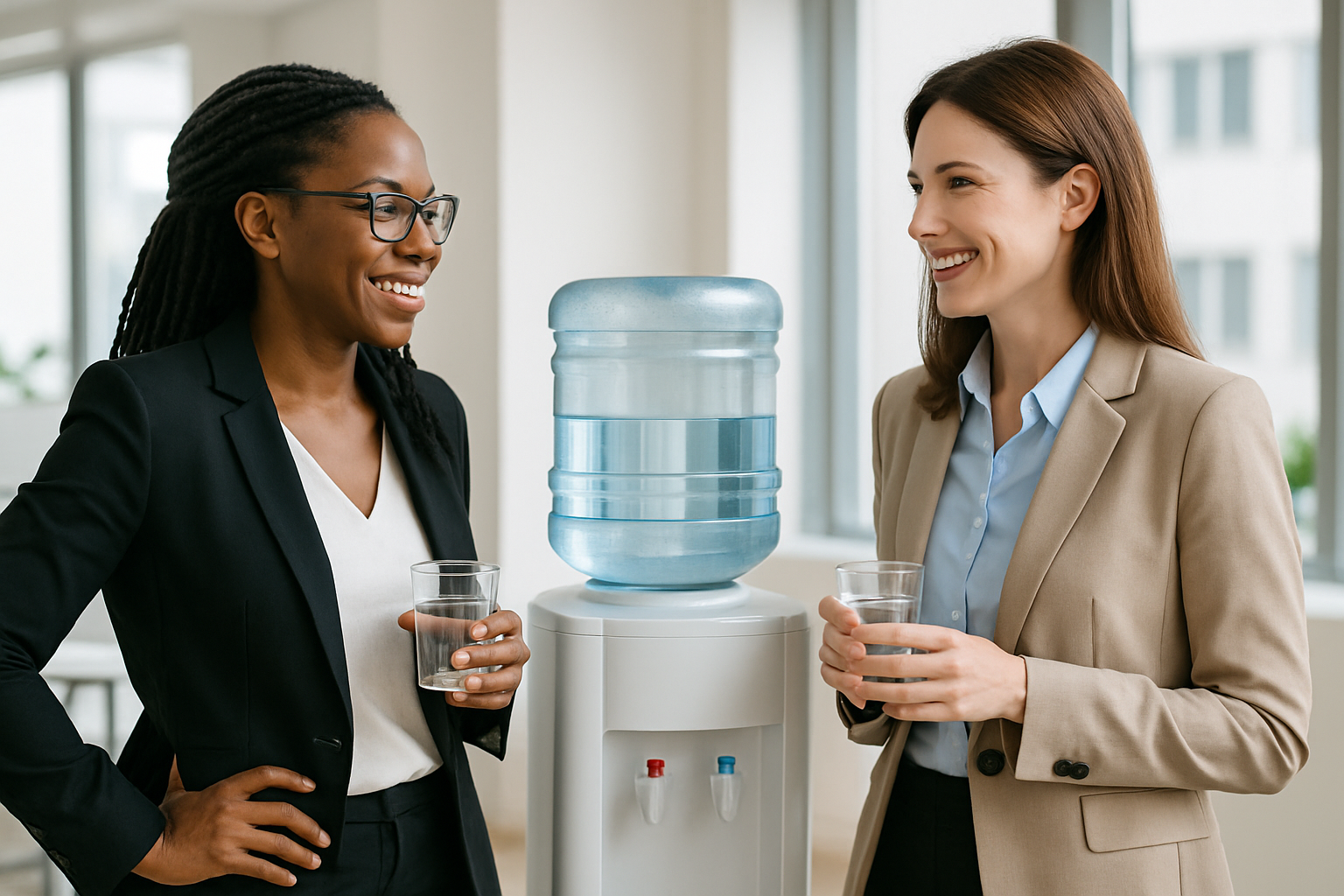
Stay hydrated: Drinking enough water helps keep your bladder functioning well and may help prevent issues such as urine retention.1
Reduce caffeine and alcohol intake: Drinking too many caffeinated drinks or alcohol could irritate your bladder, especially during stressful periods.1
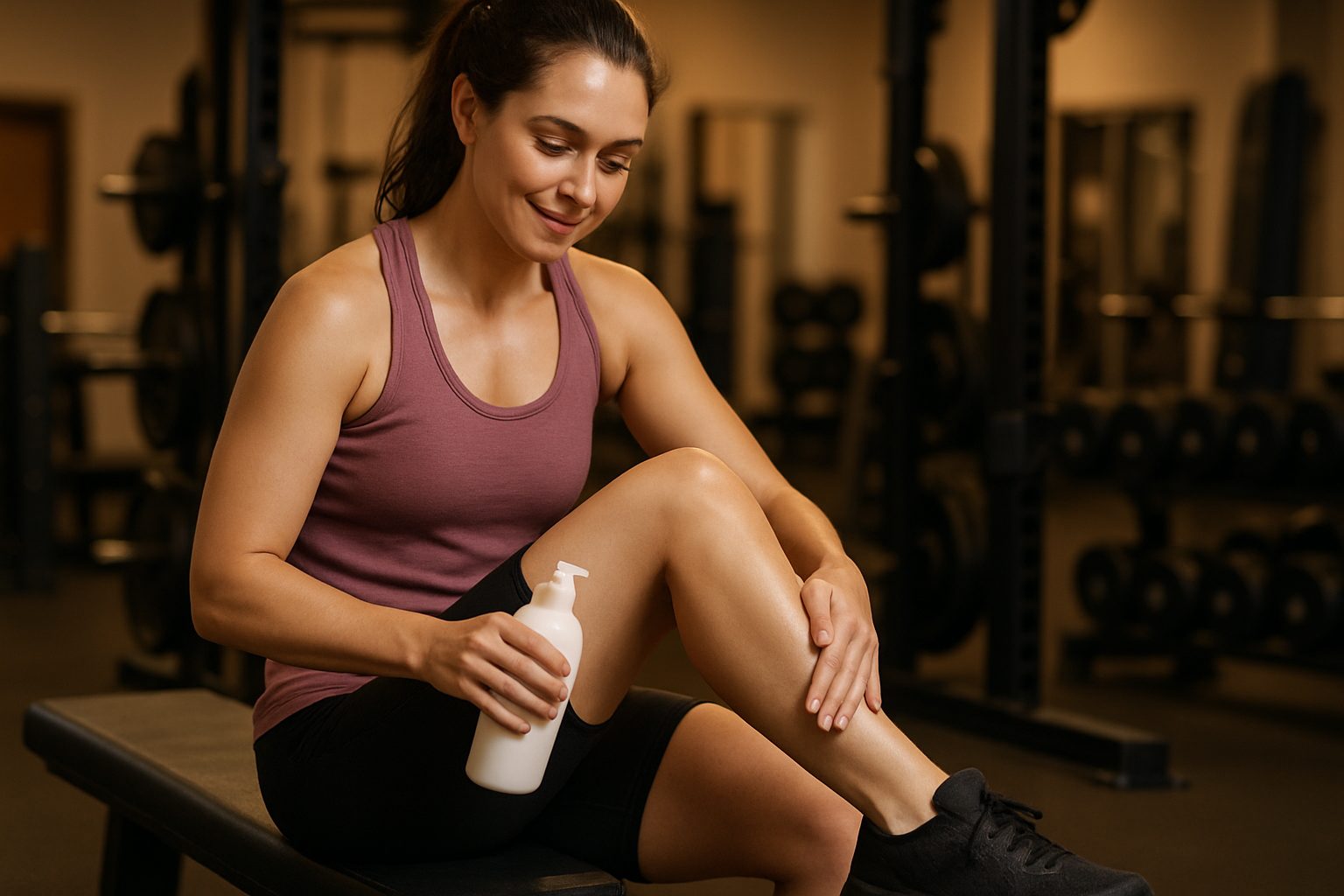
Exercise regularly: Light activities like walking or yoga can help improve your mood and reduce muscle tension.1,5
Bladder training: This technique gradually retrains your bladder by helping you delay bathroom visits.13 It helps improve bladder control over time.13
Pelvic floor exercises: Strengthening exercises could help build endurance and support bladder control.14 If your pelvic muscles feel tight, gentle stretching of the hips and lower back may help with a tense pelvic floor.15
Sleep Hygiene Strategies
Creating a calm wind-down routine could help prevent poor sleep and urgency symptoms. Here are some tips to help you set up your routine:
- Have a consistent sleep schedule.7
- Create a calm and relaxing environment.7
- Avoid caffeine and heavy meals before bed.7
- Reduce your fluid intake once it's evening.7
- Reduce your screen hours before bed.9
When to Find Professional Help
If you notice any of these symptoms, it's okay to feel concerned. Seeing a professional could help you get answers and the care you deserve especially if they are persistent or worsening.16
- Pelvic pain
- Blood in your pee
- Recurrent urinary tract infections
- Anxiety that affects your daily life
Medical professionals could help you understand these symptoms, including a general practitioner (GP), urologist, pelvic floor physiotherapist, or a mental health professional.
Breaking the Stress–Bladder Cycle Long Term
Stress could feel inevitable, but managing your stress levels for your bladder health is possible.1
Your mind and body are connected, which means simple habits for your mental health and bladder control could go a long way.
Small daily habits may seem minor, but they could make everyday life feel easier.
These could include relaxation practices, gentle movement, and supportive options like women’s incontinence products to help you stay comfortable and confident while managing leaks.
FAQs
Can Stress Cause Bladder Issues in Women?
Yes. Stress could trigger your nervous system, causing urgency, frequency, and pelvic floor tension.2,3,4
Can Anxiety and Stress Cause Very Frequent Urination?
Yes, extreme anxiety could trigger a heightened alertness and cortisol release, causing frequent bathroom visits.1,6
Can Stress Cause Bladder Infections?
Stress doesn’t directly cause infections, but when it continues over time, it could make it harder for your body to fight off germs.1
How to Strengthen Your Bladder as a Female?
While checking in with your doctor, you could also support your bladder with these practical tips:
- Practice pelvic floor exercises regularly.14
- Gradually retrain your bladder with bladder training techniques.15
- Try stress reduction practices, like slow breathing or mindfulness exercises.1
What Does an Anxious Bladder Feel Like?
When you’re anxious, you might notice sudden urges to pee or frequent trips to the bathroom.6
Does Walking Strengthen Bladder Muscles?
Walking is a simple way to keep your pelvic area healthy, but targeted pelvic floor exercises are the best way to build the strength you need to help during triggers like laughing, coughing, or sneezing.17
References
1. Whalen R. How Stress Affects Bladder and Urinary Health [Internet]. urologyconferences.com. 2025. Available from: https://urologyconferences.com/how-stress-affects-bladder-and-urinary-health/
2. Urologyjournal. Stress and Its Effects on Bladder Function – Mind-Body Connections Explored - Urology Journal [Internet]. Urology Journal. 2025 [cited 2026 Mar 14]. Available from: https://www.urologyjournal.org/stress-effects-bladder-function/
3. NeuroLaunch Editorial Team. Pelvic Stress Reflex Response: A Comprehensive Guide to Understanding and Managing [Internet]. NeuroLaunch.com. 2024 [cited 2026 Mar 14]. Available from: https://neurolaunch.com/pelvic-stress-reflex-response/
4. Urologyjournal. Pelvic Floor Dysfunction – When Muscle Control Impacts Urination and Sexual Health - Urology Journal [Internet]. Urology Journal. 2025 [cited 2026 Mar 14]. Available from: https://www.urologyjournal.org/pelvic-floor-dysfunction/#
5. Can Stress Cause Perimenopause or Make It Worse? [Internet]. Biology Insights. 2025 [cited 2026 Mar 14]. Available from: https://biologyinsights.com/can-stress-cause-perimenopause-or-make-it-worse/
6. Carolyn. Modern Urology [Internet]. Modern Urology, Colorado. 2024. Available from: https://modernurology.com/can-urine-incontinence-be-caused-by-anxiety/
7. Urologyjournal. Sleep Patterns and Urinary Control – Circadian Rhythms’ Impact on Bladder Health - Urology Journal [Internet]. Urology Journal. 2025 [cited 2026 Mar 14]. Available from: https://www.urologyjournal.org/sleep-patterns-and-urinary-control/
8. Nollet M, Wisden W, Franks NP. Sleep deprivation and stress: a reciprocal relationship. Interface Focus [Internet]. 2020 Apr 17;10(3):20190092. Available from: https://royalsocietypublishing.org/doi/full/10.1098/rsfs.2019.0092
9. How Poor Sleep Impacts Your Hormones, Bladder, and Pelvic Floor [Internet]. MAUD MEDICAL CLINIC. 2026 [cited 2026 Mar 14]. Available from: https://www.maudmedical.com/news/how-poor-sleep-impacts-your-hormones-bladder-and-pelvic-floor
10. Cronkleton E. 10 Breathing Exercises to Try: For Stress, Training & Lung Capacity [Internet]. Healthline. 2019. Available from: https://www.healthline.com/health/breathing-exercise#belly-breathing
11. Lovring C. 7 Best Relaxation Exercises: Meditation, Grounding, and More [Internet]. Psych Central. 2016. Available from: https://psychcentral.com/lib/relaxation-exercises-and-techniques#for-everyday-relief
12. Ackerman C. 22 Mindfulness exercises, Techniques & Activities for Adults [Internet]. Positive Psychology. 2017. Available from: https://positivepsychology.com/mindfulness-exercises-techniques-activities/
13. Watson S. Bladder Training Techniques [Internet]. WebMD. 2023. Available from: https://www.webmd.com/urinary-incontinence-oab/bladder-training-techniques
14. Lindberg S, Ward S. Pelvic Floor Exercises for Everyone (Yes, Everyone) [Internet]. Healthline. 2019. Available from: https://www.healthline.com/health/fitness-exercise/pelvic-floor-exercises#video-routine
15. Display Patient Information Leaflets [Internet]. University Hospitals Plymouth NHS Trust. 2026 [cited 2026 Mar 14]. Available from: https://www.plymouthhospitals.nhs.uk/display-pil/pil-pelvic-floor-relaxation-5338/
16.When to See a Urologist Female: Key Signs You Shouldn’t Ignore» Central Texas Urology [Internet]. Central Texas Urology. 2025 [cited 2026 Mar 13]. Available from: https://www.centraltexasurology.com/when-to-see-a-urologist-female/
17. Does Walking Strengthen Pelvic Floor Muscles? [Internet]. Biology Insights. 2025 [cited 2026 Mar 14]. Available from: https://biologyinsights.com/does-walking-strengthen-pelvic-floor-muscles/