Mar 25, 2026
Understanding male bladder health is about knowing how well your bladder stores and releases urine. When your bladder is working properly, it fills up, holds the urine comfortably, and empties properly when you choose to go.1
In this article, we explain how the male bladder works, what's normal, what the signs of potential problems are, and the factors that affect your bladder health. We also look at practical steps that can help you feel better and more in control.
If you’re experiencing bladder symptoms, remember you’re not alone. Support and effective management options are available.
What Is Men’s Bladder Health?
A healthy bladder is about more than being free of disease, leaks, or discomfort.1 It must store enough urine at the right pressure, signal when to hold or empty, with the right flow and without pain or blood.1 Several factors could affect men’s bladder health, including:
- Daily or lifestyle habits like dieting1
- Pelvic floor muscle strength1
- Underlying health conditions, like constipation1
- Nerve response1
- Hormone levels2
- Prostate health3
- Anatomy4
Age-related changes could also affect bladder function, but simple everyday steps may help protect your bladder health.1
How the Male Bladder Works
The bladder plays a vital role in the urinary system and in supporting men's urinary health. Understanding how it works may help you recognize changes early, so that you can discuss concerns with your doctor.1
The Role of the Bladder and Urinary System
Your kidneys filter your blood, removing excess water and waste, which becomes urine. The urine then travels down the ureters to the bladder.1
The bladder stores the urine and prevents any leaks with support from the bladder neck, the external urethral sphincter, and pelvic floor muscles.1 When it’s nearly full, nerves send signals to your brain so your:
- pelvic floor muscles relax1
- bladder neck relaxes1
- bladder muscles squeeze1
- sphincters relax5
These changes allow urine to flow through the urethra out of the body.1,5 The male urethra also has a sexual function.4 Our article on how the male urinary system works explains its anatomy and functions in more detail.

What Healthy Bladder Function Looks Like in Men
When it comes to the male urinary system, healthy bladder function may look like:1
- About eight bathroom trips during the day
- Waking up once or not at all during the night to go pee
- A strong, continuous stream without pain, blood, or discomfort
- Feeling like your bladder empties fully after each bathroom visit
These are just guidelines, and it's okay if your bathroom habits don't fit these perfectly. What’s “normal” can vary depending on various factors.1 For example, urination frequency could change depending on how much water you drink.1

Common Bladder Problems in Men
Some bladder problems in men are common, especially with age, lifestyle, or certain health conditions.1,2,3,4 Here are some of the common ones.
Urinary Incontinence
Urinary incontinence refers to those unexpected leaks that could happen during your everyday activities.6 While it can feel isolating, it’s a common condition among men, in fact, 1 in 3 men over 40 experience drips and dribbles.6
Male incontinence could show up in different ways:
Urge Incontinence and Overactive Bladder
Urge incontinence feels like a sudden, intense need to pee, sometimes leading to leaks.6 It occurs when the bladder is irritated or the nerves aren’t sending the right signals.6
Overflow Incontinence
When the bladder doesn’t empty fully, urine could dribble out afterward.6 This could happen due to obstructions, like an enlarged prostate.6
Post-Micturition Dribble
Post-micturition dribble happens when some urine remains in the urethra because of a prostate obstruction.7 You might notice a few drops of urine leaking after you finish peeing, which could even stain your underwear.7
Kidney Stones
Kidney stones are crystals that form when minerals and salts build up in the kidneys, or when there isn’t enough water in the body.8 Depending on their size, they could disrupt urine flow and affect how well the kidneys filter waste.8
If left untreated, kidney stones could lead to complications, but risk factors like dehydration are preventable.8 This is why early awareness matters.
Nocturia (Frequent Urination at Night)
Waking up once at night to pee is normal. But if you find yourself getting up several times, it could be nocturia.9 The causes include drinking a lot of fluids before bed, having a sleep disorder, or a bladder obstruction.9
Urinary Tract Infections
Urinary tract infections (UTIs) happen when bacteria grow in your urinary tract.10 While women tend to get UTIs more often because their urethra is shorter and closer to the anus, men can also get them.11
UTIs in men can be caused by underlying health conditions, so it’s important to see your doctor for a diagnosis and treatment.10
Urinary Retention
Urinary retention happens when your bladder doesn’t empty completely or sometimes not at all.12 It could occur due to several factors, such as medications, nerve issues, or a blockage.12
Prostate Health and Bladder Control
Male bladder health and the prostate are closely connected.3 The prostate surrounds the urethra just below the bladder, so when it becomes enlarged or inflamed, it could lead to symptoms such as prostate-related incontinence.3,6
Let’s look at some prostate conditions and how they affect male bladder control.
Enlarged Prostate and Urinary Symptoms
Benign prostate enlargement is a non-cancerous growth of your prostate.3 It could press on your bladder and urethra, affecting urine flow and leading to male urinary symptoms such as:
- Frequent peeing, especially at night3
- Urgency3
- Weak urine flow3
- Overflow incontinence6
- Trouble starting or stopping your stream3
- Difficulty emptying your bladder3
Bladder Changes after Prostate Surgery
Urinary incontinence or retention could occur during those first moments of recovery.13 After prostate surgery, you might notice these bladder changes when your doctor removes your catheter.13
Bladder leaks in men often improve within months, although for some, regaining bladder control could take longer.13 It can be frustrating at times, but your healthcare team is there to guide and support you every step of the way.13
Causes of Bladder Leaks in Men
Several factors could affect male bladder control, and they include the following:14
Age-Related Muscle Changes
Aging affects your bladder function in different ways.1 As you get older, your bladder and pelvic floor muscles naturally lose tone and strength, which makes leaks more likely.1,14 These changes are a normal part of aging, but there are practical steps you can take to support your bladder health.1
Learn more about how aging affects bladder function in men and what naturally occurs over time.
Medical Conditions that Affect Bladder Function
Certain conditions, like diabetes, could affect your bladder function by damaging nerves and altering the signals your bladder sends.14 Other health conditions that could cause leaks include:14
- Multiple sclerosis
- Alzheimer’s disease
- Parkinson’s disease
- Stroke
- Infections

Lifestyle and Behavioral Factors
Certain behavioral and lifestyle habits could cause bladder issues, such as:15
- Fluid intake: Drinking too little or too much water could affect your bladder, leading to leaks.
- Smoking: Smokers' cough could weaken your sphincters, affecting bladder control.
- Weight: An unhealthy weight could weaken your pelvic floor muscles, causing leaks.
- Physical strain: High-impact sports like basketball could affect your pelvic floor muscles, leading to leaks.
There are more lifestyle habits that could also affect bladder health. Learn more about how weight, diet, and alcohol affect male incontinence - we’ve got some tips to help avoid preventable behaviors and protect your bladder.

Signs and Symptoms to Watch For
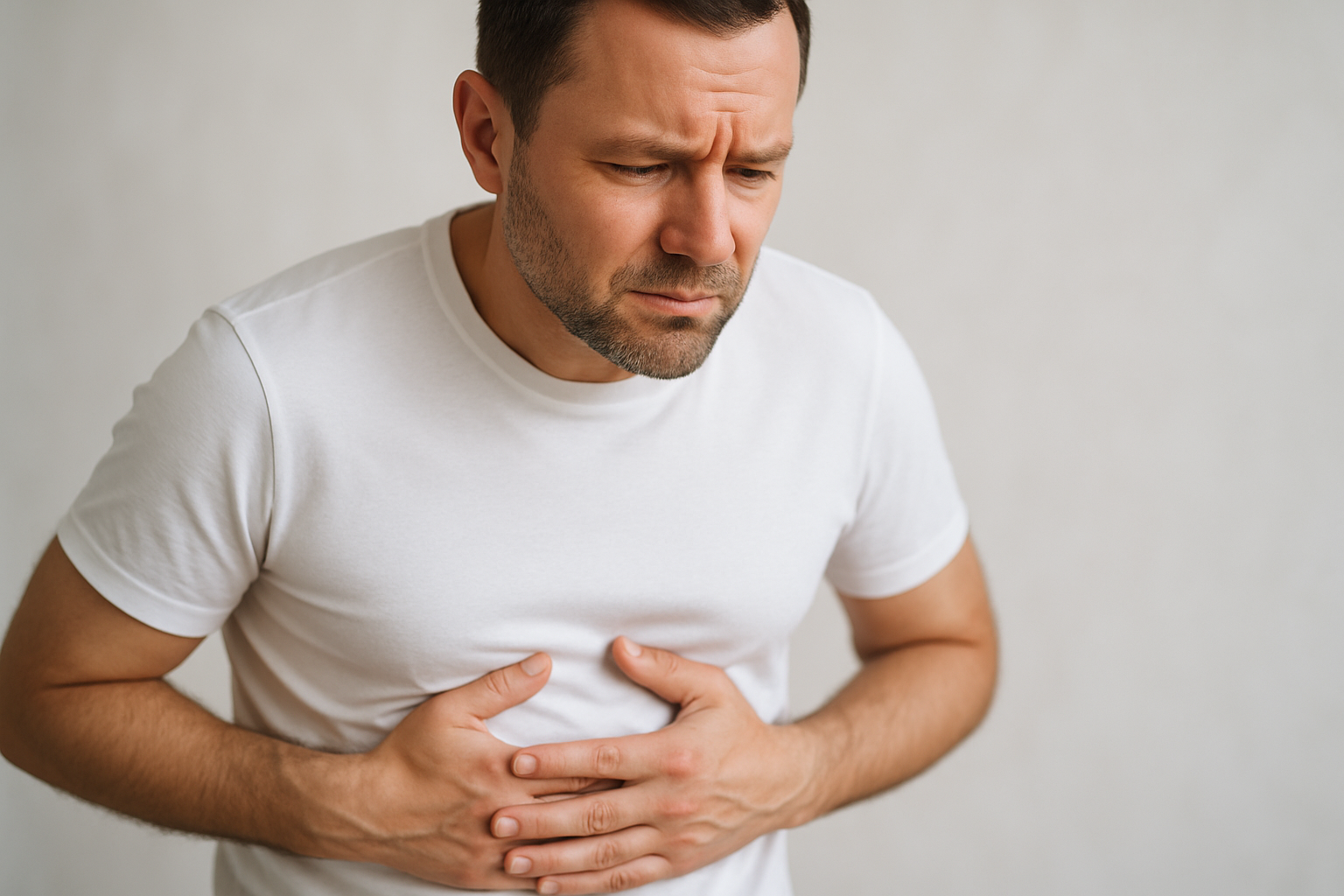
While talking about bladder issues can be embarrassing, always remember your doctor is trained to help you. Let’s look at the symptoms you shouldn’t ignore and when it’s important to make that appointment.
Occasional Leaks vs Ongoing Issues
You may notice occasional light bladder leaks when you cough or after drinking alcohol or caffeine.16 If this becomes persistent, it’s important to let your doctor know, as it could point to an underlying condition, such as an enlarged prostate.16
Urgency, Frequency, and Nighttime Urination
If you need to get up to pee several times a night or you’re experiencing frequent peeing and urgency together with pain, it’s advisable to see your doctor. This is also the case if symptoms get worse after starting treatment.9,17
Weak Urine Flow
A persistent slow stream, or if this worsens over time,18 is an indication that something’s not quite right. An enlarged or inflamed prostate could restrict urine flow and may also cause incomplete bladder emptying, urinary urgency, and frequency.19
Diagnosing Bladder Problems in Men
At your appointment, your doctor may ask you questions about your bladder health, medications you’re taking, past surgeries, and medical conditions before performing physical examinations and running tests.6
Tests and Assessments You May Be Offered
During your physical examination, your doctor will examine your body systems based on the answers you gave previously.6 Based on their findings and information you share with them, your doctor could order medical tests used to diagnose incontinence like:6
- Urine tests: To check for urinary tract infections and blood in the urine
- Post-void residual volume: To check if your bladder is emptying completely
- Bladder ultrasound: To see if any urine stays behind in the bladder.
- Bladder diary: Your doctor might ask you to keep a bladder diary for 24 to 72 hours to record when and how much you pee.
Regular check-ups are vital to your health and well-being. We’ve got useful information you may need to help you prepare for medical tests used to diagnose incontinence in men.
Managing Male Bladder Health Through Lifestyle Changes
Protecting bladder health and managing bladder problems in men is possible with simple, everyday lifestyle changes.
Pelvic Floor Exercises for Men
Pelvic floor exercises could strengthen the muscles that support bladder control, helping reduce leaks and urinary frequency over time.1
Fluid Management
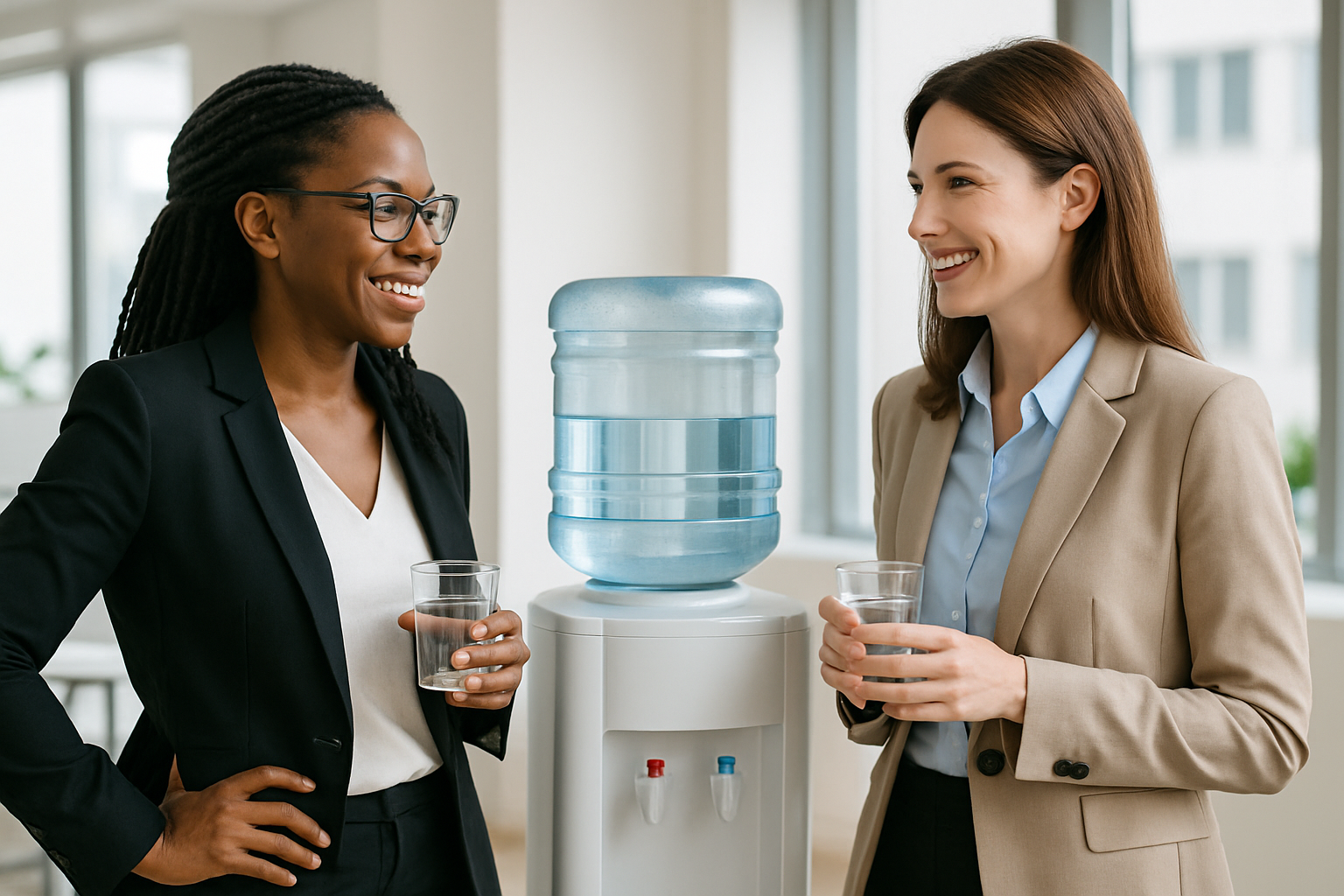
Hydration and your bladder are closely connected, and maintaining good fluid intake also supports healthy bowel function.1,20 Being well hydrated helps to keep stools soft and easier to pass, preventing constipation.20 It may also help prevent bladder irritation that can make urinary frequency or nocturia worse.1
Eat a Healthy Diet
Avoiding certain foods and drinks like alcohol and caffeine may help reduce urinary urgency and frequency.1,6 These beverages can worsen bladder leaks because they act as diuretics, causing your body to produce more urine.1,6 Some other foods and drinks that irritate your bladder include:1
- Coffee or Tea
- Soda
- Citrus fruits
- Artificial sweeteners
- Carbonated beverages
Avoid Smoking
Smoking can affect your bladder in various ways. Not only does it weaken your pelvic floor muscles, but it also exposes your bladder to nicotine. Nicotine may irritate your bladder lining and make urinary urgency and frequency worse.15, 21
In addition to causing an overactive bladder in men, smoking can also contribute to bladder infections and cancers.21
Using Pads or Protective Underwear for Support
While getting treatment, incontinence products designed for men can help you feel more confident and in control. These products offer various levels of absorbency for your needs. They are also discreet and comfortable to wear.
- Male incontinence guards: They offer extra protection and comfort with a low bulk fit.
- Male incontinence shields: They are slim, discreet, and perfect for light leaks.
- Male incontinence underwear: It looks and feels like your regular underwear and has a high absorbency level.
If you’re experiencing leaks or you’d like to feel protected “just in case,” explore TENA’s full range of products to find your perfect fit.
Choosing incontinence products can be confusing. That’s why we’ve created these guides to help you:
- What is an incontinence pad?
- Find the right male product
- How to wear male pads and shields
- How often should you change male pads?
Living Well with Bladder Issues
Having bladder leaks can be frustrating to talk about or live with. But managing male incontinence is possible with a few adjustments to your daily life.
The good news is that you’ll still be able to remain active to support your physical and mental health. Even with urine leakage, exercise is possible, especially if you do low-impact activities like swimming or walking.
Speaking with your doctor or a trusted counsellor about your bladder issues can provide valuable guidance and support, especially on more challenging days.
With the right care, appropriate treatment, and a few practical lifestyle adjustments, you can continue to have an active, confident, and fulfilling life.
FAQs
What Is the Point of Getting a Bladder Scan If You Know You Have Symptoms?
It’s understandably tiring to undergo tests, but they’re important if you’re already experiencing symptoms.6 Bladder scans help your doctor confirm the type of incontinence you have, so you can receive the right treatment.6
During your appointment, bladder screening tests may also be recommended.22 Even without symptoms, these tests can help detect bladder cancer early, when it’s often easier to treat.22
How To Tell If You Have Bladder or Prostate Issues?
Prostate-related issues could produce similar symptoms to bladder conditions.3,6 For example, both an enlarged prostate and urge incontinence could cause urinary frequency.3,6 Your doctor can find out whether it's your bladder or prostate with the appropriate tests, like a prostate exam.
What Is a Superfood for the Bladder?
While there isn’t one specific superfood, there is a whole range of good-for-your-bladder foods that you can have, including:23
- Pears
- Green beans
- Squash
- Bananas
- Eggs
- Potatoes
- Nuts
- Whole grains
Want to know more about food and drinks that support bladder health? Here is a comprehensive list to get you started.
How Do Bladder Cancer Symptoms Differ In Men?
Bladder cancer symptoms in men are similar to those in women.24 In the early stages, bladder cancer could resemble other conditions of the bladder or prostate or other diseases.24
For example, bladder cancer can cause excessive urination, which can also occur when you have diabetes.24 This is why it’s important to see your doctor for the right diagnosis, treatment and support.
References
1. Lukacz ES, Sampselle C, Gray M, MacDiarmid S, Rosenberg M, Ellsworth P, et al. A healthy bladder: a consensus statement. International Journal of Clinical Practice. 2011 Sep 16;65(10):1026–36.
2. Verstegen AMJ, MJ A. Chapter 7 - Effect of Androgens and Estrogens on bladder/lower Urinary Tract Function. Elsevier; 2023.
3. Whalen R. The Connection Between Prostate Health and Bladder Function [Internet]. urologyconferences.com. 2025. Available from: https://urologyconferences.com/the-connection-between-prostate-health-and-bladder-function/
4. Urologyjournal. Men vs. Women – How Gender Differences Shape Urological Wellness - Urology Journal [Internet]. Urology Journal. 2025 [cited 2026 Feb 9]. Available from: https://www.urologyjournal.org/how-gender-differences-shape-urological-wellness/
5. 24.5A: Overview of Urine Transport, Storage, and Elimination [Internet]. Medicine LibreTexts. 2018. Available from: https://med.libretexts.org/Bookshelves/Anatomy_and_Physiology/Anatomy_and_Physiology_(Boundless)/24%3A__Urinary_System/24.5%3A__Urine_Transport_Storage_and_Elimination/24.5A%3A_Overview_of_Urine_Transport_Storage_and_Elimination
6. Leslie SW, Tran LN, Puckett Y. Urinary Incontinence [Internet]. Nih.gov. StatPearls Publishing; 2024. Available from: https://www.ncbi.nlm.nih.gov/sites/books/NBK559095/
7. Incontinence of urine [Internet]. www.baus.org.uk. Available from: https://www.baus.org.uk/patients/conditions/5/incontinence_of_urine
8. Cleveland Clinic. Kidney Stones: Symptoms, Causes, Diagnosis, Treatment & Prevention [Internet]. Cleveland Clinic. Cleveland Clinic; 2021. Available from: https://my.clevelandclinic.org/health/diseases/15604-kidney-stones
9. Cleveland Clinic. Nocturia [Internet]. Cleveland Clinic. 2020. Available from: https://my.clevelandclinic.org/health/diseases/14510-nocturia
10. Markham Heid. Urinary Tract Infections in Men [Internet]. WebMD. WebMD; 2019. Available from: https://www.webmd.com/men/urinary-tract-infection-in-men
11. Cleveland Clinic. Urinary tract infections [Internet]. Cleveland Clinic. 2023. Available from: https://my.clevelandclinic.org/health/diseases/9135-urinary-tract-infections
12.Cleveland Clinic. Urinary Retention Causes & Treatment [Internet]. Cleveland Clinic. 2024. Available from: https://my.clevelandclinic.org/health/diseases/15427-urinary-retention
13. Cancer Research UK. Bladder problems after treatment for prostate cancer | Cancer Research UK [Internet]. www.cancerresearchuk.org. 2022. Available from: https://www.cancerresearchuk.org/about-cancer/prostate-cancer/practical-emotional-support/bladder-problems
14. WebMD Editorial Contributors . What Causes Urinary Incontinence in Men? [Internet]. WebMD. 2025. Available from: https://www.webmd.com/urinary-incontinence-oab/causes-urinary-incontinence-men
15. Burgio KL, Newman DK, Rosenberg MT, Sampselle C. Impact of behaviour and lifestyle on bladder health. International Journal of Clinical Practice. 2013 May 16;67(6):495–504.
16. Should I Be Worried About Urine Leakage Problems? [Internet]. Modern Urology, Colorado. 2025 [cited 2026 Feb 11]. Available from: https://modernurology.com/should-i-be-worried-about-urine-leakage-problems/
17. Urinary Urgency and Frequency - What You Need to Know [Internet]. Drugs.com. 2025. Available from: https://www.drugs.com/cg/urinary-urgency-and-frequency.html
18. Why Does My Pee Come Out Slow? Causes and When to See a Doctor [Internet]. Biology Insights. 2025 [cited 2026 Feb 11]. Available from: https://biologyinsights.com/why-does-my-pee-come-out-slow-causes-and-when-to-see-a-doctor/
19. Causes of Weak Urine Stream and Low Flow in Men – Urine Flow problems - Urinary and Bladder Problems [Internet]. Newyorkurologyspecialists.com. 2018 [cited 2026 Feb 11]. Available from: https://www.newyorkurologyspecialists.com/urinary-problems/slow-stream/weak-flow-causes-in-men/
20. Gokhman R. Will Drinking Water Help to Treat Constipation? [Internet]. Healthline. Healthline Media; 2025. Available from: https://www.healthline.com/health/constipation/does-water-help-with-constipation
21. Desert Sky Urology. How Smoking Affects Overactive Bladder - Desert Sky Urology [Internet]. Desert Sky Urology. 2024. Available from: https://desertskyurology.com/blog/how-smoking-affects-overactive-bladder/
22. National Cancer Institute. Bladder Cancer Screening - NCI [Internet]. www.cancer.gov. 2023. Available from: https://www.cancer.gov/types/bladder/screening
23. 10 bladder health superfoods you should incorporate in your diet [Internet]. Urologyspecialist.com.au. 2026 [cited 2026 Feb 11]. Available from: https://urologyspecialist.com.au/10-bladder-health-superfoods-you-should-incorporate-in-your-diet/
24. Jewell T. Bladder Cancer Symptoms in Men and What They Mean For Your Outlook [Internet]. Healthline. Healthline Media; 2022 [cited 2026 Feb 11]. Available from: https://www.healthline.com/health/bladder-cancer/symptoms-of-bladder-cancer-in-men#urinary-problems