Apr 17, 2026
Bladder health in young women doesn't spark many conversations, after all, you’re young and it feels like something to think about later in life. But preventing bladder health problems in women doesn’t start when you’re older; it starts now.
Early healthy bladder habits could shape how your bladder feels and functions over time.1 Prevention is often easier than dealing with problems later.
In this article, we guide you through healthy bladder habits that could support long-term bladder health.
Why Bladder Health Matters for Young Women
In your 20s and 30s, your body goes through changes that could affect urinary health.1,2,3
Life events and lifestyle factors, such as pregnancy, weight changes, and high-impact activities like jumping, could affect your pelvic and bladder health.2,3,4
Your bladder is a muscular organ, just like your heart, so it needs attention early in life.1 Healthy habits in your 20s and 30s could support bladder strength and help reduce the risk of leaks later on.1
What to Focus on For Your Bladder Health in Your 20s And 30s
Looking after and prioritizing your urinary health in your 20s and 30s should begin with these long-term bladder health habits. Your future self will thank you.
Smart Hydration Habits
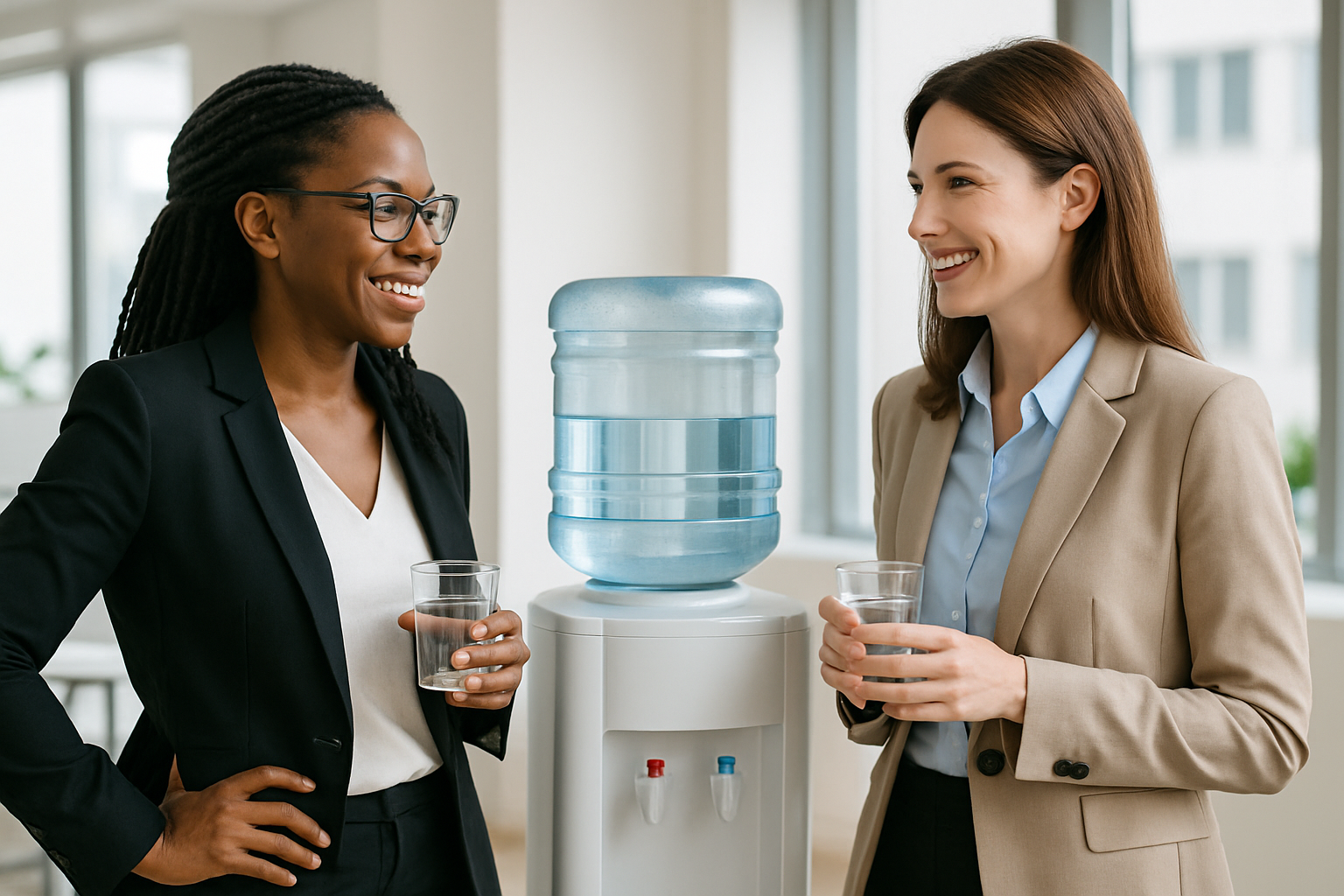
Staying hydrated is important for your bladder health.1 Being dehydrated may irritate your bladder, which could make you feel sudden urges to pee or increase infection risk.1
Simple habits, like sipping water throughout the day and limiting excessive caffeine or alcohol, could help protect your bladder over time.1,5
Pelvic Floor Awareness and Strength
Pelvic floor exercises for women, AKA Kegels, could help strengthen the muscles that support your bladder and help prevent incontinence especially after pregnancy.2
You could do simple exercises at home or on the way to work.6 Try squeezing your pelvic floor muscles for 10 seconds, then relaxing them, four times a day.6
Some people find it helpful to gently stop their pee midstream to feel the muscles, but it’s important not to make this a regular habit, as it may increase your risk of infection.6
With regular practice, these exercises could support your bladder strength over time.6
Exercise and Bladder Health
Daily exercise could help strengthen your pelvic floor and support bladder control.1 When choosing a routine, it may be helpful to limit high-impact workouts as they could place extra strain on the pelvic floor over time.4 You should incorporate core-strengthening exercises like Pilates or yoga that could help with pelvic floor health.
Exercise has another benefit: weight loss. If you’re carrying some excess weight, it could place added pressure on your bladder.3 That's why maintaining a healthy weight could also support bladder health and help with overactive bladder prevention.3
Fiber Rich Diet and Bladder Health
Eating a diet rich in fiber could help prevent constipation, which may put extra pressure on your bladder and lead to leaks.1
Some fiber-rich foods you could add to your meals include: 7
- Whole wheat products like breads or pasta
- Whole grain cereals like oatmeal
- Leafy greens like spinach, lettuce, or kale
- Potatoes with the skin on
- A selection of berries like blueberries and strawberries
Why “Just in Case” Peeing Can Backfire
Heading out? Peeing “just in case” might feel like a precaution, but it could affect your bladder function.8 This habit could retrain your bladder over time to hold less pee than usual, which may make you feel sudden urges more often.8
Why You Shouldn’t Hold in Your Pee
There’s also a reverse side of the “just in case” pee. We don’t always get to use the bathroom when we need to. Sometimes a busy day or lack of access means we hold it longer than usual.
But when delaying peeing becomes a habit, it could stretch and weaken your bladder over time.1
Signs of Bladder Weakness in Young Women
Even if you’re young, you may still experience bladder weakness. A weak bladder in young women could show up with different symptoms, including:
- Frequent peeing: Using the bathroom more than eight times a day.9
- Urgent need to pee: Feeling the urge to go, but only a small amount comes out without an infection.9,11
- Nighttime peeing: Waking up more than once during the night to use the bathroom.9
- Bladder leaks: During activities like exercise, laughing, coughing, or sneezing.9
Noticing these signs could help you get support early and keep symptoms from progressing.10
Common Causes of Bladder Issues in Younger Women
Bladder leaks could show up for several reasons. Here are some weak bladder causes in young women:
Pregnancy and Childbirth
Pregnancy and childbirth could bring physical changes that may affect bladder health in young women.2
During pregnancy, the growing uterus puts pressure on the bladder, while labor and delivery can strain the pelvic floor.2
These changes could lead to urgency and frequent bathroom visits, especially in the later months of pregnancy.2
Hormonal Fluctuations
Changes in progesterone and estrogen during your menstrual cycle may affect your bladder, urethra, and pelvic floor. It could cause increased urgency and urinary frequency in young women.12
Chronic Constipation
Persistent constipation could cause stool to build up in the colon.13 A swollen colon could press on your bladder, leading to more trips to the bathroom.13
High-Impact Sports
High-impact sports could increase your stomach pressure, which may repeatedly strain the pelvic floor.4 Over time, this strain could cause leaks during exercise, coughing, or sneezing.4
Urinary Tract Infections (UTIs)
UTIs could irritate and swell the bladder, leading to leaks.14 It’s best to take preventative steps to avoid UTIs and look after your urinary system.
Being Overweight
Extra weight puts pressure on the bladder and could weaken the urethra and pelvic floor muscles, increasing the risk of leaks and urgency.3
Smoking
Chronic coughing from smoking adds pressure on the bladder, and chemicals in smoke may irritate it, causing leaks and frequent peeing.15
While some causes may be temporary, it’s important to get support if incontinence persists.2
How to Strengthen Your Bladder Early
These bladder habits for women could help strengthen your bladder early:
- Regular pelvic floor exercises2
- Maintaining a healthy weight3
- Staying physically active3
- Practicing healthy bathroom habits1,8
- Managing constipation early13
When to Speak to a Doctor
If you notice any of these symptoms, it’s important to speak with your doctor for proper evaluation and support to help prevent them from progressing:10,13
- Persistent urgency or bladder leaks2
- Pain or burning when peeing13
- Recurring UTIs14
- Sudden changes, such as the inability to pee16
Building Lifelong Bladder Confidence
When caring for your health, your bladder should be part of the plan. Prevention through simple daily habits is often easier and may help support bladder health over time.
It may feel overwhelming at first, but small steps today could support a healthier bladder and your overall well-being.
FAQs
What Causes a Weak Bladder in Young Females?
Bladder leaks or urgency could happen due to life stages, lifestyle factors, and health conditions such as pregnancy, UTIs, and high-impact exercise.2,4,15
Why is my Bladder so Weak in my 20s?
Your bladder could feel weak because of factors like the following could condition your bladder overtime:
- Dehydration1
- Excessive coffee or alcohol intake5
- Holding in your pee6
- Delaying bathroom breaks8
How to Strengthen Your Bladder as a Female?
You could strengthen your bladder with these female urinary tips:6
- Regular pelvic floor exercises
- Maintaining a healthy weight
- Gradually training your bladder
At What Age Do Women Start Having Bladder Issues?
Bladder issues could happen at any age, but the risk may increase with pregnancy and age.1,16
How Does Age Affect Bladder Health in Women?
As you approach your 40s and beyond, hormonal changes could thin and weaken the muscles of your urethra and bladder, causing leaks.1
What Are the Common Urinary Problems Women Face?
Some common urinary problems in women may include:
- An overactive bladder14
- UTIs14
- Stress incontinence17
- Urge incontinence17
What Are the Common Causes of Bladder Issue in Women?
Common causes of bladder issues include factors that could lead to pelvic floor weakness, such as:
- Pregnancy2
- Childbirth2
- Menopause1
- Weight gain3
- Chronic coughing15
References
1. Bladder Health Through the Decades: What to Expect as You Age - Alliance Urology [Internet]. Alliance Urology. 2024. Available from: https://allianceurology.com/bladder-health-through-the-decades/
2. How Does Pregnancy Affect the Bladder? - Alliance Urology [Internet]. 2023. Available from: https://allianceurology.com/how-does-pregnancy-affect-the-bladder/
3. Whelan C. Is There a Link Between Obesity and Overactive Bladder? [Internet]. Healthline. 2023. Available from: https://www.healthline.com/health/overactive-bladder/obesity-and-overactive-bladder
4. Khowailed IA, Pinjuv-Turney J, Lu C, Lee H. Stress Incontinence during Different High-Impact Exercises in Women: A Pilot Survey. International Journal of Environmental Research and Public Health [Internet]. 2020 Nov 12;17(22). Available from: https://pubmed.ncbi.nlm.nih.gov/33198262/
5. Johnson J. Overview of dehydration: What to know, drink types, and tips [Internet]. www.medicalnewstoday.com. 2021. Available from: https://www.medicalnewstoday.com/articles/dehydrating-drinks
6. WebMD Editorial Contributors. Types of Urinary Incontinence [Internet]. WebMD. 2024. Available from: https://www.webmd.com/urinary-incontinence-oab/types-of-urinary-incontinence
7. National Cancer Institute. High-Fiber Foods [Internet]. Cancer.gov. 2024. Available from: https://www.cancer.gov/about-cancer/treatment/side-effects/nutrition/high-fiber-foods
8. Controlling Your Bladder Urges with Bladder Training [Internet]. Urotoday.com. 2024. Available from: https://www.urotoday.com/library-resources/bladder-health/145004-controlling-your-bladder-urges-with-bladder-training.html
9. Incontinence – Overview of Information and Clinical Research [Internet]. European Clinical Trials Information Network. 2025 [cited 2026 Mar 9]. Available from: https://clinicaltrials.eu/disease/incontinence/#symptoms
10 Incontinence – Life with Disease – Overview of Information and Clinical Research [Internet]. European Clinical Trials Information Network. 2025 [cited 2026 Mar 10]. Available from: https://clinicaltrials.eu/disease/incontinence/incontinence-life-with-disease/
11. Overactive Bladder [Internet]. ICS. 2026 [cited 2026 Mar 9]. Available from: https://www.ics.org/public/factsheets/overactivebladder?
12. Fosnight A. Why bladder symptoms often worsen before and during menstruation [Internet]. Urologytimes.com. 2025. Available from: https://www.urologytimes.com/view/why-bladder-symptoms-often-worsen-before-and-during-menstruation
13. Ames H. Are constipation and frequent urination related? [Internet]. Medicalnewstoday.com. Medical News Today; 2025 [cited 2026 Mar 9]. Available from: https://www.medicalnewstoday.com/articles/can-constipation-cause-frequent-urination#causes-of-constipation
14. Fletcher J. Can a UTI cause incontinence? Symptoms and treatment [Internet]. www.medicalnewstoday.com. 2020. Available from: https://www.medicalnewstoday.com/articles/uti-and-incontinence#the-connection
15. Desert Sky Urology. How Smoking Affects Overactive Bladder - Desert Sky Urology [Internet]. Desert Sky Urology. 2024. Available from: https://desertskyurology.com/blog/how-smoking-affects-overactive-bladder/
16. National Institute of Diabetes and Digestive and Kidney Diseases. Symptoms & Causes of Urinary Retention | NIDDK [Internet]. National Institute of Diabetes and Digestive and Kidney Diseases. 2019. Available from: https://www.niddk.nih.gov/health-information/urologic-diseases/urinary-retention/symptoms-causes
17. Marcin A. Urinary Incontinence in Women: Types, Treatments, and Outlook [Internet]. Healthline. 2023. Available from: https://www.healthline.com/health/incontinence-in-women#what-it-is