Mar 20, 2026
If you’re dealing with bladder pain, it’s easy to assume it’s a urinary tract infection (UTI). That’s a completely understandable first thought. Many people experience UTIs, so they’re often top of mind when symptoms appear.
But sometimes, it could be a condition called interstitial cystitis (IC). While these conditions have similar symptoms, they have very different causes and patterns.1
Let’s take a closer look at interstitial cystitis vs. UTI, so you can understand what’s going on, get the right care at the right time, and feel more confident managing your bladder health.
Interstitial Cystitis vs. UTI Fast Facts
IC vs. UTI symptoms can feel confusingly similar ― bladder pain, urinary urgency, and frequent peeing are common in both. But there are some key differences between interstitial cystitis and UTIs, and how they are treated.
IC is a chronic bladder condition1 where your symptoms are ongoing. It’s typical to have symptoms for as long as six weeks². Your doctor will take this duration into consideration and rule out any other possible causes through a urine test (with a negative result) to diagnose you.2 Treatment involves taking medication and making some lifestyle changes, but unfortunately symptom relief isn’t instant and could take months.2
A UTI is an infection you get in your urinary tract,1 with the symptoms coming on suddenly, sometimes within 48 hours after you’ve been infected.3 Your doctor confirms a UTI through a positive urine test,3 and the treatment approach is a course of antibiotics. Depending on the type of infection you have, and a few other factors, it could already clear up within a few days to two weeks.3
What is a Urinary Tract Infection (UTI)?
When bacteria travel up the urethra into the bladder, this causes an infection with redness and swelling.1 This could lead to symptoms like:
- Urinary urgency1
- A burning feeling while peeing1
- Cloudy urine1
- Bladder pressure and pelvic pain1
- Urinary incontinence5
UTIs are more common in women and can feel uncomfortable and disruptive.5 Understanding why they happen is a first step to being able to prevent them.
What is Interstitial Cystitis?
You may be asking yourself, “is interstitial cystitis a UTI?” and the answer is no. Let’s explain why.
Interstitial cystitis, also called bladder pain syndrome, is a condition where you have chronic bladder inflammation and urinary symptoms like:1
- Painful urination without infection
- Sudden urgency even when the bladder isn’t full (also called urge incontinence)
- Frequency
- Pain while having sex2
These symptoms tend to come and go.2 And because they overlap with UTIs and other bladder conditions, that’s the reason doctors first check for a negative urine culture to eliminate other causes.1
Symptoms may also flare and settle unpredictably, which is why your care might focus on supporting your daily comfort rather than a single, fixed solution.1
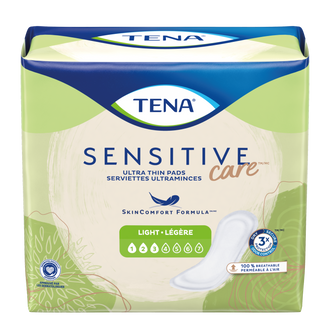
If you’re experiencing urinary incontinence, you deserve products you can rely on for comfort and confidence. Our range of incontinence products includes designs tailored for both men and women.
What Causes UTIs and Interstitial Cystitis?
The cause of UTIs is quite straightforward: it’s because bacteria have entered the urinary tract.1 But this is not the case with interstitial cystitis.1
The causes of IC are not fully understood, and they are probably due to many factors, including:2
- Immune response changes
- Bladder lining issues
- Increased nerve sensitivity
- Scarring of the bladder tissue (fibrosis)
- Chronic stress
Can You Prevent IC?
While you can’t always prevent IC, small steps like these can help and you can also calm flare-ups:2
- Keep a diary of foods and drinks to see if anything triggers your symptoms and then try to avoid them.
- Limit common bladder irritants like alcohol, caffeine, fizzy drinks, and coffee.
- Practice relaxation, meditation, or mindful exercises.
- See a trained professional for pelvic floor therapy (if your doctor recommends it).
- Adjust your fluid intake with your doctor’s guidance.
- Use a hot-water bottle or ice pack over the bladder area to ease discomfort.
- Avoid tight clothing and manage constipation
- Follow your doctor’s treatment plan.
Can You Prevent UTIs?
Unlike IC, UTIs are preventable with simple everyday habits, including:5
- Regularly changing period products, such as pads and tampons.
- Drinking plenty of water as your doctor recommends.
- Not holding in urine for long periods.
- Peeing before and after sex.
- Using a water-based lubricant for sex.
- Wearing cotton underwear.
Completing your course of antibiotics as prescribed by your doctor. This helps fully clear the infection and may reduce the risk of recurring UTI symptoms.
Preventing UTIs for a loved one could look a little different. Our article on UTI prevention and treatment for caregivers goes in-depth about how to help your loved ones feel more comfortable and in control.
When to Talk to Your Doctor
Noticing new or worsening symptoms is always worrying, but you shouldn’t ignore symptoms like:
- Fever5
- Back pain5
- Vomiting5
- Persistent symptoms like bladder pain7
- Repeated negative urine tests with ongoing discomfort8
These signs mean it’s important to see your doctor, who can diagnose the problem, help you with your symptoms, and prescribe the right treatment.
FAQs
Can Interstitial Cystitis Cause Fever?
A fever is not a common symptom of interstitial cystitis, and could be caused by other conditions, like a UTI.5 If you have a fever, don’t ignore it; book an appointment with your doctor.
Where Does it Hurt When You Have a UTI or Interstitial Cystitis?
Both these conditions often cause pain in the bladder and stomach.9
With interstitial cystitis, you might also feel discomfort between your genitals and anus, or lower down in your stomach.2
How Do I Know if It's IC or a UTI?
Symptoms of interstitial cystitis usually last for at least six weeks.2 Even with this clue, only your doctor can confirm a diagnosis, so it’s important to see him/her.
References
1. United Urology. Oh, My Aching Bladder: Is It A UTI or IC? - Chesapeake Urology [Internet]. United Urology. 2019. Available from: https://www.unitedurology.com/chesapeake-urology/blogs-news/2019/january/oh-my-aching-bladder-is-it-a-uti-or-ic-/
2. Lim Y, Leslie SW, O’Rourke S. Interstitial Cystitis/Bladder Pain Syndrome [Internet]. PubMed. Treasure Island (FL): StatPearls Publishing; 2024. Available from: https://pubmed.ncbi.nlm.nih.gov/34033350/
3. How Long Does It Take for a UTI to Show? [Internet]. Biology Insights. 2025 [cited 2026 Feb 2]. Available from: https://biologyinsights.com/how-long-does-it-take-for-a-uti-to-show/
4. Kelly Burch. How Long UTIs Last: Mild to Severe Infection [Internet]. Verywell Health. 2024. Available from: https://www.verywellhealth.com/how-long-does-a-uti-last-8729251
5. Cleveland Clinic. Urinary tract infections [Internet]. Cleveland Clinic. 2023. Available from: https://my.clevelandclinic.org/health/diseases/9135-urinary-tract-infections
6.Interstitial Cystitis: Symptoms, Treatment, and Management [Internet]. Kansas University Urology. 2024 [cited 2026 Feb 3]. Available from: https://urologyku.com/conditions-and-treatments/interstitial-cystitis/
7. Interstitial Cystitis-Interstitial cystitis - Symptoms & causes - Mayo Clinic [Internet]. Mayo Clinic. 2021 [cited 2026 Feb 3]. Available from: https://www.mayoclinic.org/diseases-conditions/interstitial-cystitis/symptoms-causes/syc-20354357%20
8. Team PainAssist. What Happens to Untreated Interstitial Cystitis & When to Go to Doctor for It? - Epainassist - Useful Information for Better Health [Internet]. Epainassist - Useful Information for Better Health. 2020 [cited 2026 Feb 3]. Available from: https://www.epainassist.com/pelvic-pain/urinary-bladder/what-happens-to-untreated-interstitial-cystitis
9. Frassetto LA. Nonbacterial and Noninfectious Cystitis Clinical Presentation: History [Internet]. Medscape.com. Medscape; 2024 [cited 2026 Feb 3]. Available from: https://emedicine.medscape.com/article/2056602-clinical