Jun 07, 2024
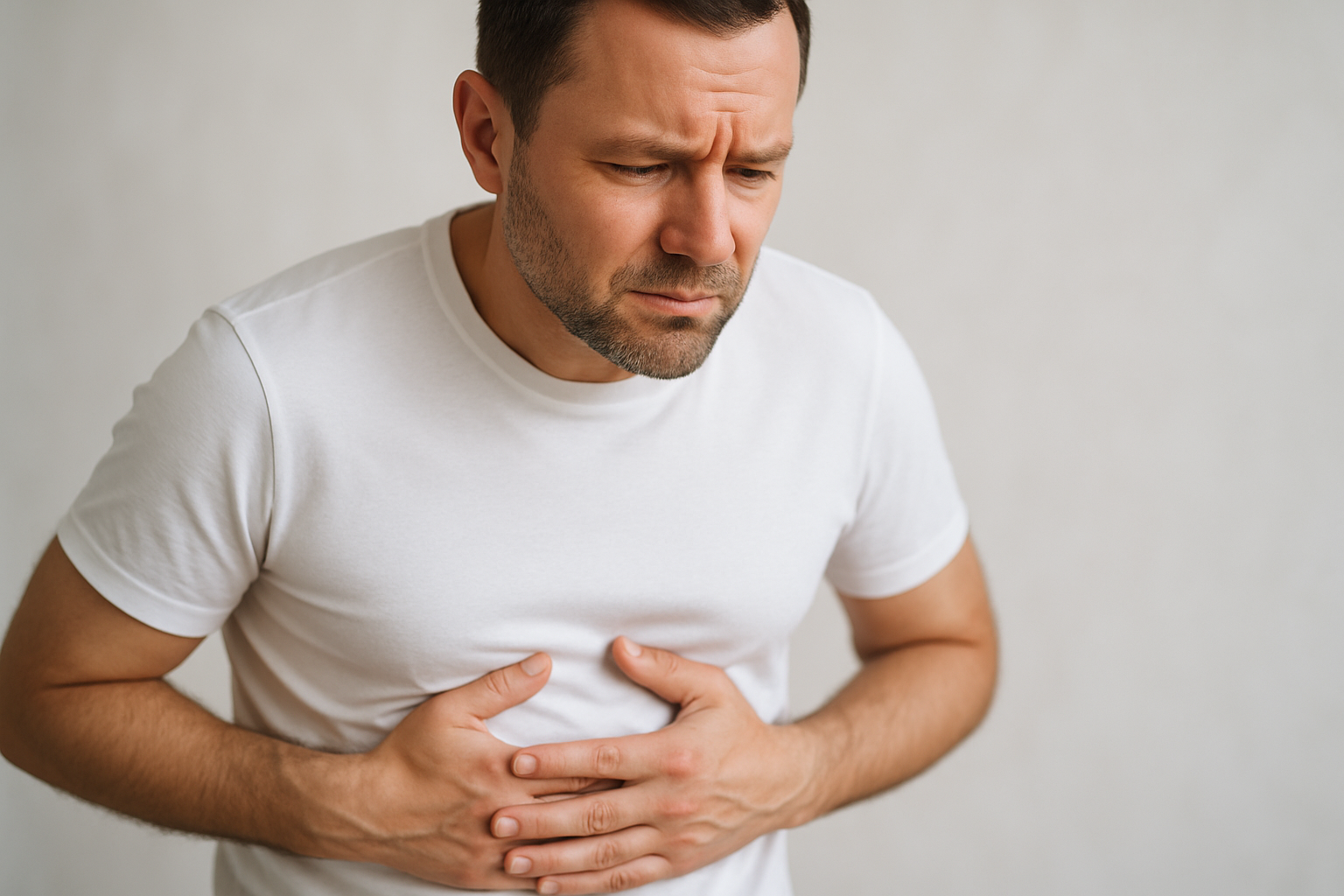
If you’re looking up “what is incontinence?” because of bladder control challenges, you’re not the only one. Many people experience bladder leaks at some point in their lives and can feel embarrassed, worried or even frustrated.
Incontinence looks different for everyone and can range from occasional dribbles to not getting to the bathroom in time.1
Understanding the causes and the type of incontinence you may be experiencing can make it easier to manage your symptoms and take back control.
In this article, we discuss the main types of incontinence, the causes, and share some practical tips to help you live your life with confidence.
What is urinary incontinence?
Urinary incontinence, or bladder leakage, means the unintentional leaking of urine. There are several types, including stress urinary incontinence, mixed urinary incontinence, and urge urinary incontinence.1 These types of incontinence also have different symptoms.
Leaking can affect how you feel about your personal hygiene and your quality of life, and if you notice symptoms, it's best not to ignore them. Talk to your doctor, who can diagnose which type of incontinence you have and help you with treatment and management.
Types of Adult Incontinence
Knowing what the types of incontinence are, will give you the information you (and your doctor need) for a successful diagnosis and management. Let’s look at how the types differ.
Stress urinary incontinence
Stress urinary incontinence is when there’s pressure on your bladder and you leak urine. This can happen when you’re coughing, sneezing, or laughing.1 It's the most common type among women but it’s rarer among men.1
Urge urinary incontinence
As its name suggests, this type is about the sudden urge to pee.1 The amount of urine leaked can vary from dribbles to a complete emptying of the bladder.
Urge urinary continence has several different causes, including an enlarged prostate, urinary tract infection or too much fluid intake.1 Because of this wide range of possible causes, a proper diagnosis from a healthcare professional is recommended.
Mixed urinary incontinence
This is a combination of stress urinary incontinence and urge urinary incontinence.1 It means you can leak when exerting yourself, as described above, and you can also experience sudden urges to pee.
Overflow urinary incontinence
This happens when the bladder can’t empty completely.1 Every time you pee, a small amount is left behind in your bladder, and it gradually fills with this residual urine.
The most common reason for overflow urinary incontinence is a blockage in the urethra, for example, when you have an enlarged prostate.1 Another cause can be a bladder that doesn’t fully empty because the muscles can’t contract properly.2
Neurological Bladder Disorder
This disorder can happen when the brain, spinal cord, or nerves that control the bladder are damaged, such as after a stroke, an injury, or with conditions like multiple sclerosis or Parkinson’s disease.1 It can lead to problems with bladder control or urination.
Post-micturition dribble
Post-micturition dribble is when a small amount of urine leaks out shortly after leaving the bathroom because it has stayed behind in the urethra. It’s more common in men, and sometimes gently pressing on the area just behind the scrotum (the perineum) can help empty any remaining urine. Women can also experience it, especially if the muscles supporting the urethra are weak.
Functional urinary incontinence
Functional incontinence is when you can’t get to the bathroom in time because of physical challenges, age, or your surroundings.1 For example, it can happen if clothing is hard to remove quickly or moving from a wheelchair to the toilet takes too long.
Other factors can include vision difficulties, changes in memory or thinking, or even everyday obstacles like a bathroom that’s far away or a hard-to-reach light switch.2

Typical Symptoms of Urinary Incontinence
Incontinence symptoms can range from occasional leaks to more frequent ones that could impact your daily life.1 They may also be sudden, temporary, or they could persist.2
Some bladder symptoms that could point to incontinence include:1
- Leaks during everyday actions like coughing (stress incontinence)
- A sudden, strong urge to urinate (urge incontinence) leading to leaks
- Difficulty fully emptying your bladder or constant dribbling (overflow incontinence)
- Frequent peeing during the day
- Waking up at night to pee (nocturia)
If you’re experiencing drips and dribbles, or you’re managing incontinence, you may have wondered if there’s a difference between occasional leaks vs chronic incontinence? We decode these conditions for you.
Typical Causes of Urinary Incontinence
Bladder leaks can happen for several reasons, from everyday lifestyle habits to underlying health conditions.1,2,3 Some common causes of incontinence include:
Physical Changes
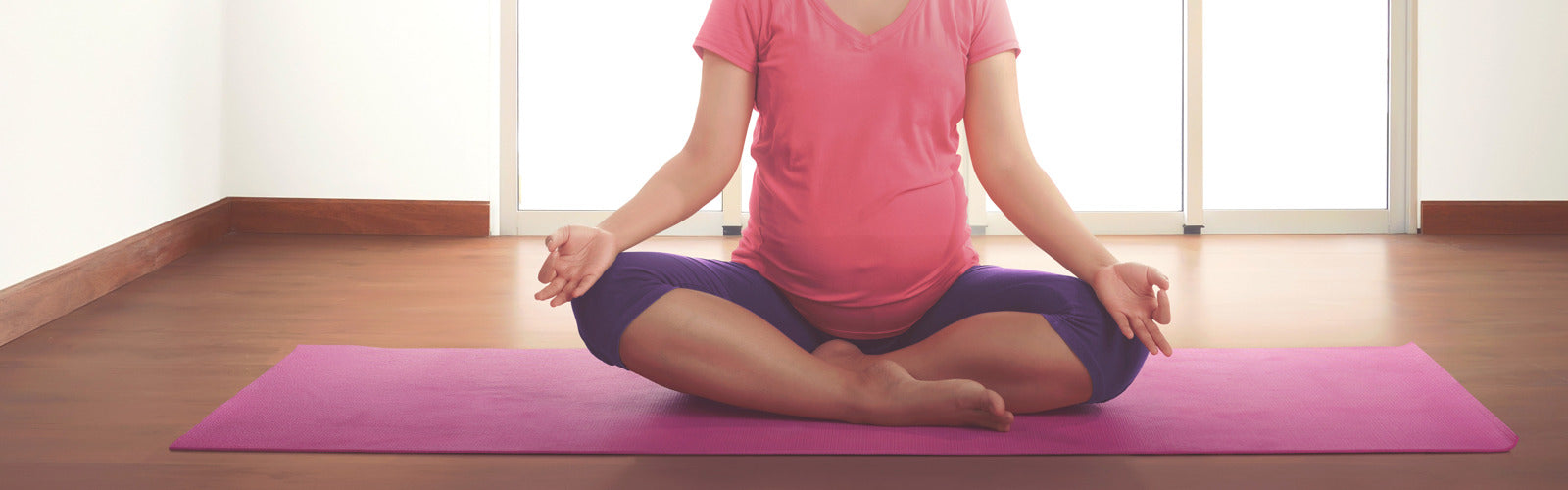
Life stages like pregnancy, childbirth, aging, and menopause can affect bladder control.1 These changes may weaken pelvic floor muscles or shift hormone levels.1
Underlying Medical Conditions
Conditions such as an enlarged prostate, prostate cancer, diabetes, constipation, or neurological disorders like multiple sclerosis could affect how the bladder stores or releases urine.1,3
Lifestyle Factors
Smoking, ongoing constipation, limited physical activity, diet choices, and excess weight could increase pressure on the bladder and cause leaks.1,3
Some of these lifestyle factors like alcohol, or caffeine could trigger the bladder, worsening how incontinence shows up over time. 1,3
How Is Incontinence Diagnosed?
Your doctor’s appointment may include one or more of the following tests or procedures to help diagnose you properly:4
Medical History
Your doctor may ask about your current health, past surgeries, and daily habits.4 Your answers to these questions help your doctor understand the type, severity, and duration of your bladder leaks.4
Physical Examination
Based on your history, your doctor may carry out a simple physical exam to check for possible underlying causes.4
Laboratory Tests
These tests are usually straightforward and minimally invasive.4 They help rule out other conditions that could be affecting your bladder.4 For example, a urine test checks for signs of infection, blood, glucose, or protein in your urine.4
Keeping a bladder diary before your appointment can be really helpful to help with your diagnosis. It’s a simple way to track your symptoms; how often you go to the bathroom, and any leaks. This information helps your doctor find the right approach for managing your bladder health.
Learn all about tracking your incontinence symptoms effectively by using a bladder diary, including what symptoms and habits to record.
How to Manage Incontinence
Managing incontinence depends on the type and severity of your symptoms, as well as the underlying causes.5 Some easy lifestyle changes can help you stay confident and comfortable, and your doctor may recommend some of the following:5,8
Fluid Management, Not Fluid Restriction
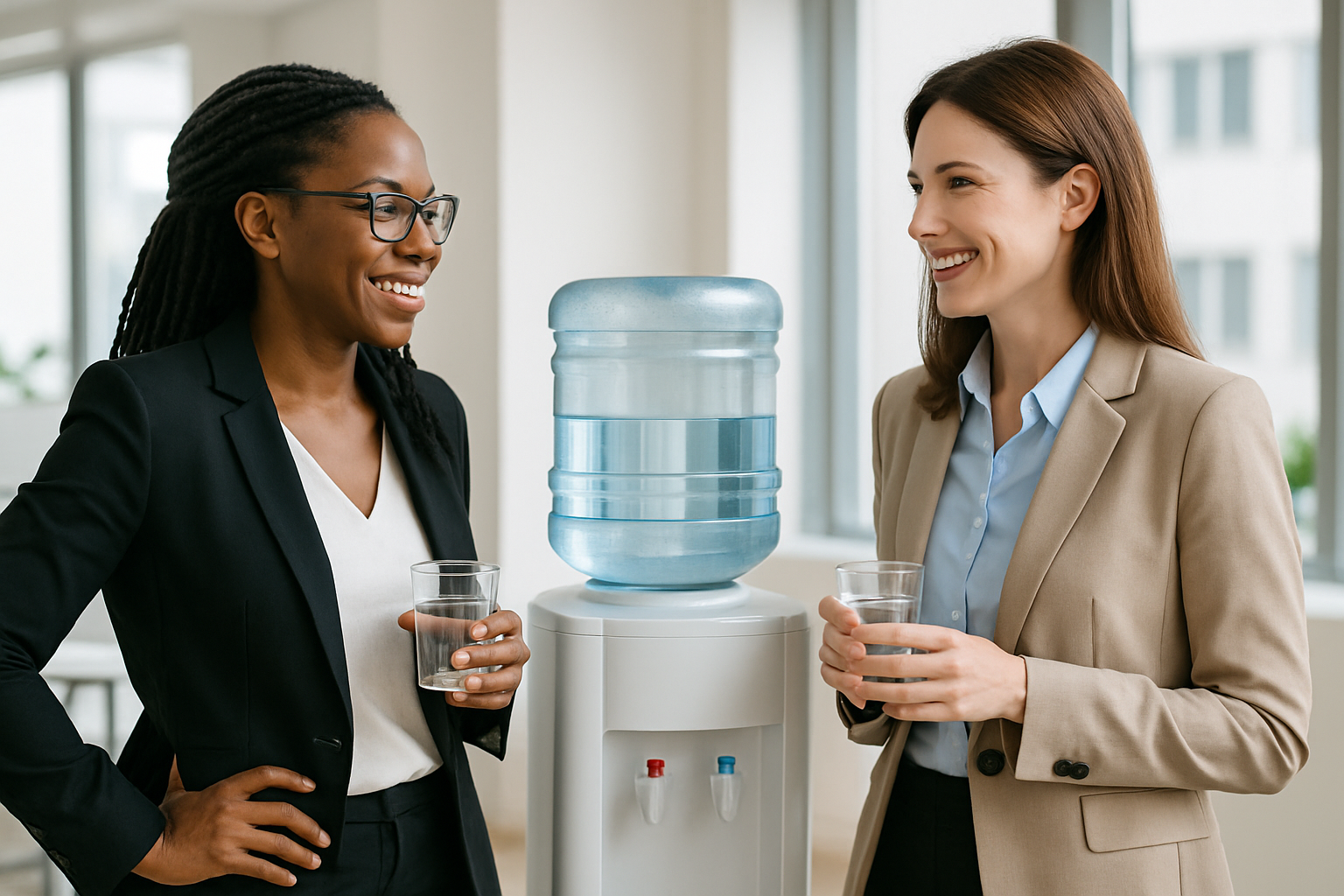
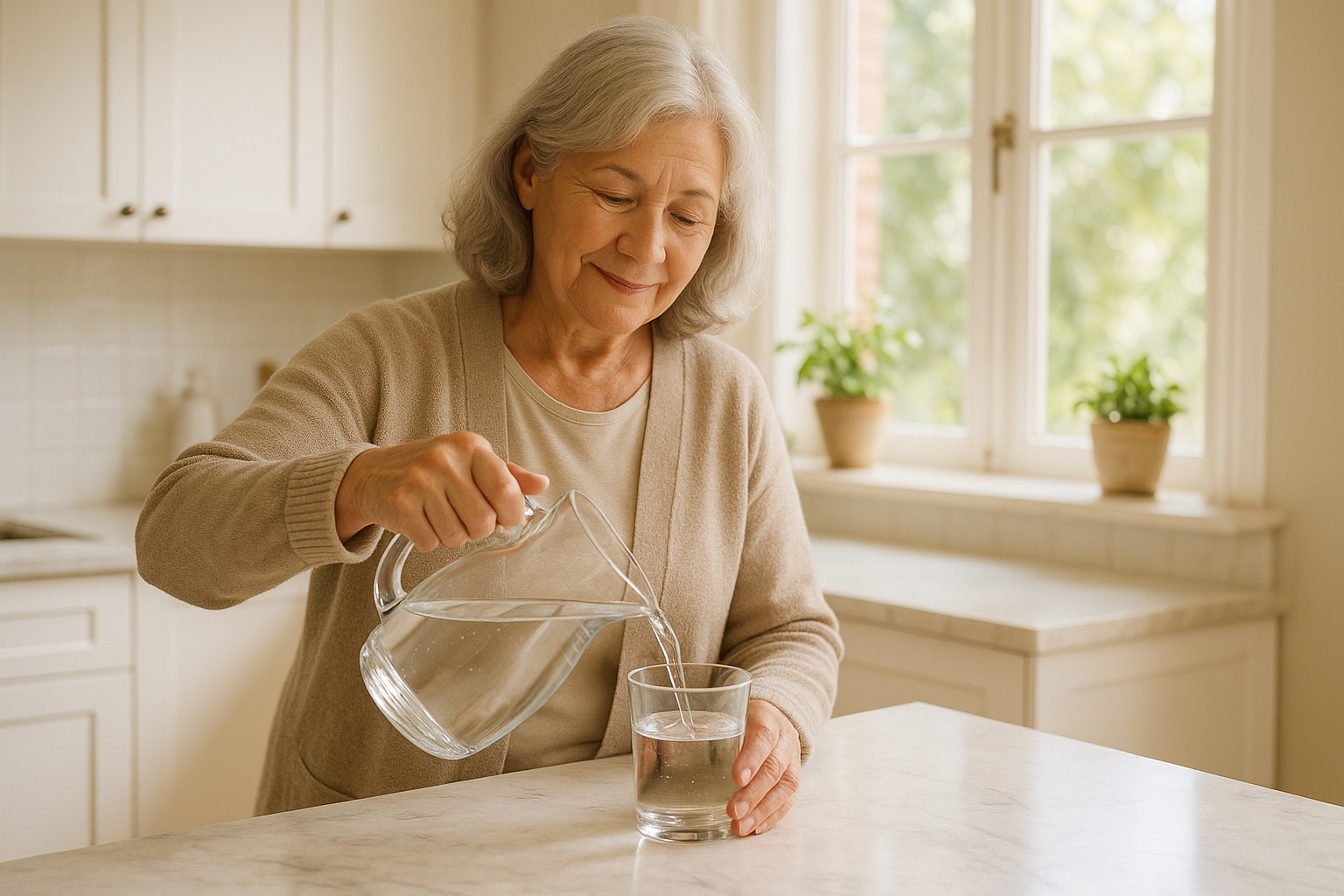
Hydration and bladder health are closely linked.2 While it might seem logical to cut back on fluids to prevent leaks, getting dehydrated can make your urine more concentrated and irritate your bladder.2
Drinking enough water throughout the day is important for bladder health and can even reduce leaks.2 At the same time, it’s a good idea to limit fluids that irritate the bladder, like caffeine and alcohol.2,5
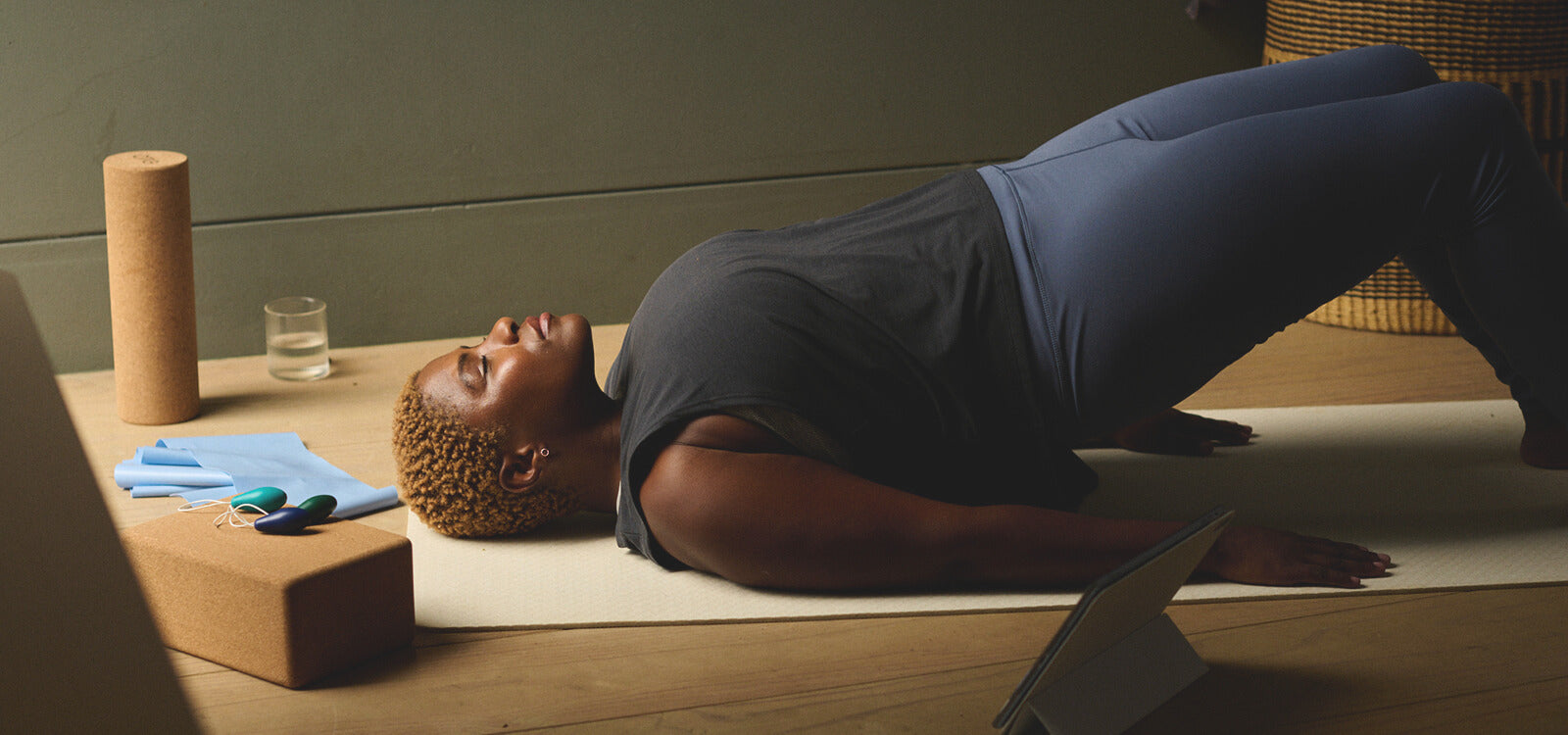
Pelvic Floor Muscle Training (Kegel Exercises)
Your pelvic floor muscles support your bladder and other important organs, helping with bladder control.6 When these muscles get weak, you might notice bladder leaks.2
Regular pelvic floor exercises, like Kegels, could help strengthen them.5 Improvements often occur after a few weeks to months.6
If you want to get started with Kegels, explore our articles on pelvic floor exercises for men or pelvic floor exercises for women.
Aim for a Healthy Weight
Weight loss can help with stress incontinence because extra weight puts pressure on your bladder and pelvic floor muscles, which can lead to leaks when you cough or sneeze.1
Attempting to lose weight can feel challenging, but going slowly, making sustainable lifestyle changes, adding gentle exercise and avoiding extreme diets can make the journey easier.
Prevent and Manage Constipation
Frequent episodes of constipation can lead to straining, which over time may weaken the pelvic floor muscles and affect bladder control.7
Simple steps like these could help keep your bowels healthy:
- Eat fiber-rich meals, like fruits, vegetables, and brown bread.7
- Stay well hydrated throughout the day.7
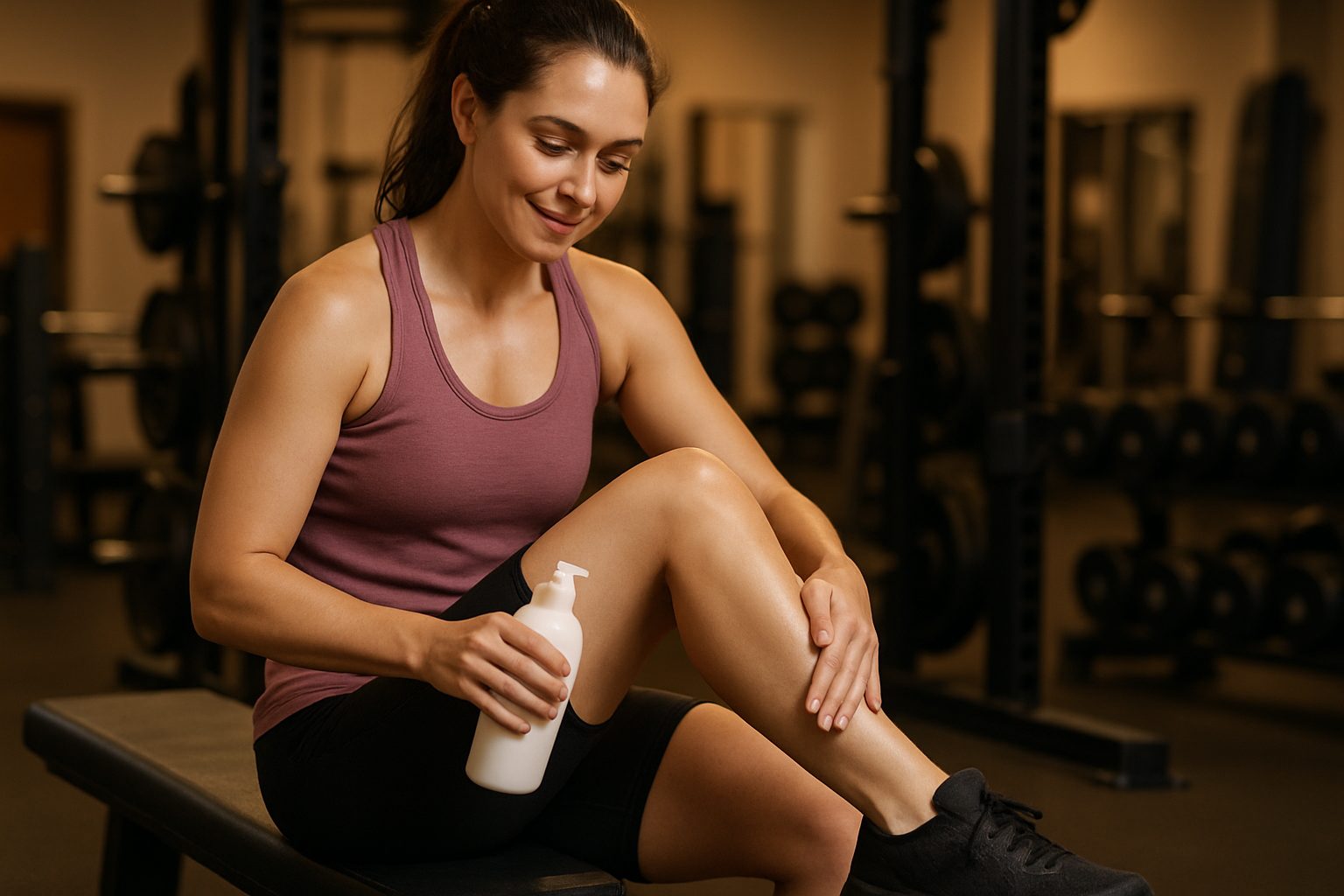
- Move your body regularly.8
- Avoid caffeine and alcohol.8
Avoid (Or Quit) Smoking
Smoking can affect your bladder health and lead to or worsen incontinence.7 Cigarettes contain nicotine and toxins that not only irritate your bladder but can also cause a persistent cough. This repeated coughing could also strain your bladder.7
Quitting isn’t always easy, but the benefits for your bladder health and your overall well-being are worth it. If you need support, your doctor can help guide you toward the right resources and next steps.
Avoid Foods That May Irritate the Bladder
Certain foods and drinks could trigger temporary bladder leaks or worsen an overactive bladder.2,9 Some common bladder irritants include:2
- Alcohol
- Caffeine
- Spicy foods
- Carbonated drinks
- Artificial sweeteners
But you don’t need to cut out all your favorite foods.9 A helpful approach is to note which foods or drinks irritate your bladder and make adjustments.9
Eat Foods That Are Good for Bladder Health
Some foods and drinks for a healthy bladder include:10
- Water-rich fruits and vegetables, like cucumbers
- Foods high in vitamin C, like oranges
- Cranberry juice
- Probiotic-rich foods, like unsweetened yogurt
- Foods rich in omega-3s, like salmon
- Fiber-rich whole foods, like oats and whole grains
Products to Help Manage Incontinence
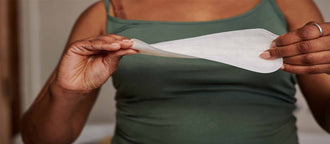
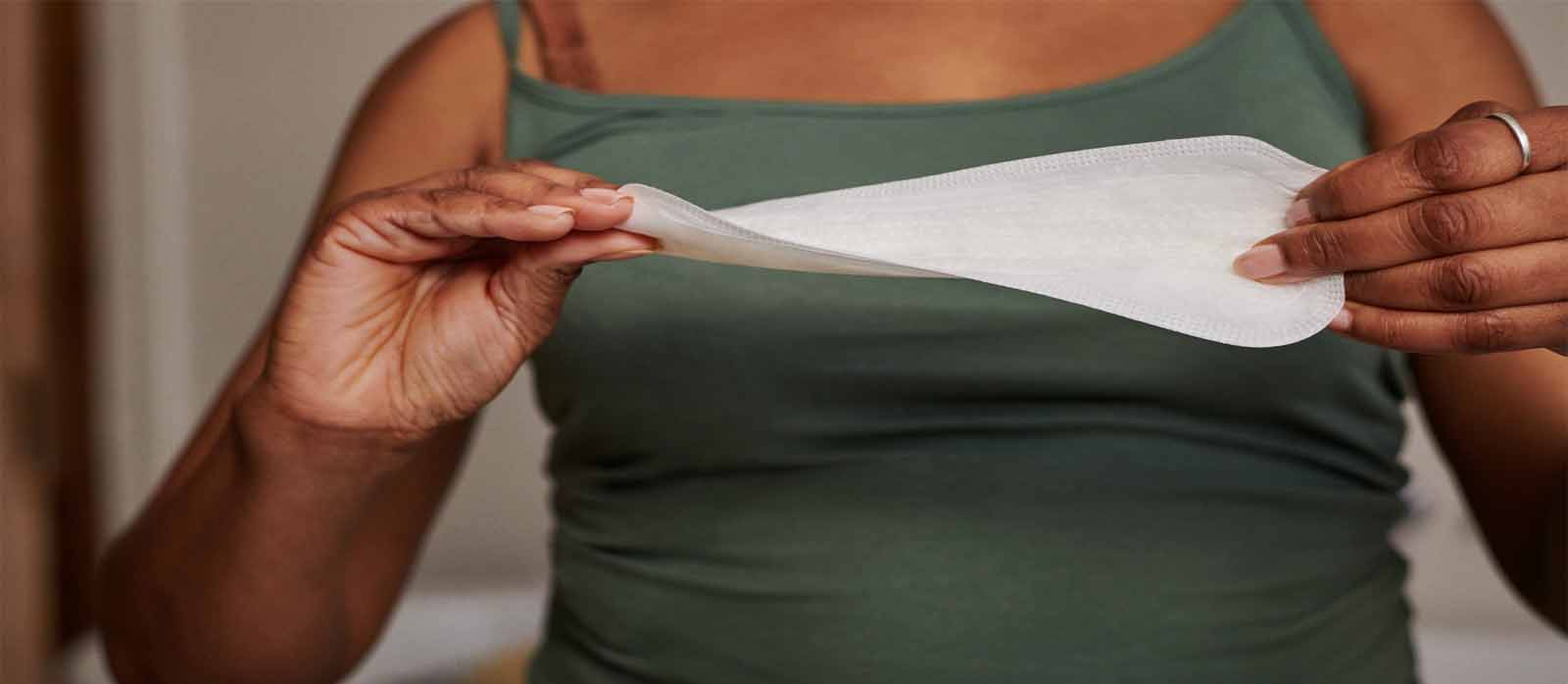
Incontinence products can make everyday life easier while you’re managing leaks. They’re designed to keep you dry, comfortable, and they’re also discreet, so you can go about your day feeling more confident and at ease.
Different types of incontinence products suit different lifestyles, and include:
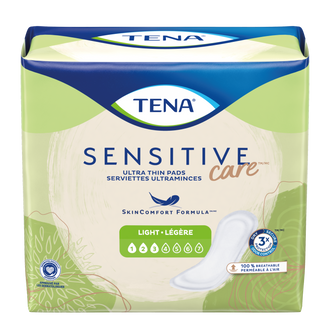
- Female incontinence pads and liners: Designed to fit the female anatomy, providing light to moderate leak protection.
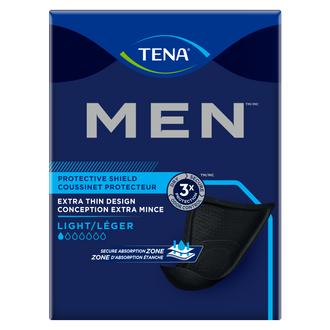
- Male incontinence guards: Designed to fit the male anatomy, providing light to moderate protection.
- Protective underwear: Underwear-like products with a natural feel, providing moderate to heavy protection.
If you’re a caregiver and unsure about when to change someone's product, a little extra support can go a long way. TENA’s range of caregiver products will help you keep your loved one dry and comfortable.
You’re Not Alone
While incontinence can feel isolating, it’s a common condition.4 Millions of Americans live with different types, from urge incontinence to stress incontinence.4
Incontinence has many causes, including lifestyle factors and changes in your pelvic floor strength as you age,2 but you don’t have to struggle in silence or do this alone.
Studies show that four out of every five people with bladder control issues notice a real improvement when they get help.11 The important thing to remember is that incontinence is something you can manage, not just something you have to live with.11
Simple lifestyle changes, early detection and management, and a little support can make a big difference — and your doctor can guide you every step of the way.
FAQs
Can Urinary Incontinence Improve Over Time?
Yes, incontinence could improve over a few weeks to months if you make consistent lifestyle changes, like doing pelvic floor exercises.6 Over time, these exercises strengthen the muscles that support bladder control.6
What Causes Urinary Incontinence in Elderly Patients?
When your patient or loved one is experiencing bladder leaks, it may be due to age-related changes.1 As people age, some individuals’ bladders hold less urine and contract more often, which can lead to leaks.1
While incontinence in the elderly is not a normal part of aging,12 it's treatable with the right support and resources.12
References
1. Mayo Clinic. Urinary Incontinence - Symptoms and Causes [Internet]. Mayo Clinic. 2023. Available from: https://www.mayoclinic.org/diseases-conditions/urinary-incontinence/symptoms-causes/syc-20352808
2. Shenot PJ. Urinary Incontinence in Adults [Internet]. Merck Manual Consumer Version. Merck Manuals; 2023 [cited 2026 Mar 2]. Available from: https://www.merckmanuals.com/home/men-s-health-issues/disorders-of-urination/urinary-incontinence-in-adults?autoredirectid=37682
3. NIH. Symptoms & Causes of Bladder Control Problems (Urinary Incontinence) | NIDDK [Internet]. National Institute of Diabetes and Digestive and Kidney Diseases. 2019. Available from: https://www.niddk.nih.gov/health-information/urologic-diseases/bladder-control-problems/symptoms-causes
4. Leslie SW, Tran LN, Puckett Y. Urinary Incontinence [Internet]. Nih.gov. StatPearls Publishing; 2024. Available from: https://www.ncbi.nlm.nih.gov/sites/books/NBK559095/
5. Mayo Clinic. Urinary incontinence - Diagnosis and treatment - Mayo Clinic [Internet]. Mayoclinic.org. 2023. Available from: https://www.mayoclinic.org/diseases-conditions/urinary-incontinence/diagnosis-treatment/drc-20352814
6. Mayo Clinic. Kegel exercises: A how-to guide for women [Internet]. Mayo Clinic. 2022. Available from: https://www.mayoclinic.org/healthy-lifestyle/womens-health/in-depth/kegel-exercises/art-20045283
7. Jenkins S. Can Constipation Cause Urinary Incontinence? - National Association for Continence [Internet]. National Association For Continence. 2022 [cited 2026 Feb 19]. Available from: https://nafc.org/bhealth-blog/can-constipation-cause-urinary-incontinence
8. Edward K. Urinary incontinence: 5 ways you may be making your symptoms worse | King Edward VII’s Hospital [Internet]. King Edward VII’s Hospital. 2026 [cited 2026 Mar 2]. Available from: https://www.kingedwardvii.co.uk/health-hub/urinary-incontinence-5-ways-you-may-be-making-your-symptoms-worse
9. Zinsli G. Foods that can irritate your bladder [Internet]. Mayo Clinic Health System. 2025. Available from: https://www.mayoclinichealthsystem.org/hometown-health/speaking-of-health/food-and-bladder-symptom-links
10. Whalen R. Foods That Promote Healthy Bladder Function [Internet]. urologyconferences.com. 2025. Available from: https://urologyconferences.com/foods-that-promote-healthy-bladder-function/
11. Incontinence – Life with Disease – Overview of Information and Clinical Research [Internet]. European Clinical Trials Information Network. 2025. Available from: https://clinicaltrials.eu/disease/incontinence/incontinence-life-with-disease/?
12. Jenkins S. Ask the Doc: Is Urinary Incontinence A Normal Part Of Aging? - National Association for Continence [Internet]. National Association for Continence. 2022 [cited 2026 Mar 3]. Available from: https://nafc.org/bhealth-blog/ask-the-expert-is-urinary-incontinence-a-normal-part-of-aging