Jun 07, 2024
Ever felt a sudden, intense need to pee that you just couldn’t ignore? You’re not alone! Urge incontinence and bladder spasms both contribute to that "gotta go" feeling, but they’re not quite the same thing.
Overactive bladder (OAB) causes frequent and sudden urges to urinate. Urge incontinence takes it a step further, leading to leaks before you can make it to the bathroom.1 Let’s break down the differences, causes, and what you can do to manage them.
What Are Bladder Spasms?
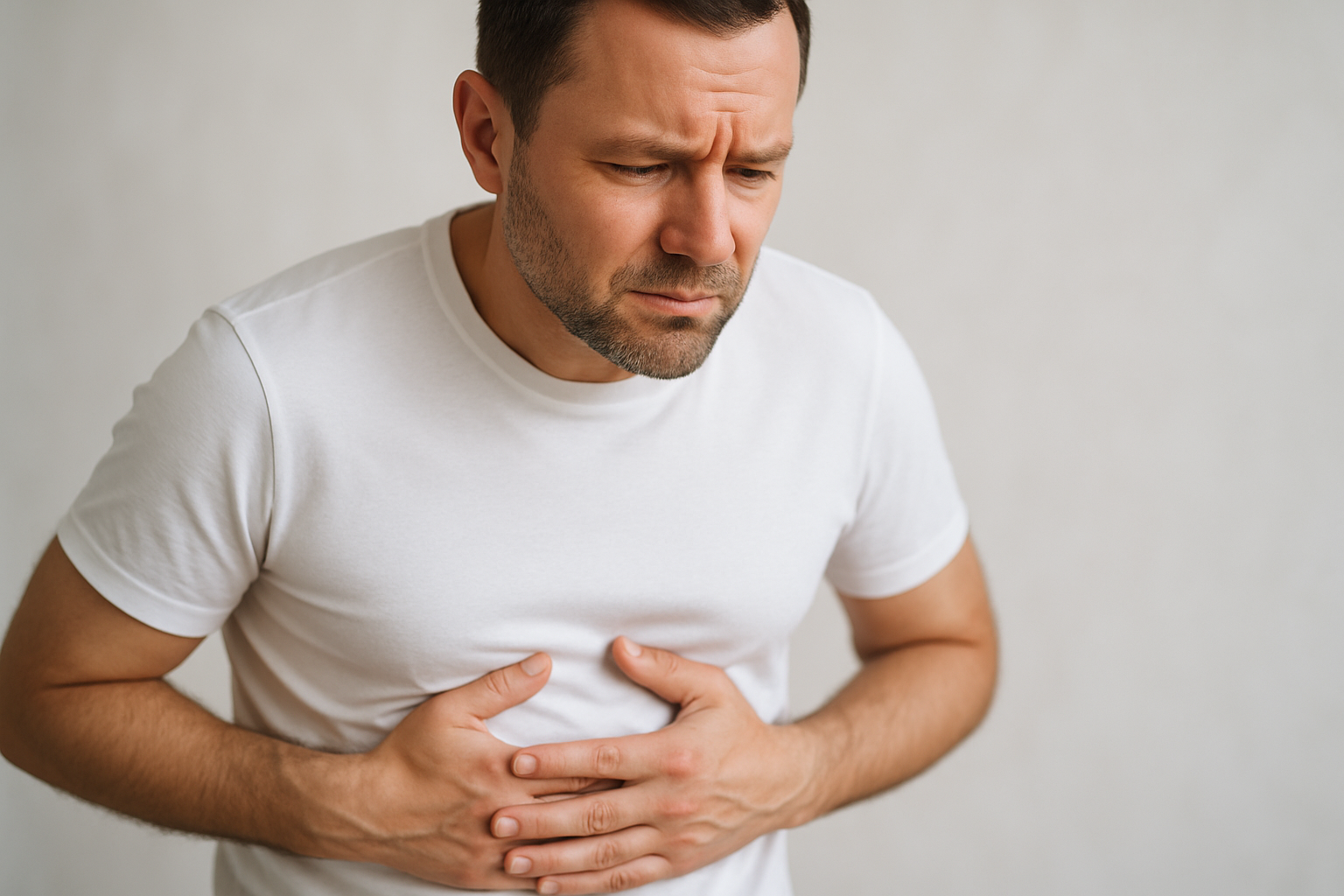
It’s exactly what it sounds like. Your bladder muscle contracts when it shouldn’t. This sudden tightening creates an intense need to pee and can sometimes lead to leakage, referred to as urge incontinence.2
What Do Bladder Spasms Feel Like?
You may notice some of these sensations before a sudden urge to pee:3
- Pain in your lower stomach
- Cramps that range from mild to intense
- An uncomfortable feeling in your lower stomach
- Pressure or a burning sensation
What Causes Bladder Spasms?
Bladder spasms happen for several reasons, including:
- An overactive bladder3
- Bladder infections3
- Neurological conditions, like multiple sclerosis or Parkinson’s3
- Foods or drinks that irritate the bladder2
- Certain medications3
But sometimes, the exact cause isn’t clear.3 Which is why you will need to speak to a doctor to help get behind the causes.
Managing Bladder Spasms
Managing bladder spasms often involves a combination of lifestyle changes, medications, and exercises.
- Lifestyle Changes: Reducing bladder irritants like caffeine can help. Staying hydrated (but not overdoing it at night) can also make a difference.1
- Medications: Certain medications help relax the bladder muscle and reduce the amount that you pee.1
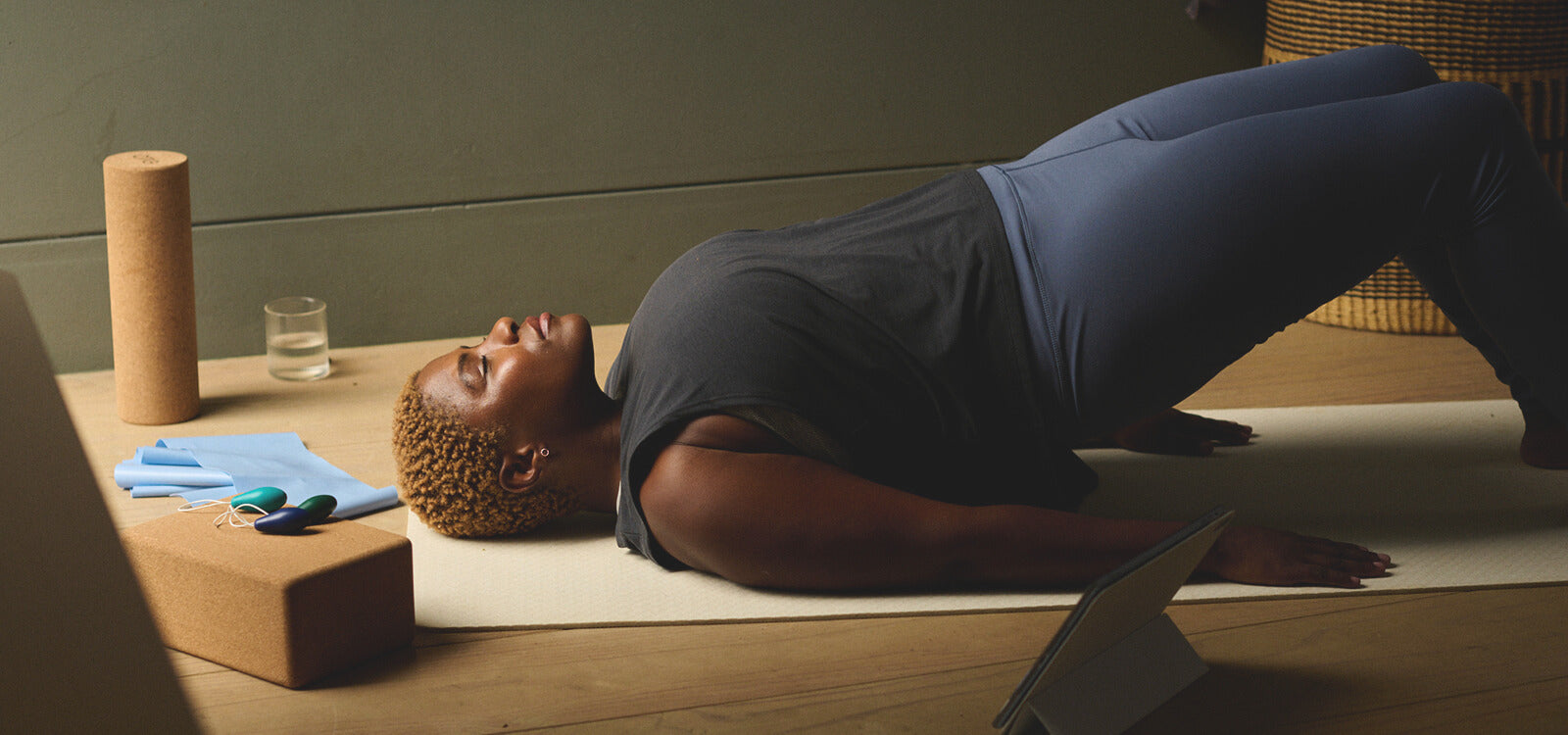
- Pelvic Floor Exercises: These exercises strengthen the muscles that control urination. Bladder training techniques can also improve your bladder control. 1
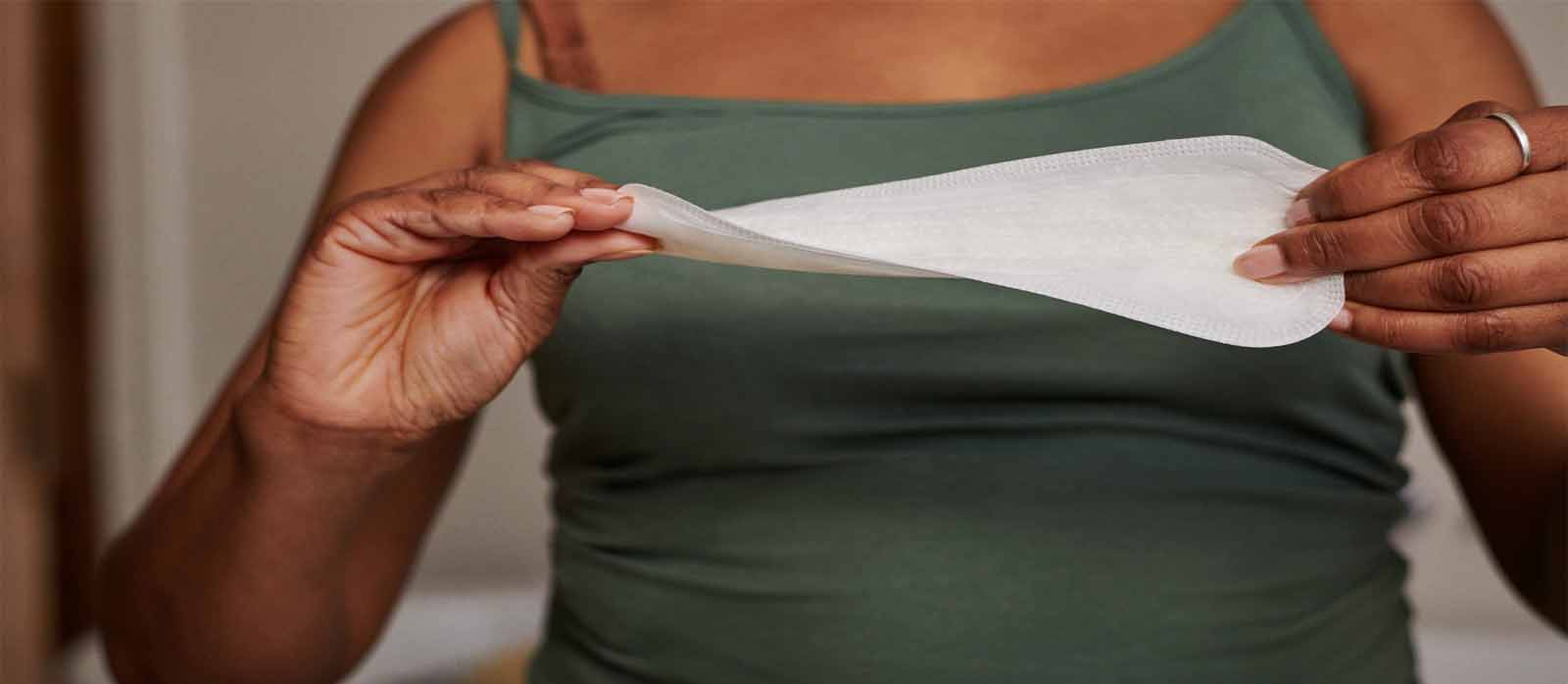
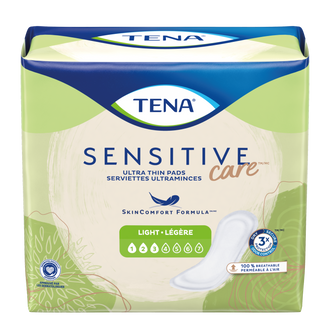
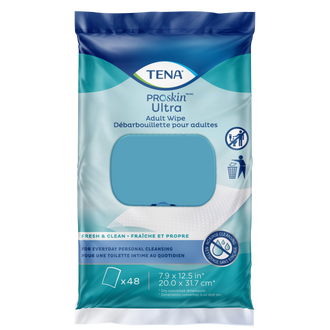
To help manage everyday leaks, explore TENA’s light liners and shields for men and women, designed for comfort and reliable, discreet dryness.
What is Urge Incontinence?
Urge urinary incontinence is a form of OAB. It happens when the bladder contracts involuntarily, causing sudden leakage.
While OAB and urge incontinence often overlap, not everyone with OAB experiences leaks.1
Urge incontinence can have several causes, including neurological conditions, bladder infections, or even your diet.1Then there are triggers like your diet, stress, constipation, bladder habits, and hormones.
How Common is Urge Incontinence?
Urge incontinence tends to become more common as people get older.4 It’s not as common in postmenopausal women as stress incontinence (mentioned lower down), but it’s actually the most common type in men, around 40% to 80% of cases.4
What Are the Symptoms of Urge Incontinence?
When you have urge urinary incontinence, you might leak right after you feel a sudden urge.1 You might also have symptoms of an overactive bladder, such as:1
- Frequent urination: About eight or more trips to the bathroom in a day
- Nocturia: Needing to pee frequently at night
- Urinary urgency: A sudden, strong need to pee
Treatment Options for Urge Urinary Incontinence
There are many treatment options you can explore for urge urinary incontinence.
- Behavioral Therapies: Bladder retraining, timed voiding, and pelvic floor therapy can improve control.1
- Medications: Similar to OAB treatment, medications can help calm an overactive bladder. In some cases, Botox injections (which relax the bladder muscles to reduce urgency) may also be an option.1
- Other treatment and surgery: For severe urge incontinence, a doctor may recommend nerve stimulation therapies or surgery.1 1
What Are the Other Types of Urinary Incontinence?
Urge incontinence is just one type of incontinence. Here’s a quick look at other common types:
- Stress Incontinence: eakage caused by pressure on the bladder, when you're coughing, sneezing, or exercising, for example.1
- Overflow Incontinence: When the bladder doesn’t empty completely, leading to frequent dribbling.5
- Functional Incontinence: Difficulty reaching the bathroom in time because of mobility or memory challenges. 5
- Mixed Incontinence: A combination of two or more types, often stress and urge incontinence together. 5
When Should I See a Health Care Professional?
If you're dealing with bladder issues, making an appointment with your doctor is the first step to diagnosing which type you have, and getting the right treatment.
While occasional bladder urgency isn’t always a cause for concern, there are some red flags you shouldn’t ignore like:
- Frequent bladder spasms2
- Pain or burning when urinating2
- Blood in your urine2
- Sudden, unexplained changes in bladder habits2
Many bladder issues are treatable. Getting help early can make symptoms easier to manage and help you find relief sooner.
Your doctor can guide you with a personalized plan to support your bladder health and improve your quality of life.
What Is the Most Common Cause of Urge Incontinence?
The most common cause is an overactive bladder.4 But urge incontinence can also be caused by neurological conditions, bladder infections, and various triggers like your diet.1
What Are the Symptoms If I Have Urge Incontinence?
You may experience sudden urges to pee followed by leaks.1
When Should I See a Healthcare Provider for Urge Incontinence?
It’s advisable to get medical advice if you have:
- Symptoms that interfere with your daily life7
- Discomfort or pain7
- Blood in your pee6
- Signs of an infection such as a fever1
How can I reduce my risk of urge incontinence?
Reducing bladder irritants and strengthening your pelvic floor are key! Try these tips:
- Cut back on caffeine.
- Stay hydrated, but don’t drink too much before bed.
- Practice pelvic floor exercises to improve bladder control.
- Maintain a healthy weight to reduce pressure on your bladder.
- Use bladder training techniques to gradually increase the time between bathroom trips.
What Is the Best Treatment for Urge Incontinence?
How your doctor helps you manage urge incontinence depends on the cause and the level of care you need.4 Some of the approaches are:4
- Pelvic floor exercises
- Medication
- Medical procedures, in certain cases
Is Urge Incontinence Serious?
Bladder leaks can affect your quality of life, cause skin issues, and may suggest underlying health conditions.4,7 While not life-threatening, it's best to see your doctor when you notice leaks.7
What Is the Difference Between Urge Incontinence and Stress Incontinence?
Both conditions cause bladder leaks, but their triggers are different.
Urge incontinence happens when the bladder contracts suddenly, creating an overwhelming urge to urinate, often leading to leaks.5
Stress incontinence happens when movements like coughing, sneezing, or exercising put pressure on the bladder, causing leaks.5
What Are the Main Symptoms of an Overactive Bladder?
You might notice symptoms like urinary urgency, frequent urination, nocturia (nighttime urination), and sometimes bladder leaks.1
How to Stop Bladder Spasms?
Ways to manage bladder spasms include doing regular pelvic floor exercises and avoiding foods and drinks that may irritate the bladder. You should also speak to your doctor, who can check for any underlying causes and recommend the right treatment.
Does Chocolate Irritate the Bladder?
Yes, chocolate, alcohol, artificial sweeteners, and caffeine may irritate the bladder, triggering urges or spasms in some people.7
References
1. MedicalNewsToday. ‘Overactive bladder vs. urge incontinence’. 2023. Available from: https://www.medicalnewstoday.com/articles/overactive-bladder-vs-urge-incontinence
2. Urology of Greater Atlanta’. Bladder spasms’. 2025. Available from: https://ugatl.com/services/overactive-bladder/bladder-spasms/
3. Myhre J, Sifris D. Bladder Spasms: Causes and How to Calm Them [Internet]. VeryWell Health. 2025. Available from: https://www.verywellhealth.com/bladder-spasm-7481456
4. Nandy S, Ranganathan S. Urge Incontinence [Internet]. PubMed. Treasure Island (FL): StatPearls Publishing; 2022. Available from: https://www.ncbi.nlm.nih.gov/books/NBK563172/
5. MayoClinic. ‘Urinary Incontinence’. 2023. Available from: https://www.mayoclinic.org/diseases-conditions/urinary-incontinence/symptoms-causes/syc-20352808
6. Symptoms & Causes of Bladder Control Problems (Urinary Incontinence) [Internet]. National Institute of Diabetes and Digestive and Kidney Diseases. NIDDK - National Institute of Diabetes and Digestive and Kidney Diseases; 2021. Available from: https://www.niddk.nih.gov/health-information/urologic-diseases/bladder-control-problems/symptoms-causes#when
7. Erickson Gabbey A. All You Need to Know About Urge Incontinence [Internet]. Healthline. 2020. Available from: https://www.healthline.com/health/urge-incontinence#emergency-symptoms