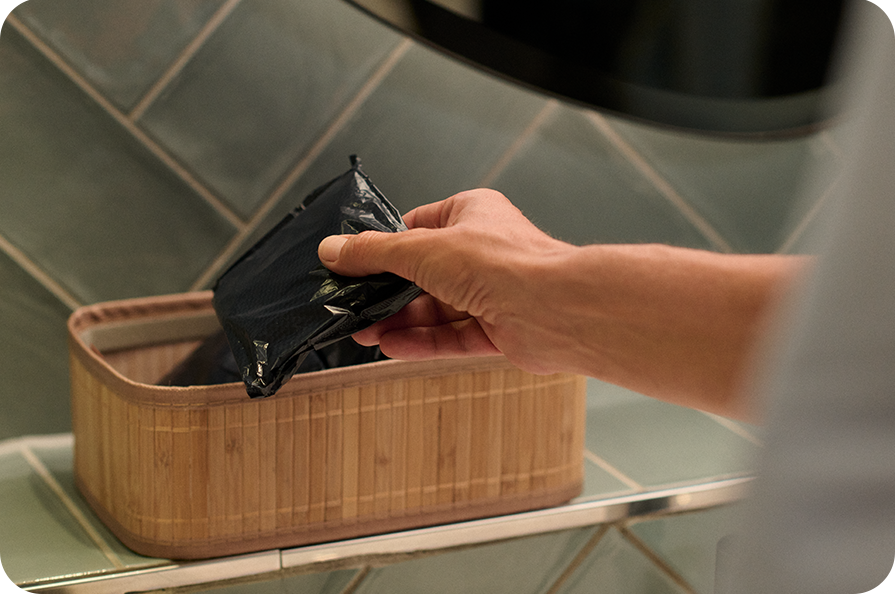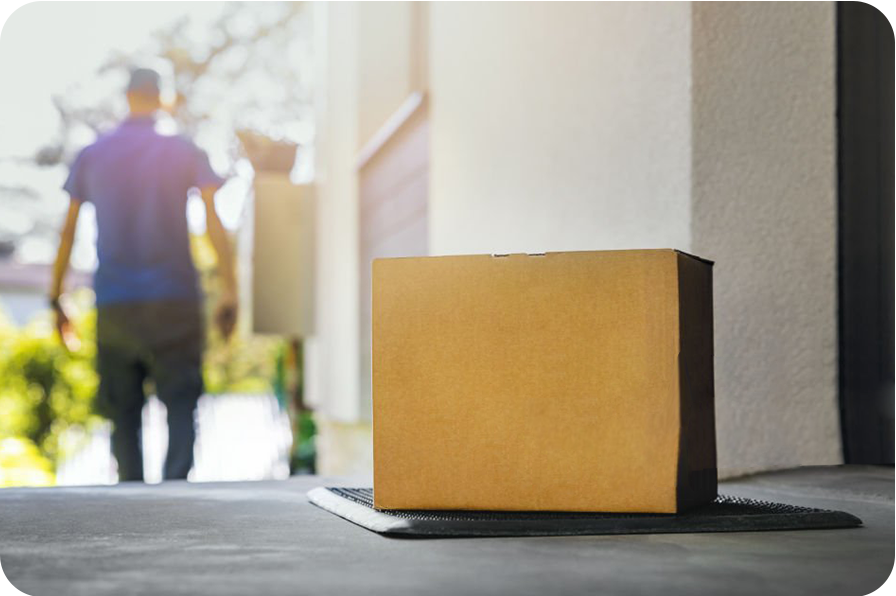



FREE Discreet Shipping
SAVE WITH SUBSCRIPTIONS
Save 10%, get 2x points and FREE Discreet Shipping every single month! Never Run Out!
Easily pay at checkout with your FSA/HSA account!
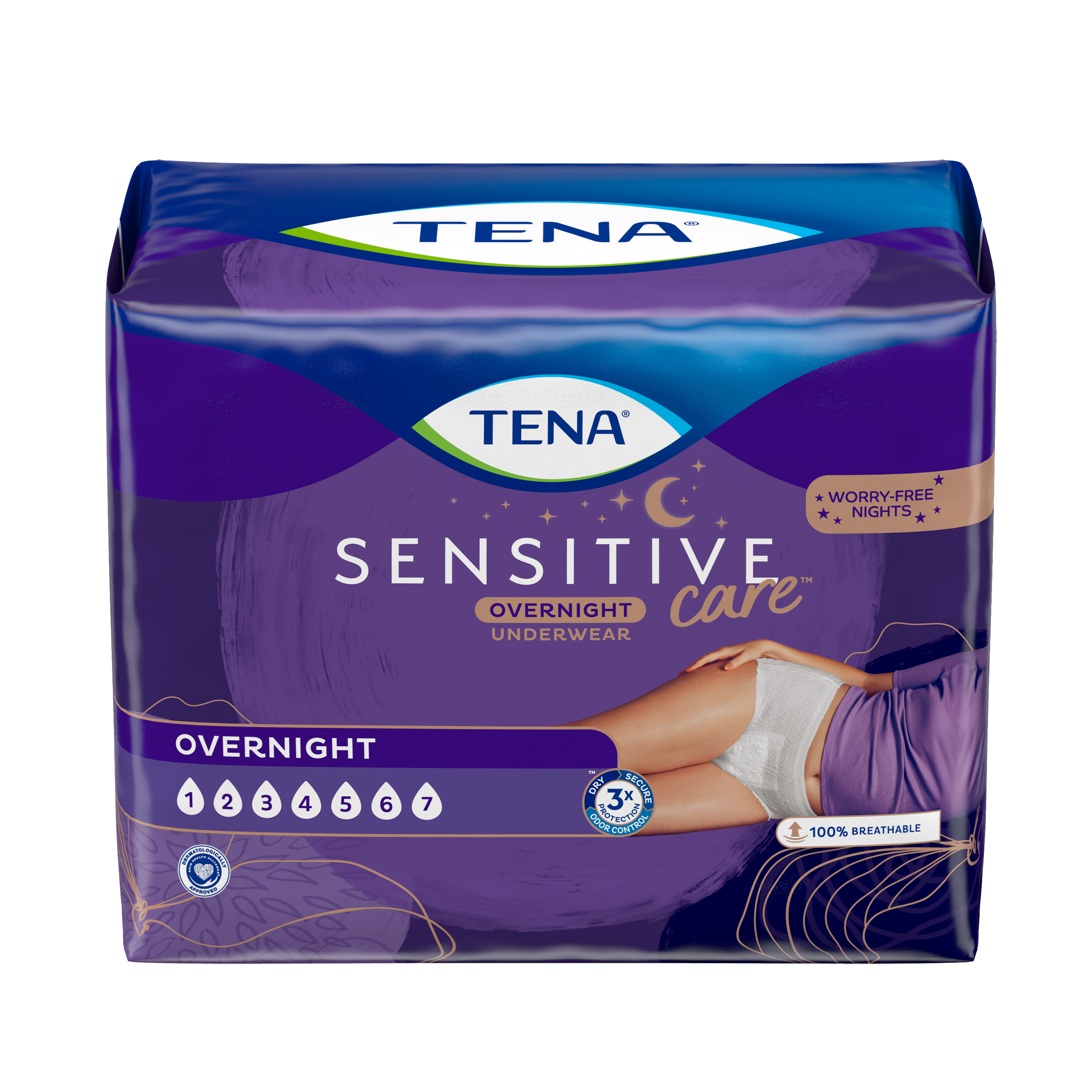

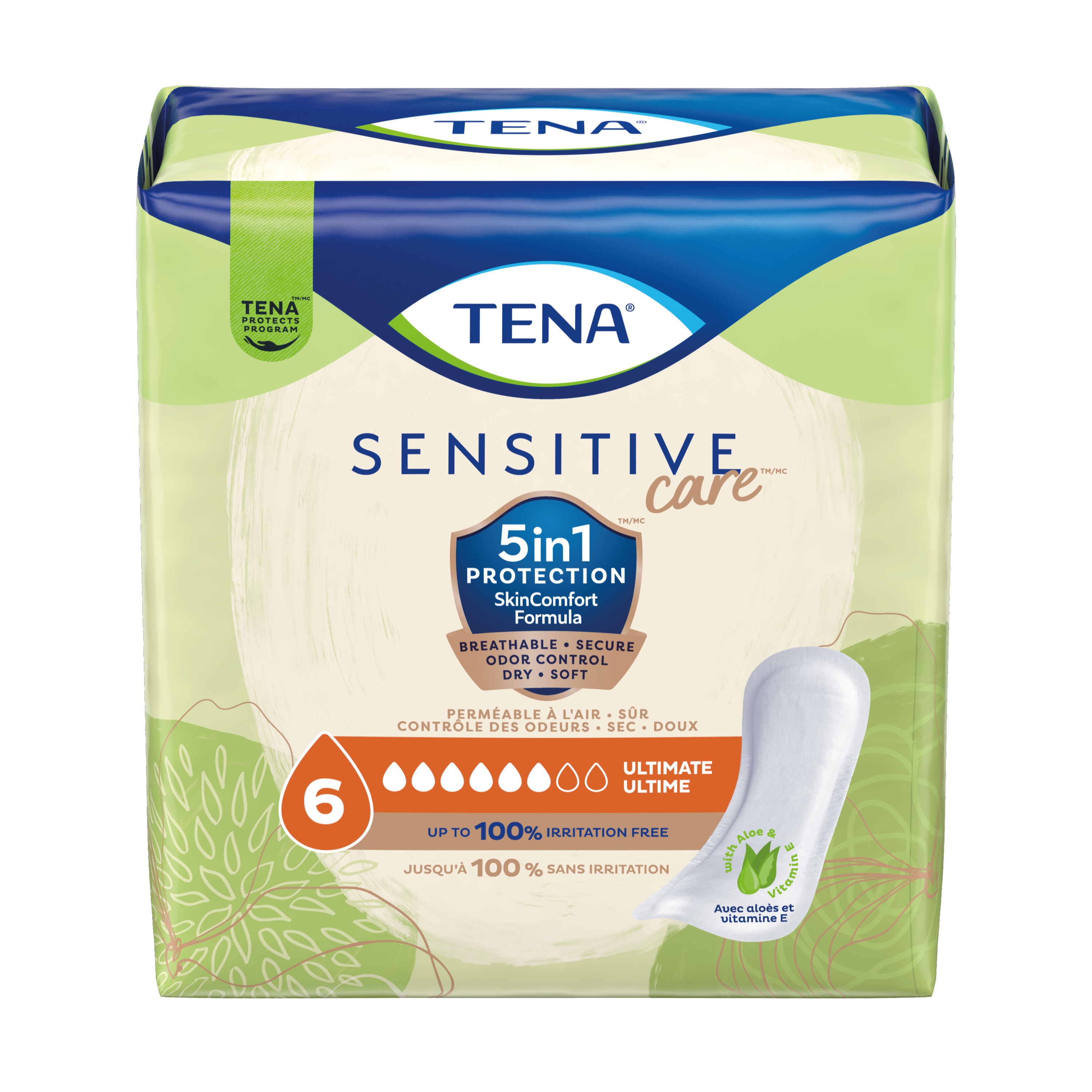
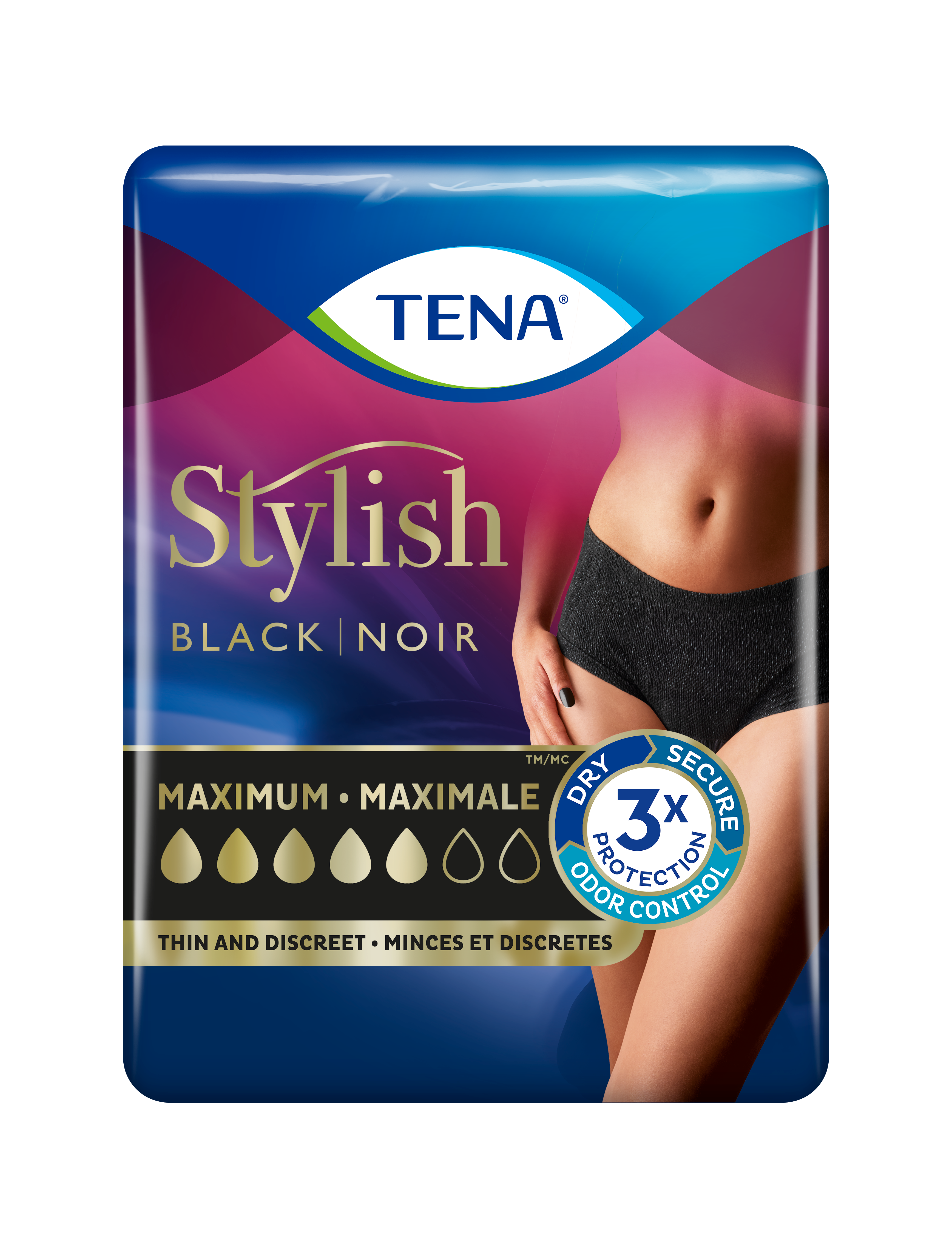
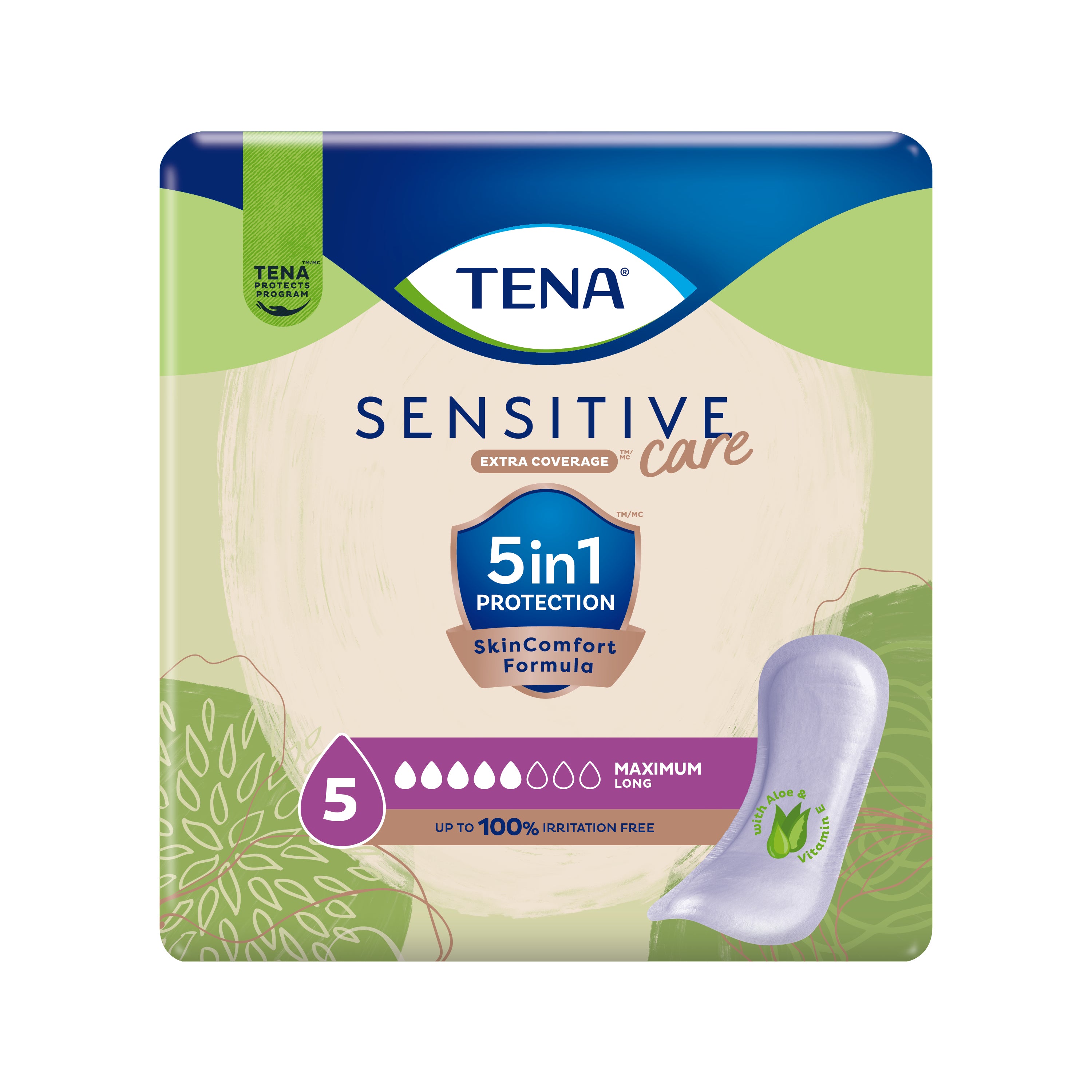
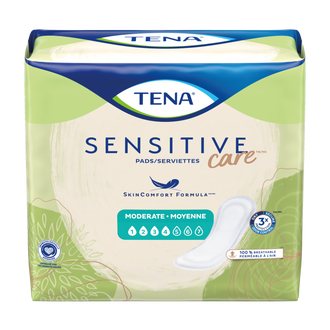
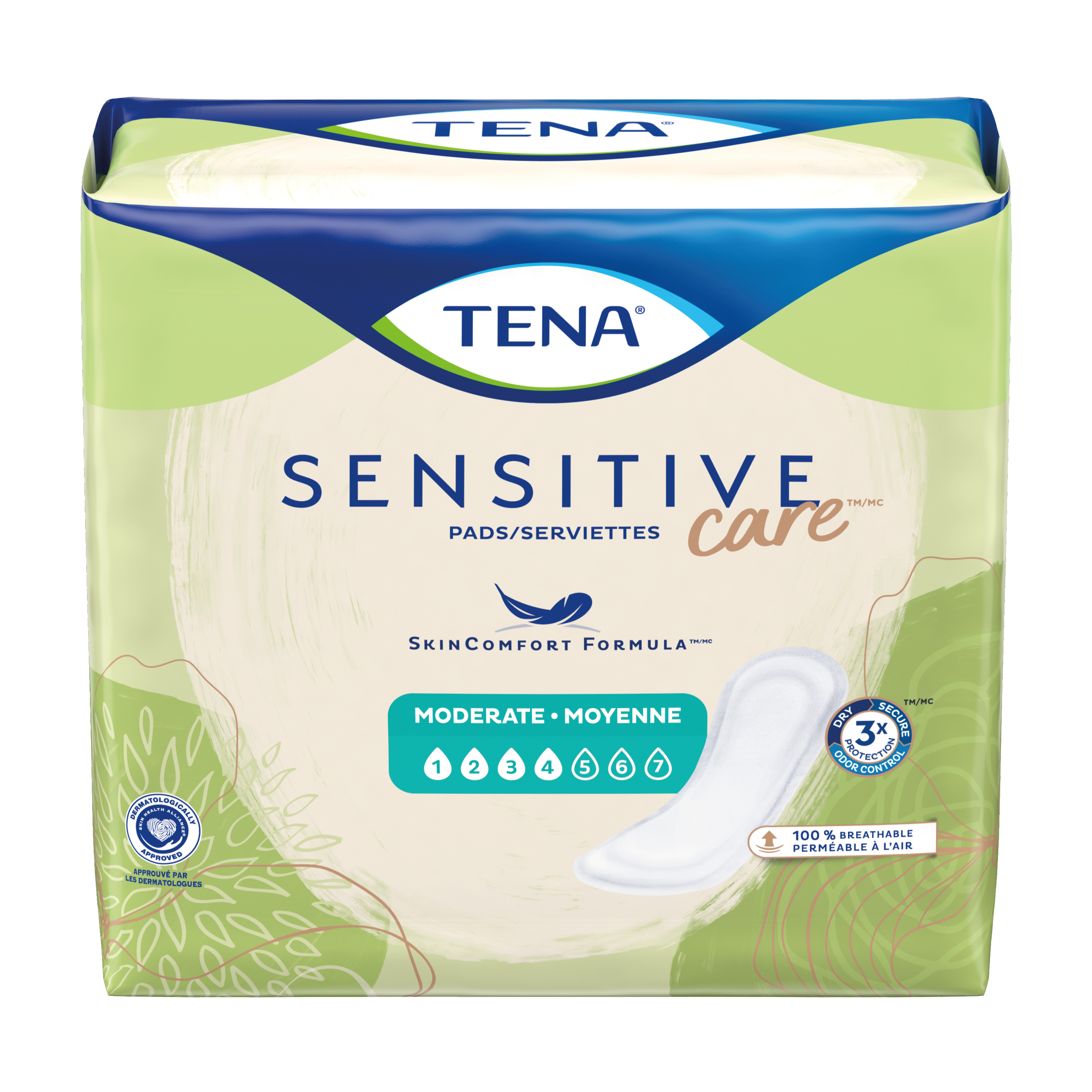
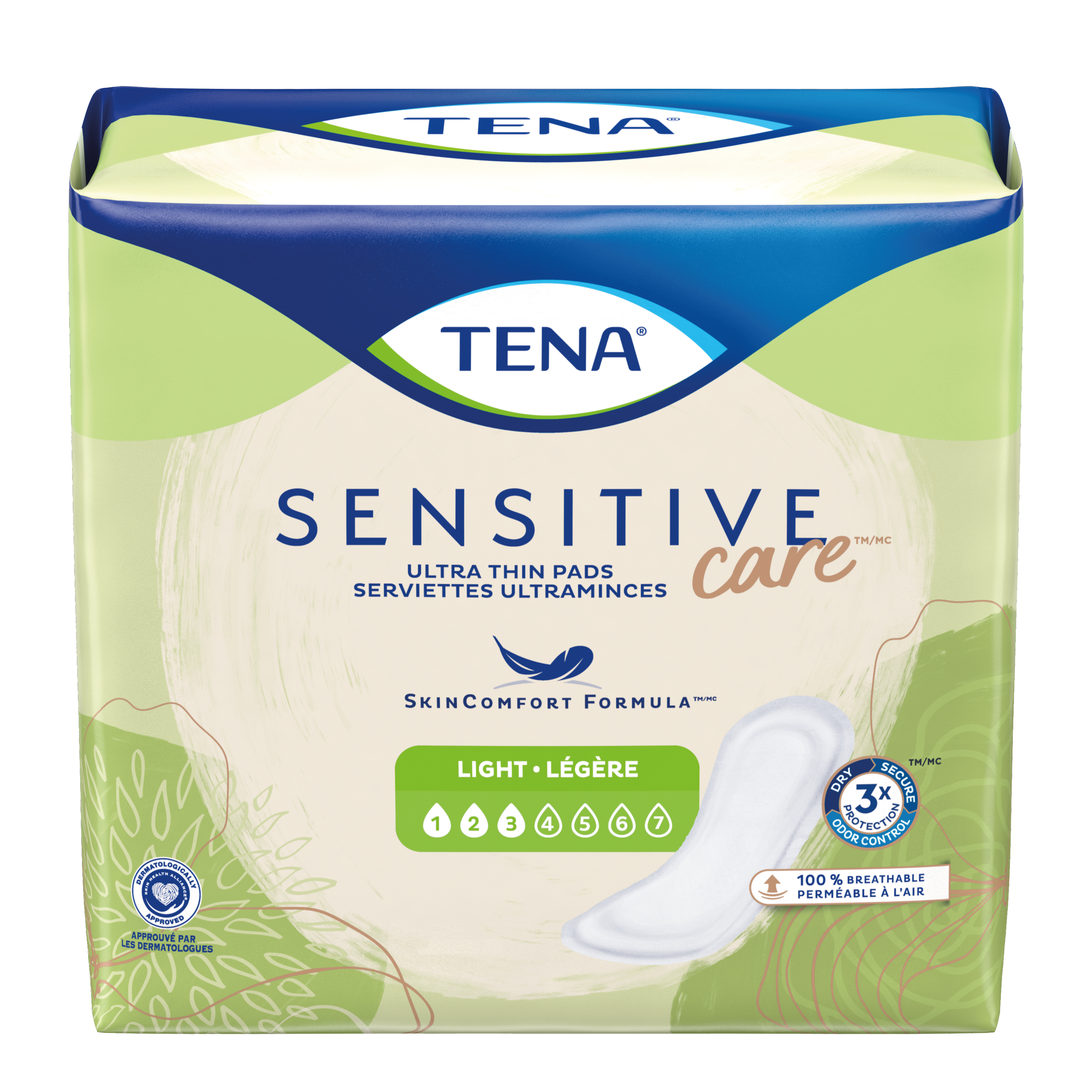






Shop the world's leading incontinence brand.*
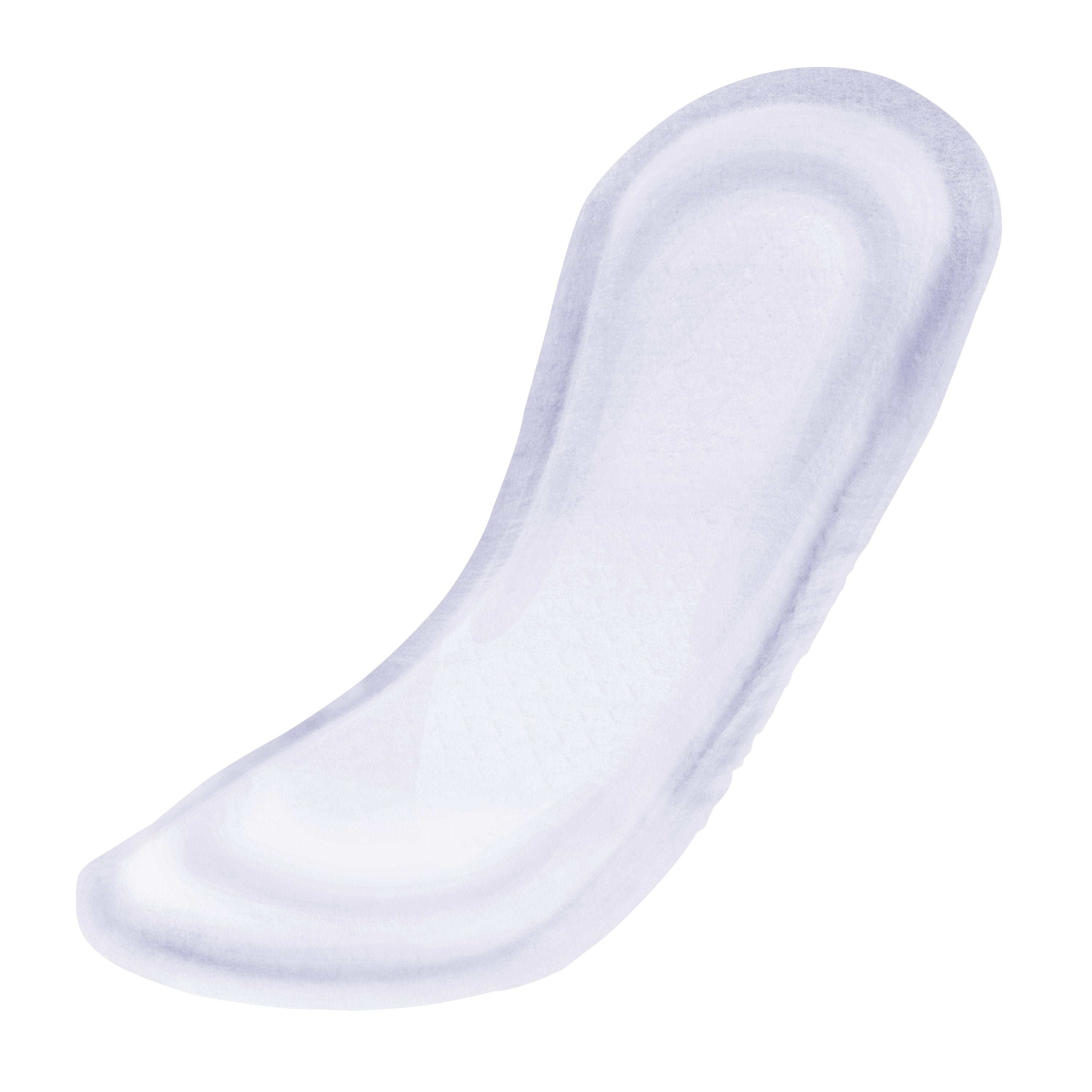

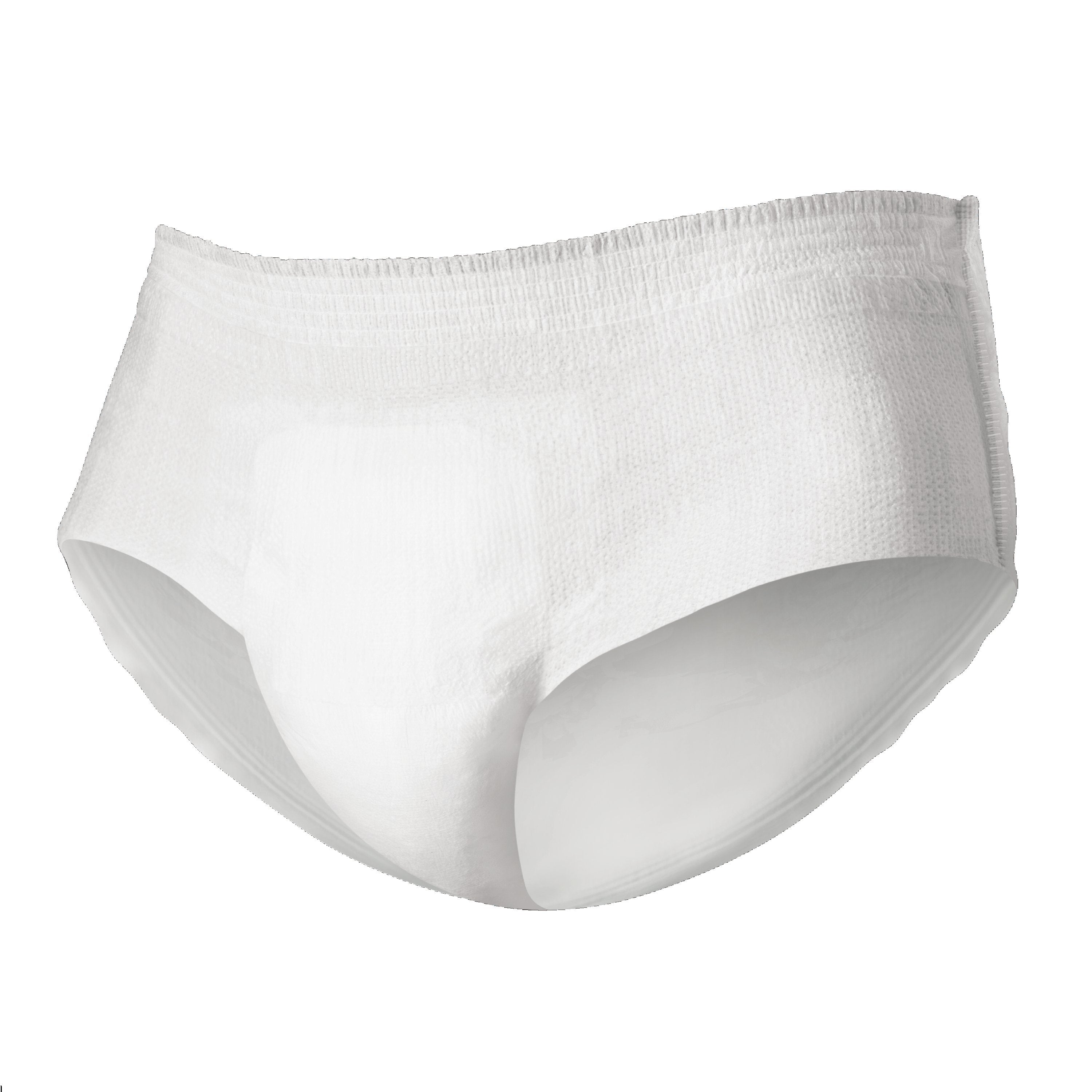

1 in 3 men over 40 experience involuntary drips and dribbles.
Male Urinary Incontinence Prevalence Study, 2013 (US, UK, IT, FR, MX, RU).
Have questions?
We’ve got answers.
Generally, urinary incontinence or bladder incontinence defines all involuntary leakage of urine
Learn more
Bladder training is a self-help method that helps you increase control over the bladder by reducing the frequency of urination.
Learn more
Pelvic floor training involves strengthening the supportive muscles around the urethra and bladder by doing repetitive voluntary contractions.
Learn more
As a general rule, you should change your pads 3-5 times per day. This may differ from person to person, depending on various factors, such as the condition of your skin, the amount of leakage you experience, and the kind of product you’re using.
Learn more
To keep your bladder and kidneys healthy, remember to drink enough water, enjoy a balanced diet, and maintain a healthy weight. If you’re suffering from any problems with your kidneys or bladder, remember that you’re not alone and that it is very common. If you need more support, don’t hesitate to reach out to your doctor.
Learn more
Today, along with the color and symptoms, the smell in urine can help indicate either good health or illness. The smell can be described in many different ways; for example, that it smells sweet, or that it smells like fish, ammonia or alcohol.
Learn more
Start by selecting a product that suits your level of leakage, like TENA Men Light Shields for mild dribbles or TENA Men Maximum Guards for more moderate protection. To wear male incontinence pads, place the adhesive side securely inside your underwear, ensuring it’s positioned comfortably. Adjust for a close fit, and remember to replace the product as needed to stay dry and comfortable throughout the day.
Learn More


When Does Menopause Start? Age, Stages and Timing
Menopause is being talked about more than ever, but many women still find themselves in the middle of perimenopause without realizing it has already begun. So, when does menopause actually start?
Read More

Living with Incontinence: Occasions and Situations That Can Trigger Urine Leakage
Let’s be real; dealing with incontinence can be frustrating and it’s something many people experience at some point in life. Everyday activities like sneezing or laughing can be frustrating as they could lead to leaks and dribbles.
Read More

How to manage incontinence when exercising
Living with incontinence comes with quite a few challenges. Exercise is one of them. Whether you’re in a yoga class, lifting weights at the gym, or just going running, urinary leakage could happen anywhere, at any time, to women of all ages.
Read More

How Incontinence Is Related to Common Conditions Linked to Aging
As a loved one gets older, you’ll probably notice changes in their physical condition. Maybe they’re not as fit or trim as they once were. Maybe their eyesight and hearing aren’t as good as they used to be. It’s all part of the natural aging process.
Read More

Why Do Some Men Wet the Bed at Night and What Can Help Stop It
Adult bedwetting in men is more common than you think. Learn why it happens and the practical steps you can take to manage nighttime leaks effectively.
Read More

Post-Micturition Dribble in Men: Causes and How to Manage It
Ever noticed a wet spot in your underwear after peeing? Sometimes, it could make you wonder if something serious is going on in your body.
Read More

BPH and Urinary Incontinence: Causes, Symptoms and Management
BPH is quite common among men as they get older and can sometimes lead to bladder control issues.1 Let's explore the connection between an enlarged prostate and incontinence and discover ways to help you feel confident every day.
Read More

When Bladder Changes in Women Are a Sign to See a Doctor
Many women aren’t sure when to, or if they should, see a doctor for their bladder issues. That’s because leaks and sudden urges can feel embarrassing to talk about, and it’s also easy to assume it’s just part of getting older.
Read More

Pelvic Floor Health and Its Role in Women’s Bladder Control
Bladder leaks are common and can affect anyone at any age.1 But they tend to be more frequent in women over 50, because of the hormonal shifts of menopause.
Read More

Tracking Incontinence Symptoms Effectively
Have you ever heard of keeping a bladder diary? If you’re living with occasional bladder leaks or chronic incontinence symptoms, it’s a simple way of tracking your bathroom habits, fluid intake, and symptoms.
Read More

Occasional Leaks vs Chronic Incontinence
Occasional bladder leaks are more common than you might think, and they can show up in different ways.1 Some people experience light, infrequent leaks, while others notice more persistent signs that could be defined as chronic incontinence.1,2
Read More

What Are Bladder Stones and How Are They Treated?
Ever wondered what bladder stones are? They might not come up in everyday conversation, but they’re a treatable condition that affects the urinary system.
Read More

What is the difference between a lower and upper urinary tract infection?
Urinary tract infections (UTIs) are common, and many people think they affect the bladder or genitals. But did you know that UTIs can affect any part of your urinary system?
Read More

What is Urinary Retention, and How Can It Be Treated?
Urinary retention is when the bladder can’t empty fully or at all. This can cause discomfort, a constant urge to pee, and possible health problems, along with a frustrating feeling of a loss of control.
Read More

How to Make Your Home Safer for Elderly Loved Ones
It's only natural for you to feel worried about your older loved one falling down.
Read More

Dementia and Incontinence Care: Helpful Tips for Caregivers
If your loved one has dementia, you may have probably wondered whether there's a link between the condition and incontinence, mostly because you might have noticed them having bathroom accidents more regularly.
Read More














What Triggers Urge Incontinence?
When you feel like every visit to the bathroom is a race, and making it in time before you have a leak is a win, it's ok to feel frustrated. Urge incontinence can make you feel like you can’t control your own body.
Read More

Flying with Incontinence
The thought of flying may feel nerve-wracking for some people. Adding incontinence to the mix? Extra stressful, and maybe enough to put a hold on your plans.
Read More


Prostate Exams: What to Expect, When to Go, and How to Prepare
A question that may pop into your head every now and then, but isn’t entirely casual barbecue conversation between friends is, "how often should men get a prostate exam?"
Read More

Can Pilates Help with Incontinence?
If you’re living with incontinence, you may wonder if Pilates could help with managing it. Let's explore how it could help reduce those unexpected leaks and strengthen your pelvic floor.
Read More

Vitamins to help with Bladder Control
We all know how important it is to get our daily nutrients, but did you know certain vitamins could affect your bladder health? In this article, we’ll explore how a holistic approach, including vitamins and supplements, can aid bladder control.
Read More

Bladder Screenings and Aging: Why They Matter
As we get older, our bodies go through all kinds of changes. And yes, that includes the bladder.1
Read More

How Long Does the Menopause Last?
Menopause can feel like a whirlwind of changes, and if you’re curious about how long it’s all going to last, you’re in the right place. Whether you’re just starting to notice some symptoms, or you’ve been dealing with them for a while, it’s important to know that every woman’s experience is unique.
Read More

What is an Incontinence Pad? Guide to Types and Benefits
Leaks might feel like something you just have to live with, but they don’t have to be. With the right incontinence pad, comfort and dryness can become your new normal.
Read More

Bladder leakage: Causes of Urinary Incontinence
Incontinence affects millions of Americans, and there are several types, causes, and triggers.1 Let's break it down together.
Read More
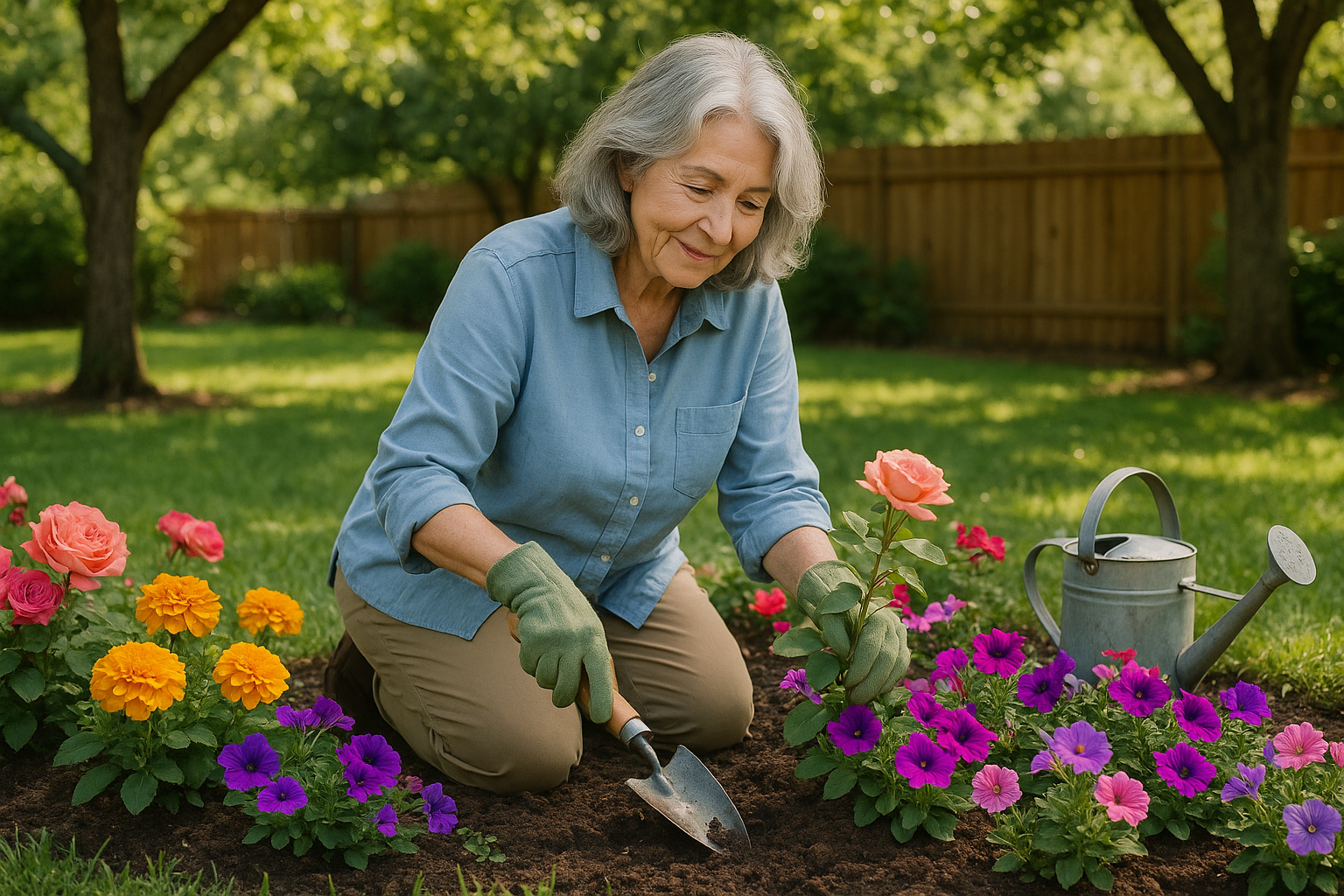
What Is Reflex Incontinence? Causes and Management
Well, you’re at the right place! Let’s break down what causes those sudden leaks, what symptoms to look for, and practical ways to manage them with more confidence.
Read More


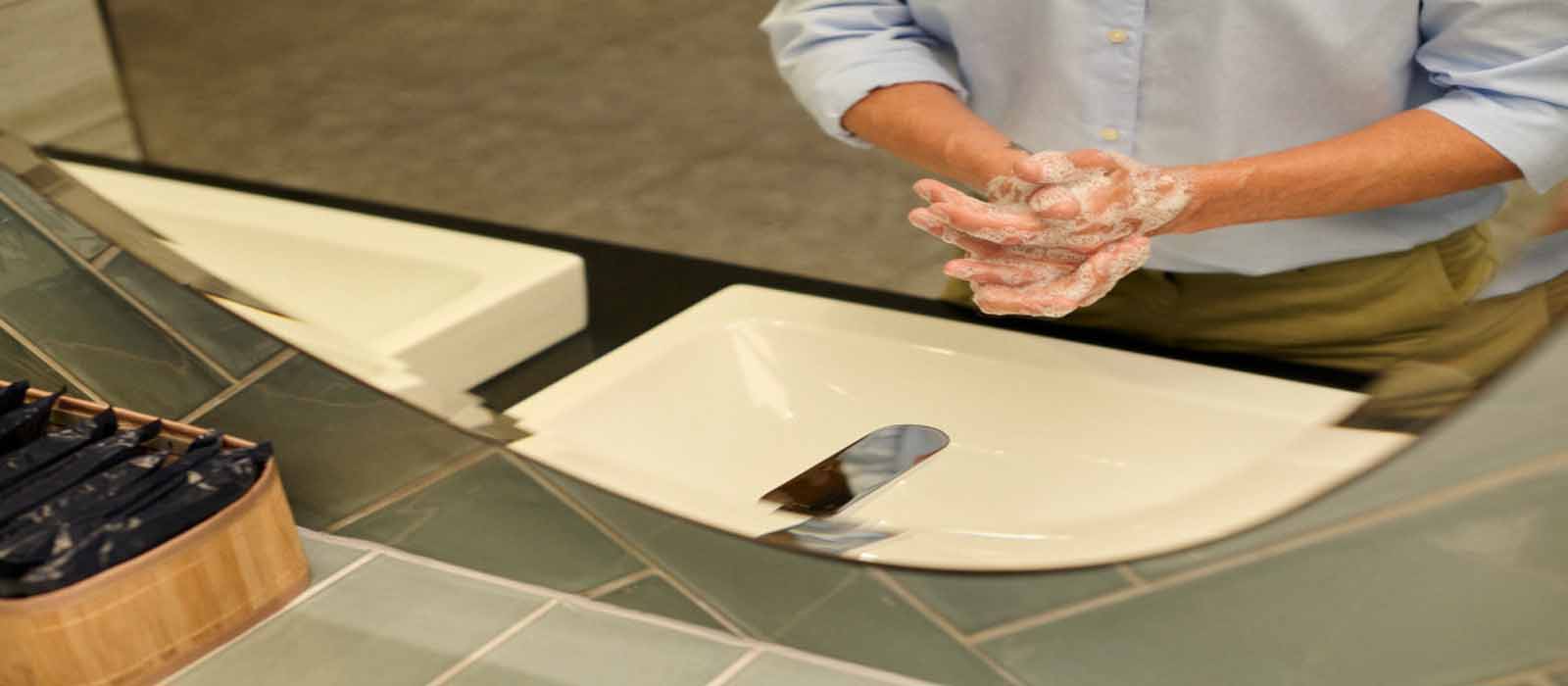
Can Smoking Affect Bladder Health?
Learn why quitting smoking benefits your pelvic floor, reduces leaks, and supports better bladder control.
Read More

How Diabetes Affects Bladder Function
Learn why diabetes impacts bladder function, causing leaks and urgency, and discover effective tips, including diet, pelvic floor exercises, and bladder training.
Read More
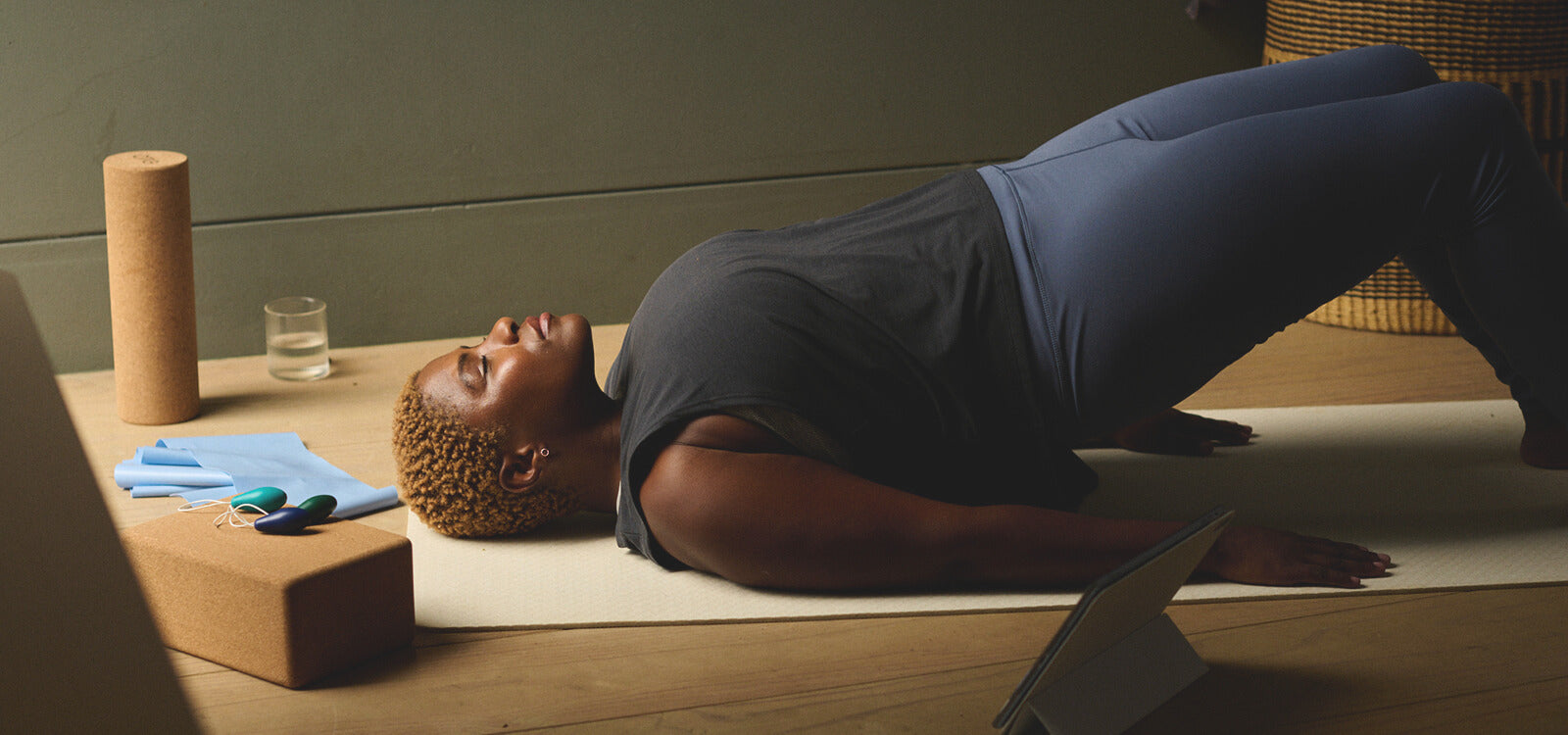
Yoga for Incontinence: Strengthen Your Pelvic Floor with Yoga
Learn how yoga strengthens pelvic floor muscles to improve bladder control, reduce leaks, and support overall wellbeing with easy, effective poses.
Read More

How Often Should You Urinate Daily? Excessive Urination Explained
Learn what’s normal for urination frequency, common causes of frequent urination, and tips to manage your bladder health effectively.
Read More
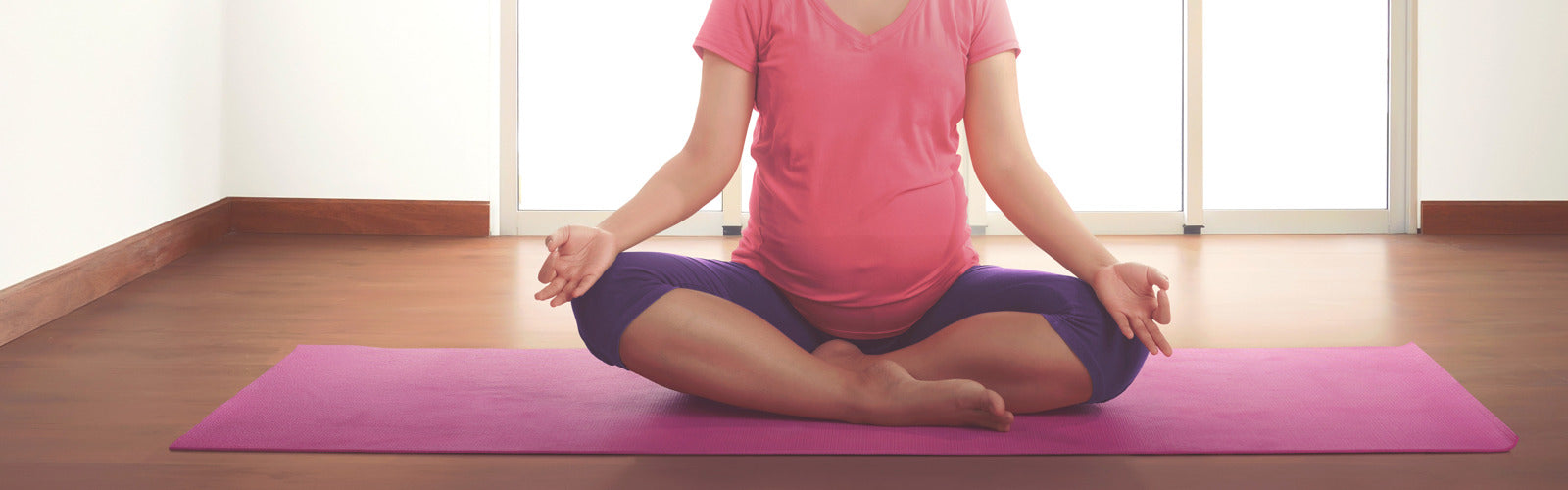
Pelvic Floor Exercises for Pregnancy Incontinence
Learn about pregnancy incontinence, why it happens, pelvic floor exercises, safe pregnancy workouts, and how to manage leaks for a confident pregnancy.
Read More
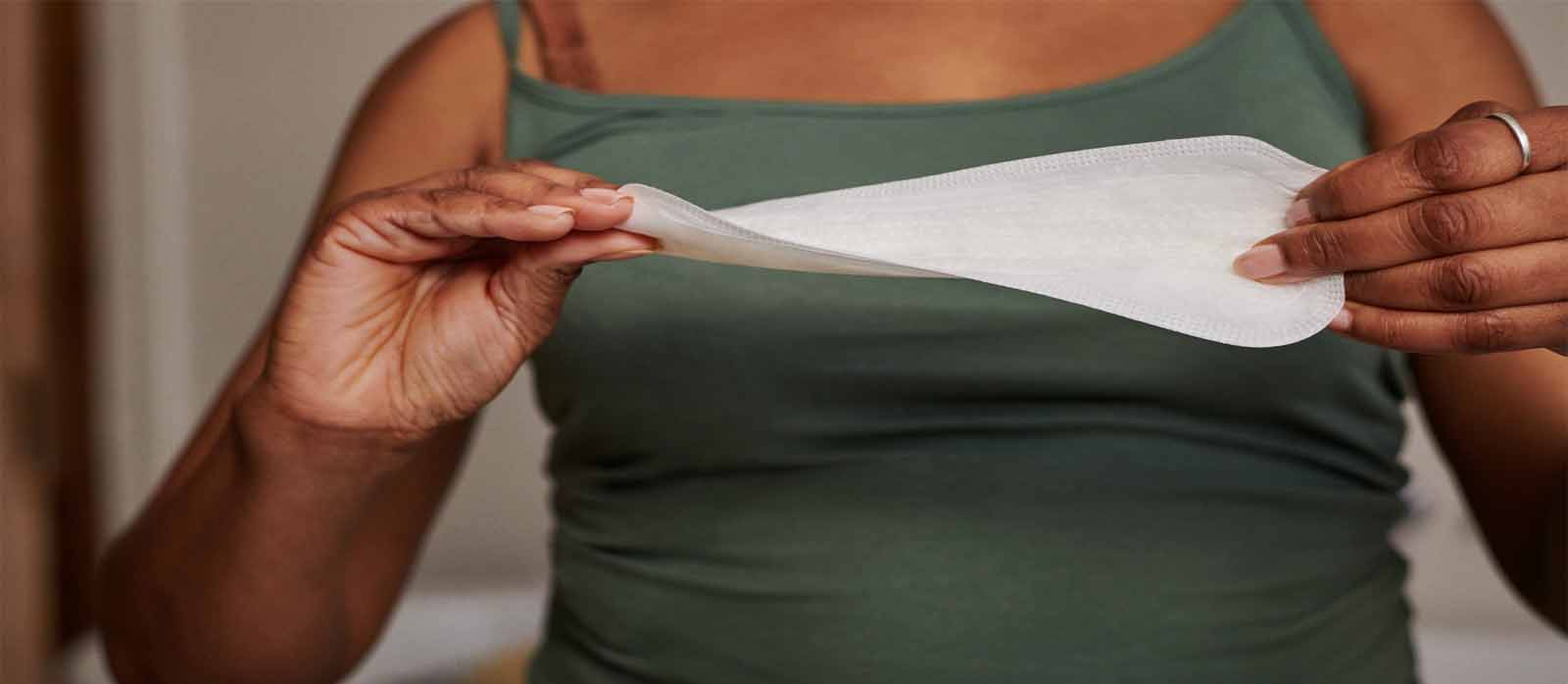
Urinary Incontinence Products: Types, Uses, and Care Tips
Learn about urinary incontinence products, how they work, types for men and women, and tips to stay dry and comfortable every day and night.
Read More

What Is Functional Incontinence & How to Manage It
Functional incontinence occurs when barriers prevent timely bathroom access. Learn causes, signs, and practical tips to manage and improve quality of life.
Read More
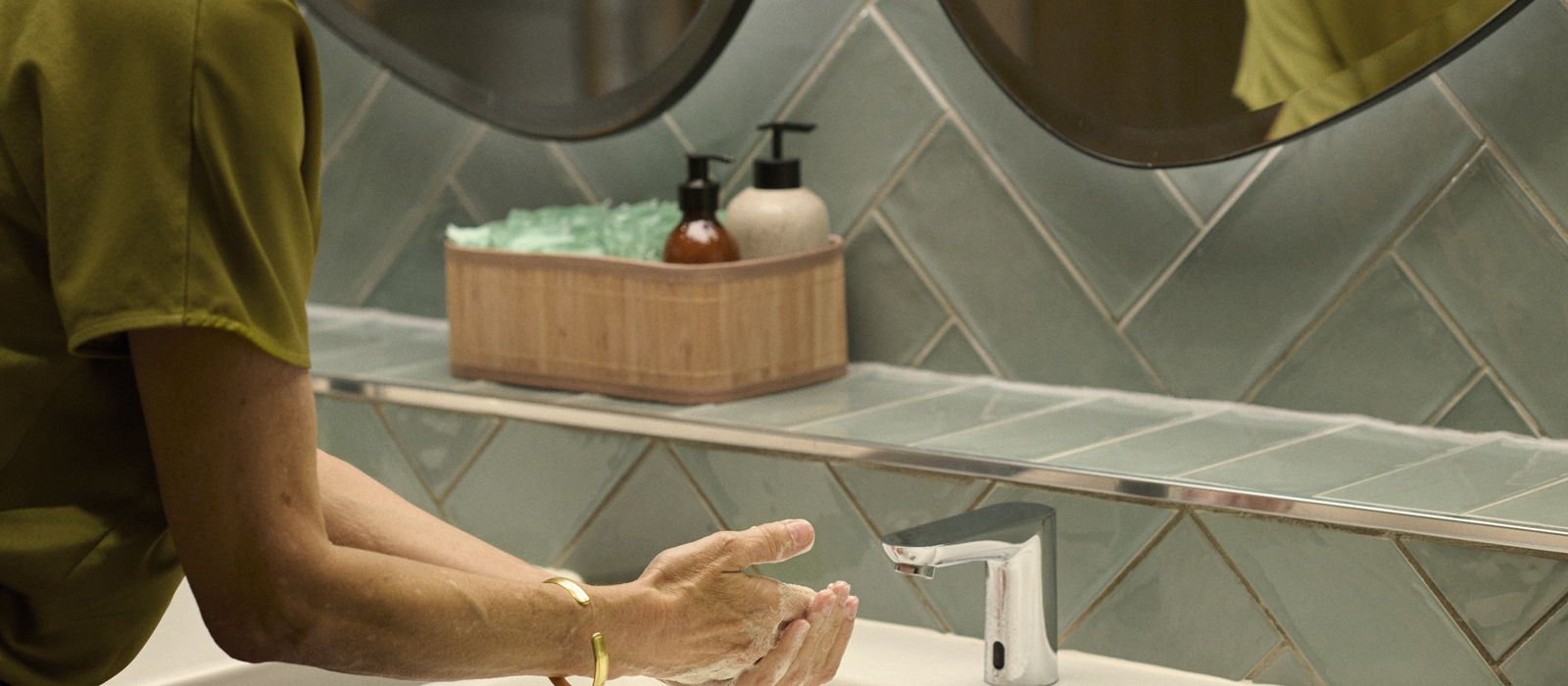
How to Prevent Bladder Infections: Tips & Advice
Learn about UTIs, why they’re common in women, symptoms to watch for, and simple tips to prevent and manage urinary tract infections effectively.
Read More