Jul 24, 2024
Ever wondered what those small, unexpected leaks are and why they happen? You know, the ones that happen when you cough, laugh, or sneeze?1 Or when you desperately need to pee and there’s a dribble because you almost didn’t make it in time?2
Light bladder leakage is quite common and can happen at any age. It’s often your body’s way of sending an early signal2 that it might need a little extra support.
But it doesn’t have to get worse. With the right exercises and a few simple lifestyle changes, many cases improve, and sometimes symptoms even go away.1
Let’s explore what light bladder leakage is, the common causes, and practical ways to manage and prevent leaks, so you can feel comfortable, prepared, and completely yourself every day.
Understanding Light Bladder Leaks
As we’ve mentioned, light bladder leakage is common. It involves involuntary, occasional urine leakage that has many possible causes. The two main causes? Stress incontinence and urge incontinence. 2
Up to one in three AFAB individuals may experience stress urinary incontinence, the kind that happens when you sneeze or cough, at some stage of their lives.1
n people AMAB, about 1 in 4 will deal with light bladder leaks.
Causes of Light Bladder Leaks
There are many causes of light leakages, but some of the common ones are: childbirth, aging, menopause, obesity, certain medical conditions such as diabetes, and lifestyle factors like diet and fluid intake.1
In some cases, leaks are linked to nerve injuries to the pelvis or weakened pelvic muscles.1 During pregnancy and after giving birth, for example, the added pressure on the bladder can weaken those pelvic floor muscles and lead to leaks.1
Types of Light Bladder Leaks
There are two main types of urinary incontinence that can cause involuntary leakage.2
Stress Incontinence
Heard the term and wondered, “what is stress incontinence?” It refers to the condition we’ve been talking about, where sudden pressure is placed on the urethra—the tube that carries urine out of the body.1 Everyday actions like sneezing, coughing, or even just bending over can create this pressure and also trigger your bladder to contract.1
When this happens, the pelvic floor muscles that normally support your urinary system may not be able to manage the pressure, allowing a small amount of pee to leak from the urethra.1
Urge Incontinence
This type causes you to leak urine when you feel an urgent need to pee.3 What triggers urge incontinence is an overactive bladder, and more than half the people AFAB with it also have stress incontinence.3 Having both is known as mixed incontinence.3
Managing Light Incontinence
Living with light bladder leaks can feel daunting, but there are practical, simple lifestyle changes that can really make a difference. Here are a few you could try:
LBL can happen when you’re coughing, sneezing, laughing, or even lifting something heavy. Sudden movements can also catch you off guard. These actions put pressure on your bladder and can lead to unexpected leaks.1
Strengthen Your Pelvic Floor
Pelvic floor exercises, AKA Kegels, aim to strengthen the muscles supporting your pelvic floor.4 They can help minimize leaks and may also stop them from getting worse.4,5
Fitting Kegels into your routine isn’t complicated. You can do them standing, sitting, and literally anywhere, even on your commute.
Watch Your Fluid Intake
How much or how little you drink can affect how often leaks happen.6 While cutting down on your fluids seems like the obvious choice, drinking too little can irritate your bladder, but then again, drinking too much just leads to more bathroom breaks.6 Finding a balance can help ease leaks.6
Avoid bladder irritants
Certain foods and drinks cause irritation and lead to more leaks and urges.6 Caffeine, alcohol and citrus or acidic foods are some of the culprits to try avoid.6
Train Your Bladder
A bladder training program can help if you’re experiencing light incontinence symptoms.7 It involves going to the toilet at set times, and using these techniques:7
- Scheduled voiding: You use the bathroom every 2–3 hours, even if you don’t feel the urge to go.
- Delayed voiding: Instead of going to the bathroom at the first urge, you wait a few minutes. You gradually increase this delay to help improve control.
Done consistently, these techniques can help your bladder hold more urine and empty properly. This may reduce leaks and sudden urges during your everyday activities.7
Practice Healthy Bladder Habits
- Avoid peeing “just in case”: Your bladder may hold less, leading to more bathroom breaks.8
- Avoid holding your pee for too long: Not only is it uncomfortable, but it can also irritate your bladder and increase the risk of accidents.8
- Take your time when peeing: This allows your bladder to empty fully.6
Stay Active and Maintain a Healthy Weight
Carrying extra weight puts more pressure on your bladder, which may lead to small leaks when you cough or sneeze.9
Losing weight by eating well and exercising reduces this pressure, while simple core exercises strengthen your pelvic muscles and improve bladder control. 9,10
Manage Constipation
Hard, infrequent stools cause extra pressure in your pelvic area and on your bladder, making leaks more likely.6 A diet high in fiber and drinking enough water can help prevent constipation, and your bladder will be able to fill up and empty better.6
Choosing the Right Protection for Light Leaks
Incontinence products are designed to help you manage leaks discreetly, with options tailored to the needs and preferences of both men and women.
TENA Men Protective Shield Light
These shields are designed specifically for the male body with a thin and discreet cup shape. They offer a secure fit to stay in place and protect against drips and dribbles.
TENA Women Sensitive Care Very Light Liners
These liners are ultra-thin yet highly absorbent, making them perfect for light leaks. Discreet and comfortable without compromising on protection.
TENA Sensitive Care Ultra Thin Liners
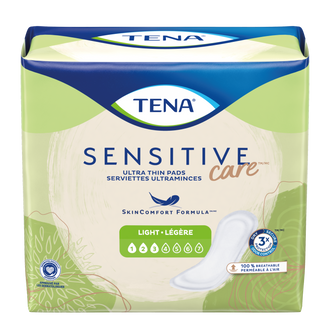
These pads are enriched with the SkinComfort Formula and feature a skin-friendly layer and 100% breathable materials. They offer triple protection against bladder leaks, odor, and wetness, ensuring comfort and peace of mind, whether you’re dealing with stress or urge incontinence.
Moving Forward with Confidence
Light bladder leaks are common, so there’s no need to be embarrassed.1 If you start noticing leaks, you don’t have to just put up with them. Speaking to your doctor can help you explore helpful treatments and easy ways to regain control.1
Understanding the types and triggers, making a few simple changes, and adding discreet products that fit easily into your routine can make a significant difference. With consistency, patience, and time, feeling comfortable and confident can become part of your everyday life again.
FAQs
How Common is Light Bladder Leakage in the US?
Light bladder leakage is very common and affects millions of people.1 But this doesn’t make it easy for people to talk about it or get help.
How to Deal with Bladder Leaks, Especially at Night?
Managing your evening fluid intake, avoiding bladder irritants, and maintaining a regular bathroom routine may help you with nighttime leaks.6
How Do I Deal with Embarrassment Due to Bladder Leakage?
Bladder leakage is a common condition, so you don’t need to feel embarrassed.1 Speaking to your doctor and taking small steps that fit into your routine can help you feel confident again.1
What Causes Incontinence?
Incontinence shows up for many reasons. It could be due to weak pelvic floor muscles, bladder overactivity, nerve signals, lifestyle factors, or underlying health conditions.1,3
References
1. Cleveland Clinic. ‘What causes stress incontinence’. 2021. Accessed 23 June 2024. Accessed: https://my.clevelandclinic.org/health/diseases/22262-stress-incontinence
2. Carlson M. Listen to your bladder: 10 symptoms [Internet]. Mayo Clinic Health System. 2023. Available from: https://www.mayoclinichealthsystem.org/hometown-health/speaking-of-health/listen-to-your-bladder
3. Cleveland Clinic. Urge incontinence: Causes, symptoms & treatment [Internet]. Cleveland Clinic. 2021. Available from: https://my.clevelandclinic.org/health/diseases/22161-urge-incontinence
4. How To Do Pelvic Floor Exercises [Internet]. Cleveland Clinic. Available from: https://health.clevelandclinic.org/how-to-do-pelvic-floor-exercises
5. MedlinePlus.gov. ‘Kegel exercises- self-care’. 2023. Accessed 24 June 2024. Available from: https://medlineplus.gov/ency/patientinstructions/000141.htm
6. Mayo Clinic Health System. ‘6 helpful tips for managing urinary incontinence’. 2022. Accessed 23 June 2024. Available from: https://www.mayoclinichealthsystem.org/hometown-health/speaking-of-health/6-helpful-tips-for-managing-urinary-retention-and-incontinence
7. UCSF Health. ‘Bladder Training’. Accessed 23 June 2024. Available from: https://www.ucsfhealth.org/education/bladder-training#:~:text=Bladder%20training%20is%20an%20important,urgency%20associated%20with%20the%20problem.
8. Brown S. Are You Peeing Too Often? Here’s What Urologists Say Is Normal [Internet]. Vol. 6, VeryWell Health. 2025. Available from: https://www.verywellhealth.com/are-you-peeing-too-often-11761801
9. Lillis C. Can obesity cause urinary incontinence? [Internet]. Medicalnewstoday.com. Medical News Today; 2024. Available from: https://www.medicalnewstoday.com/articles/can-obesity-cause-incontinence#weight-loss
10. Migala J. 5 Core Exercises That Also Strengthen the Pelvic Floor [Internet]. Everydayhealth.com. 2024 [cited 2026 Apr 2]. Available from: https://www.everydayhealth.com/fitness/core-exercises-that-also-strengthen-pelvic-floor/
11. Medical News Today. ‘What to know about urinary incontinence after childbirth’. 2022. Accessed 23 June 2024. Available from: https://www.medicalnewstoday.com/articles/urinary-incontinence-after-childbirth