Apr 16, 2026
When we’re talking about bladder health for women, we must keep in mind that it could mean different things for different people. For some, a healthy bladder could mean experiencing a day without discomfort or urges.1 For others, it could be a day without drips, dribbles, and leaks.
It's totally okay if you have incontinence or a urinary tract infection (UTI) affecting your bladder health. You should know that both are common and treatable, even if they’re not popular topics for discussion.2,3,4
In this female bladder health guide, we explain what a healthy bladder looks like, factors that affect it, and practical, everyday tips to help you with bladder control.
What Is Women’s Bladder Health?
Women’s bladder health is more than just being free from infections, tumors, or leaks.1 It includes your bladder's ability to store and empty urine when needed.1
Some factors could affect your bladder function as a woman, and they include:
- Pelvic floor weakening due to pregnancy and childbirth1
- Menopause1
- Lifestyle and daily habits like smoking1,2
- Female lower urinary tract anatomy4
While UTIs and incontinence could feel isolating, but they affect women of all ages.2,4 The good news is that, protecting bladder health in women is still possible with everyday healthy bladder habits.1
How the Female Urinary System Works
The male and female urinary systems both remove waste from the body, but subtle differences in anatomy could influence bladder health.5
Let’s take a closer look at the female urinary system and how its unique structure could support bladder health in women.
Female Bladder and Urethral Anatomy
Ever wondered about female bladder anatomy? Is it the same or different to a man? Well, let’s start with the bladder itself. It is a muscular, sac-like organ that sits on your pelvic floor, with its back resting against the vagina and uterus.6
Your pelvic floor acts as a supportive structure for your bladder and other organs, keeping them in place when activities like sneezing or coughing put them under strain.7 Life stages such as pregnancy and childbirth could weaken this support, which might contribute to leaks.1,5
The female urethra length is much shorter than in men and lies closer to the anus and vagina.5 This difference could make it easier for bacteria to enter the urethra, increasing the risk of a UTI.4

The Role of the Bladder and Urinary System
Your urinary system starts with your kidneys filtering your blood to remove waste and make urine.1 It travels down the ureters to the bladder, where it is stored until the bladder is almost full.1
During this phase, your urethral sphincter muscles and pelvic floor help keep the bladder closed, preventing leaks.1 When the bladder is nearly full, it sends signals to your brain.1 The bladder then contracts while your pelvic floor relaxes, allowing urine to flow through the urethra.1
What Healthy Bladder Function Looks Like in Women
Healthy bladder function could look like:1
- About eight bathroom visits during the day and at most one at night
- A strong, continuous stream of pee
- Completely emptying your bladder without pain or discomfort
It’s okay if you don’t fit perfectly into these boxes. Bladder function especially normal urination frequency could vary for each woman because of factors including:1
- Age
- Fluid intake
- Life stages
- Medications
Common Bladder Problems in Women
Bladder conditions could show up in different ways. Let’s look at some common conditions that can affect women, so you know when it may be time to speak to a doctor.
Urinary Incontinence
Urinary incontinence, or bladder leaks, refers to the unexpected loss of urine during everyday activities.8 While it could happen to anyone, female incontinence is more common because of life events like pregnancy, childbirth, and menopause.9
Although it could feel embarrassing, it is a common experience, and support and management options are available.3
Let’s look at the common types of female incontinence.
Stress Incontinence
Stress incontinence in women may be a result of a weakened pelvic floor, and life events like pregnancy or childbirth10 or aging1 could play a role. Once it’s weak, activities like sneezing, coughing, or exercising could add pressure on your bladder, causing leaks.7,9
Urge Incontinence and Overactive Bladder
Urge incontinence could happen when your bladder muscles contract suddenly.8 It could feel like frequent, strong urges to pee, sometimes leading to leaks.9 These urges come on quickly, leaving you little time to reach the bathroom.8
Mixed Incontinence
For some women, bladder leaks could happen as a mix of stress and urge symptoms.9
Nocturia
Nocturia in women could show up as waking multiple times at night to pee, disturbing your sleep.11 It may happen because of an overactive bladder or pregnancy.11
Urinary Tract Infections (UTIs)
Urinary tract infections in women are more common than in men and are the most common bacterial infection in the United States.4,12 In fact, 50–60% of women experience a UTI at least once in their lifetime.13
UTIs are often common in women because of the urethra's position, which is why sexual activity could easily allow bacteria to enter the urinary tract.4 Also, after menopause, lower estrogen levels could reduce protective factors around your vagina, making UTIs more likely.4
If you have a UTI, you might notice pelvic pain along with common symptoms like burning or pain when you pee.14,15 It could be helpful to see your doctor if you notice fevers, blood in your pee, or recurring infections.16
Pelvic Organ Prolapse
Both childbirth and menopause could affect your bladder position and control.10,17 Childbirth may weaken the pelvic floor and sometimes affect nerves, while reduced estrogen after menopause, affecting bladder support.10,17
Kidney Stones
Kidney stones are crystal-like deposits of minerals and other substances in your urinary tract.18 Dehydration and other factors could increase the risk, which is why staying hydrated is important.18
Kidney stones often cause pain in your lower back, stomach, or sides, though it is usually more subtle in women than in men.18
Pregnancy, Postpartum, and Bladder Health
Pregnancy and the months after delivery could bring changes that affect your bladder health and how it works. Let’s explore what these changes might look like.
Bladder Changes During Pregnancy
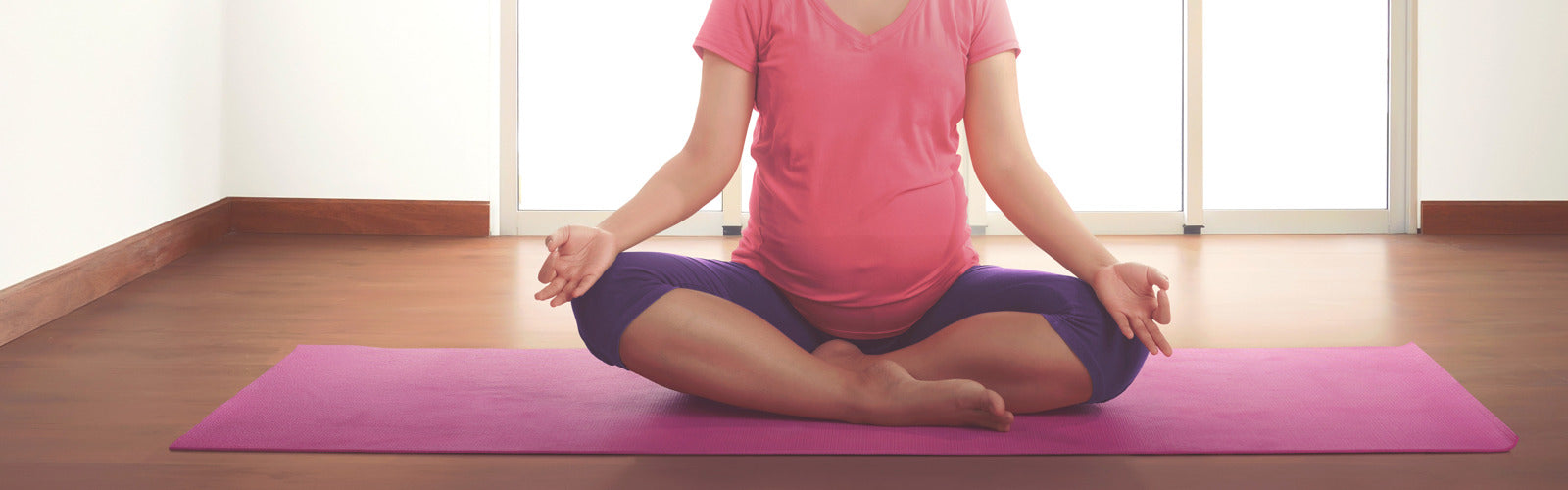
Pregnancy could bring hormonal and physical changes that affect bladder control in women.
Hormonal changes
Hormonal shifts could affect your urinary tract and make you need to use the bathroom more often than usual.19
Physical changes
As the uterus grows, it could place pressure on the bladder. This pressure could lead to frequent urination, nocturia, or temporary stress incontinence during pregnancy.10, 11
Postpartum Bladder Recovery
During vaginal delivery, the pressure it places on the pelvic floor muscles and nearby nerves could affect bladder control and cause postpartum incontinence.10
It’s okay to feel concerned, but in many cases, symptoms improve as the body heals.10 If you still notice leaks after some time, talking with your doctor is a helpful first step.
Regular pelvic floor exercises during and after pregnancy could also help reduce the risk of future leaks, and help persistent postpartum bladder weakness.1,10
Menopause and Bladder Changes
As women go through menopause, changes in estrogen levels could affect the bladder and urinary system. Let’s take a closer look at how the connection between menopause and bladder health.
Genitourinary Syndrome of Menopause (GSM)
GSM is a condition that happens when estrogen levels drop.20 It affects the vagina, vulva, and lower urinary tract, leading to symptoms like:20
- Urinary incontinence
- Urinary tract infections
- Painful intercourse
- Urinary urgency and frequency
It could feel overwhelming, but you could find relief with the right support and care.20
How Estrogen Affects the Bladder
Bladder changes during menopause occur because of low estrogen levels, which could affect your urinary comfort and control.
These hormonal shifts may cause vaginal thinning and dryness, along with changes in vaginal pH that could increase the risk of recurrent UTIs.1,13 You could also start to experience leaks or sudden urges to pee thanks to these hormonal shifts during menopause.20,21
Causes of Bladder Leaks in Women
Bladder leaks could show up for several reasons. Some everyday changes and life stages could make them more likely.
Pelvic Floor Weakness
Pelvic floor weakness could happen for several reasons. Some of them are:
- Aging: The pelvic floor muscles lose their tone as we age.1 When age-related weakness comes with other risk factors like menopause and childbirth, stress incontinence could occur.5
- Chronic constipation: Constipation is common, but if it persists, it could weaken your pelvic floor.22,23
- High-impact exercise: Exercises like burpees and jumping could place repeated pressure on the pelvic floor muscles over time, especially after childbirth.24
Hormonal Changes
Hormone levels change during key life events. You may experience hormonal changes leading to more frequent peeing during pregnancy.10 And estrogen levels drop around menopause (perimenopause) and continue to do so during and after (post-menopause).25 These hormonal changes could affect pelvic floor strength, which may make bladder leaks more likely.25
Medical Conditions That Affect Bladder Function
Certain conditions could increase your risk for bladder leaks, including:
- Diabetes: Could affect the nerves that help with bladder control.26
- Obesity: Puts extra pressure on the bladder.1
- Urinary tract infections: Can irritate the bladder and cause temporary leaks.27
- Neurological disorders: Conditions like dementia may increase the risk of incontinence.1
Diabetes could affect your bladder function too. Our article explains the connection between diabetes and bladder function in detail.
Lifestyle Factors
Sometimes, everyday habits could trigger bladder leaks. Some lifestyle factors include:
- Alcohol and caffeine: These drinks could increase urinary urgency and make your bladder feel irritated.1,2
- Fluid habits: Not drinking enough water may make your pee more concentrated, which could irritate the bladder.1
- Smoking: Smoking could affect your bladder health by causing a persistent cough, which puts extra pressure on your bladder, increasing the risk of leaks.8
Looking for more habits that could affect your bladder health? Our article on how weight, diet and alcohol affect female incontinence goes in-depth.
Diagnosing Bladder Problems in Women
When you see your doctor, they will start by asking questions about your symptoms, past, and present health conditions.
These conversations, along with tests and a physical examination, could help your doctor better understand your symptoms and make a diagnosis.21
Tests and Assessments You May Be Offered
Your doctor might recommend some assessments or medical tests to help diagnose bladder problems. Some of them include:
- Bladder diary: Shows how much you pee and when leaks happen. Your doctor may ask you to keep one for 2 to 3 days before your appointment.21
- Pelvic examination: Helps check for signs of pelvic floor weakness and menopause.21
- Ultrasound imaging: Looks at the kidneys, ureters, and bladder to check for abnormalities.9
- Urine tests: Check for signs of infection or other abnormalities.8
- Urodynamic testing: Measures how well your bladder stores and releases pee.21
Check out this article about keeping a bladder diary
Managing Bladder Health Through Lifestyle Changes
Bladder conditions could disrupt your daily activities and sometimes bring feelings like frustration.
The good news is that healthy bladder habits could help prevent certain problems and improve symptoms over time.1 Small changes like these may help you feel more comfortable and confident throughout the day.
Pelvic Floor Exercises for Women
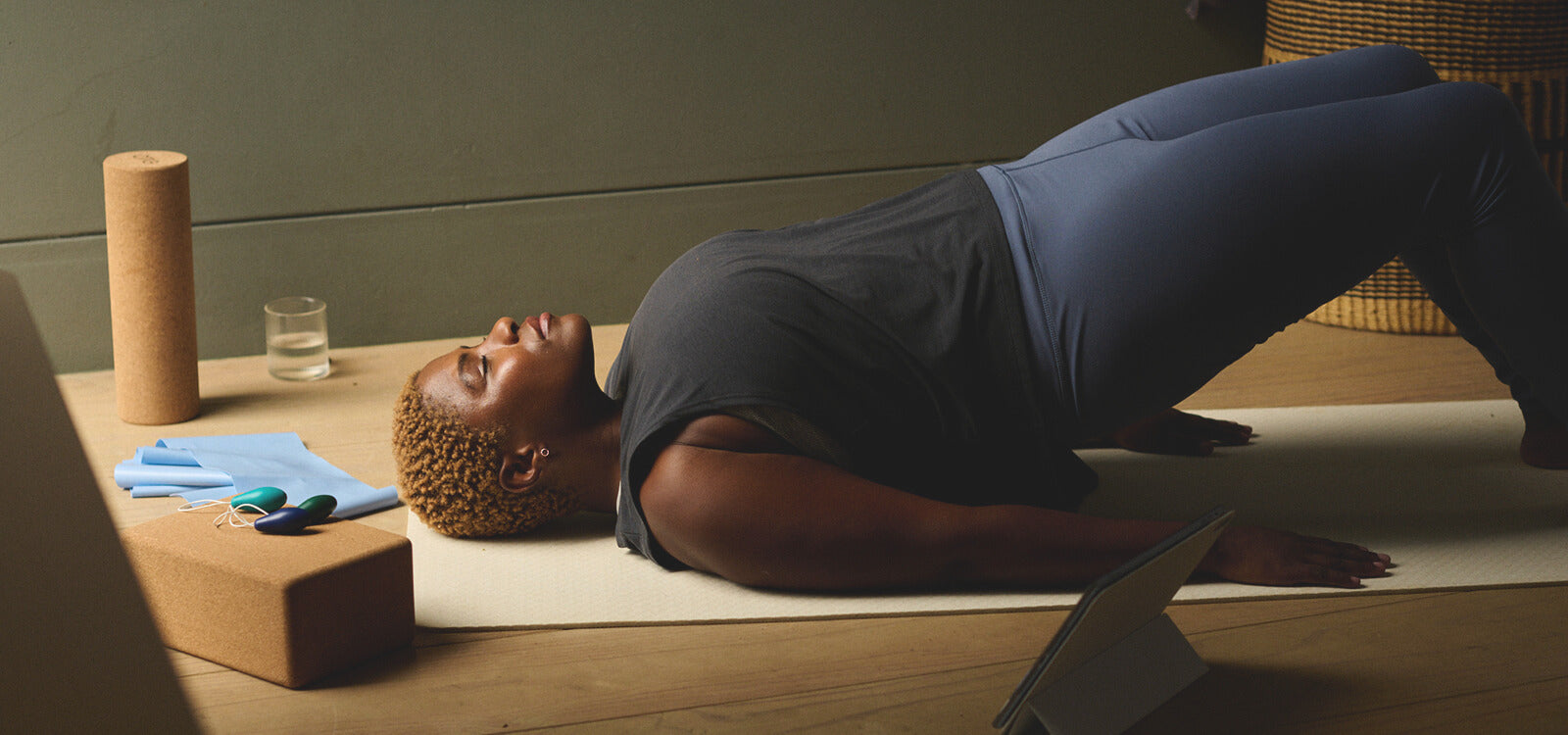
Consistent pelvic floor exercises, AKA Kegels, may help strengthen your pelvic floor muscles and support bladder control.8,21 To get started, you can learn more about pelvic floor exercises for women in our detailed guide.
Fluid Management
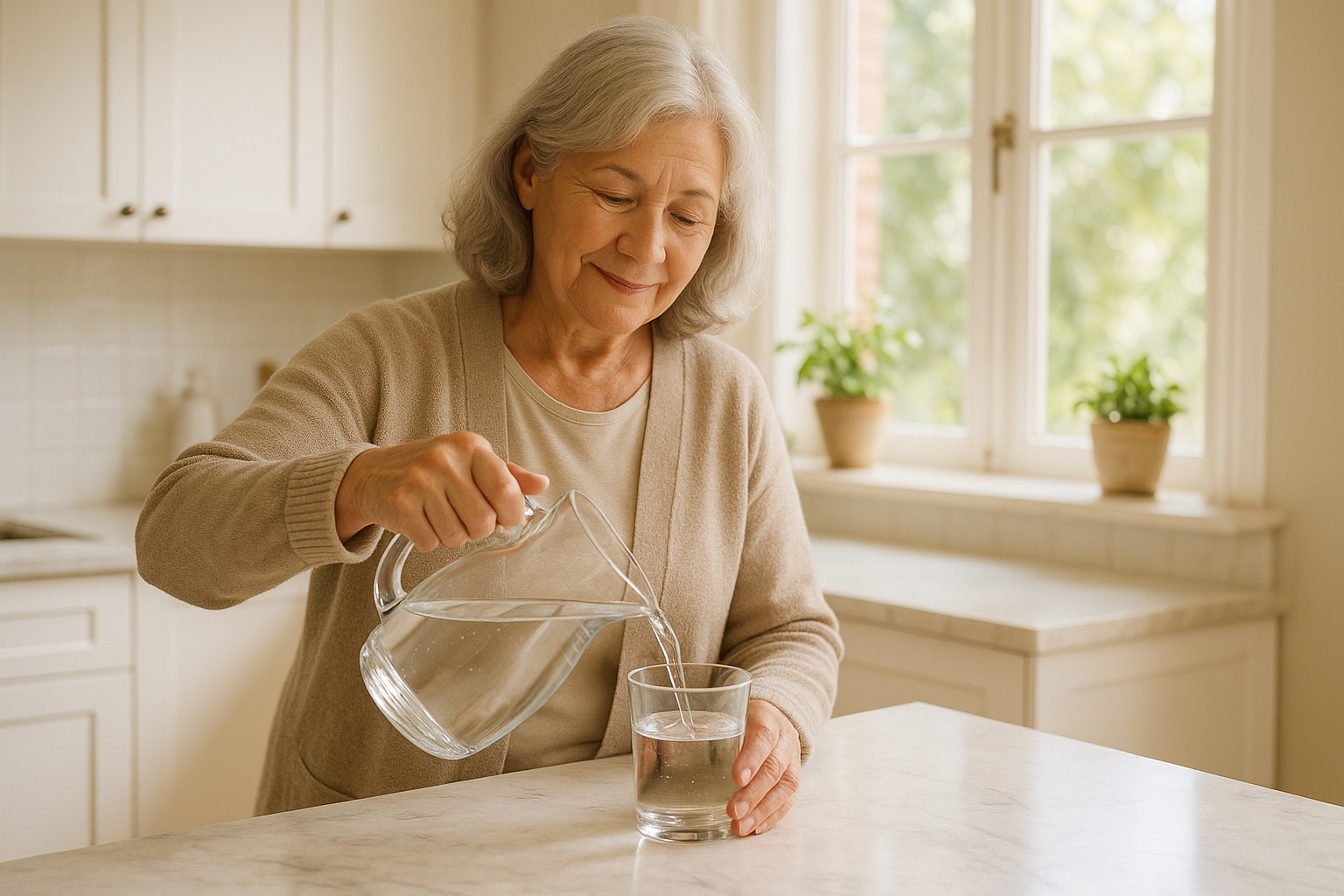
Hydration and bladder health go together. Balancing your fluid intake could help prevent bladder irritation.21 Limiting fluids before bed could also help reduce nocturia and leaks.11
Diet and Bladder Health
Avoiding foods and drinks that cause urinary urgency or discomfort could help improve bladder comfort.1 Some food and drinks that irritate your bladder include:1
- Alcohol
- Caffeine
- Tea
- Artificial sweeteners
- Acidic foods, like citrus fruits
Weight Management
Maintaining a healthy weight could help reduce pressure on your bladder and make leaks less likely.1 Regular physical activity also supports bladder health and may help prevent bladder problems.2
Exercising with bladder leaks could feel tricky, but it is possible. Our guide on exercising with urinary leakage for women could help you feel more comfortable.
Smoking and Bladder Health
Not only does quitting smoking help your bladder health, but it also supports overall well-being.1 Along with persistent coughing, smoking could irritate the bladder lining, causing leaks.28
Using Pads or Protective Underwear for Support
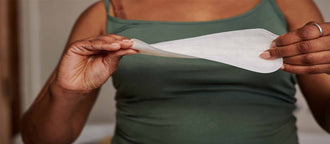
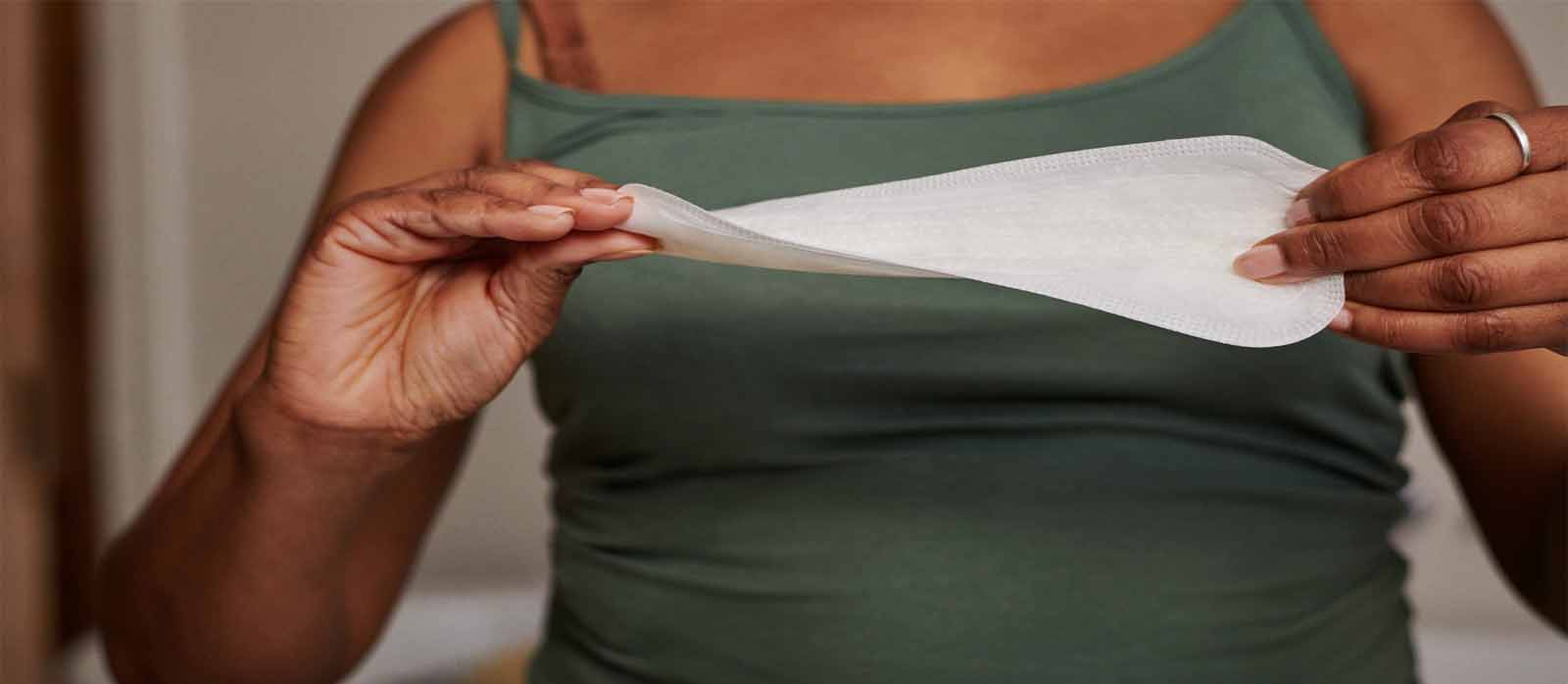
While getting treatment or managing bladder leaks with your doctor, absorbent products could help you stay dry, confident, and comfortable.
They are discreet and designed for the female anatomy, with various absorbency levels. They include:
- Women's incontinence pads: Discreet, reliable and best for light to moderate leaks.
- Women's incontinence underwear: Protects against moderate to heavy leaks with a natural look and feel of everyday underwear.
- Women's incontinence liners: Keeps you comfortable with light bladder leaks.
Choosing the right product can feel tricky. Our guides can help you through your incontinence journey:
- Urinary Incontinence Products: Types, Uses, and Care
- Tips How often should you change incontinence pads?
- What is an incontinence pad?
Take our quiz: How to choose the right incontinence product for women
Signs and Symptoms to Watch Out For
Knowing when to see your doctor could make all the difference in your care. Here are some signs that it may be time to reach out to your doctor.
Occasional Leaks Versus Ongoing Issues
Bladder leaks could get worse over time if left unchecked.29 That’s why noticing light bladder leaks when you cough or sneeze is a sign to speak with your doctor before they become more frequent.29
Urgency, Frequency, and Nighttime Urination
Diabetes could sometimes cause bladder symptoms that feel like incontinence or other urinary issues.30 That’s why it’s a good idea to see your doctor if you notice any of these signs:30
- Urinary urgency Bladder leaks Nocturia Frequent urination (AKA polyuria)
Burning or Pain with Urination
Feeling burning or pain when you pee could be a sign of a UTI. Getting treatment early helps protect your comfort and bladder health.15
If symptoms worsen or you notice pain in your lower belly, it’s a good idea to contact your doctor.16
Living Well with Bladder Issues
Incontinence doesn't have to stop you from doing what you love. The right support and guidance could help you remain active, travel, and attend social events with confidence. Remember, bladder leaks are common and manageable.2,3
FAQs
What Is the Point of Getting a Bladder Scan if You Already Have Symptoms?
Even if you have symptoms, a bladder scan could help. This test shows how well your bladder empties, helping your doctor understand what’s going on and guide next steps.31
Can Menopause Cause Bladder Leaks?
Yes, it happens because of low estrogen levels around, during, and after menopause.25 This hormonal change could weaken your pelvic floor muscles, which may lead to leaks.25
Are Bladder Leaks Normal After Having a Baby?
Bladder leaks could occur after childbirth, but they often improve over time as your body heals.10 If your symptoms persist, it’s okay seeing your doctor could help.10
What Is a Superfood for Bladder Health?
Some foods and drinks that could help support bladder health include:32
- Pears
- Bananas
- Lean proteins
- Green beans
- Potatoes
Want more options? Check out our comprehensive guide on foods and drinks for a healthy bladder.
What Are Early Signs of Bladder Cancer in Women?
Early signs of bladder cancer could be similar to other bladder conditions.33 That’s why medical evaluation, such as bladder screening tests, is important if you notice any of these signs:33
- Blood in your pee
- Pain while peeing
- Sudden, urgent need to use the bathroom
Here is a list of bladder cancer symptoms in women to help stay prepared.
References
1. Lukacz ES, Sampselle C, Gray M, MacDiarmid S, Rosenberg M, Ellsworth P, et al. A healthy bladder: a consensus statement. International Journal of Clinical Practice. 2011 Sep 16;65(10):1026–36.
2. 9 Tips for Female Bladder Health - Alliance Urology [Internet]. Alliance Urology. 2024 [cited 2026 Mar 5]. Available from: https://allianceurology.com/9-tips-for-female-bladder-health/
3. WebMD Editorial Contributors. Treatment for Urinary Incontinence [Internet]. WebMD. WebMD; 2007. Available from: https://www.webmd.com/urinary-incontinence-oab/treatment-for-urinary-incontinence
4. Czajkowski K, Broś-Konopielko M, Teliga-Czajkowska J. Urinary tract infection in women. Menopausal Review. 2021;20(1):40–7.
5. Men vs. Women – How Gender Differences Shape Urological Wellness - Urology Journal [Internet]. Urology Journal. 2025. Available from: https://www.urologyjournal.org/how-gender-differences-shape-urological-wellness/
6. Vasković jana. Urinary bladder and urethra [Internet]. Kenhub. 2023. Available from: https://www.kenhub.com/en/library/anatomy/urinary-bladder-and-urethra
7. Crumbie L. Muscles of the pelvic floor [Internet]. Kenhub. 2022. Available from: https://www.kenhub.com/en/library/anatomy/muscles-of-the-pelvic-floor
8. Newman T. Urinary incontinence: Treatment, causes, types, and symptoms [Internet]. www.medicalnewstoday.com. 2017. Available from: https://www.medicalnewstoday.com/articles/165408
9. Marcin A. Urinary Incontinence in Women: Types, Treatments, and Outlook [Internet]. Healthline. 2023. Available from: https://www.healthline.com/health/incontinence-in-women
10. Childbirth & Incontinence - Urogynecoloy & Pelvic Health | UCLA Health [Internet]. www.uclahealth.org. Available from: https://www.uclahealth.org/medical-services/womens-pelvic-health/patient-education/childbirth-incontinence
11. The Healthline Editorial Team. Excessive Urination at Night (Nocturia) [Internet]. Healthline. Healthline Media; 2012. Available from: https://www.healthline.com/health/urination-excessive-at-night
12. Foster K, Polgreen LA, Faine B, Polgreen PM. 1675. Epidemiology of Urinary Tract Infections in the United States, 2009 - 2018. Open Forum Infectious Diseases. 2020 Oct 1;7(Supplement_1): S823–3.
13. Al Lawati H, Blair BM, Larnard J. Urinary tract infections: Core curriculum 2024. American Journal of Kidney Diseases [Internet]. 2024 Jan;83(1):90–100. Available from: https://www.ajkd.org/article/S0272-6386(23)00837-5/fulltext
14. Urinary Tract Infection: Symptoms, Diagnosis, and Treatment [Internet]. Healthline. 2023. Available from: https://www.healthline.com/health/urinary-tract-infection-adults
15. Centers for Disease Control and Prevention. Urinary tract infection basics [Internet]. Urinary Tract Infection. 2024. Available from: https://www.cdc.gov/uti/about/index.html
16. Watson S. What Are the Symptoms of UTIs? [Internet]. WebMD. WebMD; 2024. Available from: https://www.webmd.com/a-to-z-guides/uti-symptoms
17. Prolapsed Bladder Basics [Internet]. WebMD. 2024. Available from: https://www.webmd.com/women/prolapsed-bladder
18. Cleveland Clinic. Kidney Stones: Symptoms, Causes, Diagnosis, Treatment & Prevention [Internet]. Cleveland Clinic. Cleveland Clinic; 2021. Available from: https://my.clevelandclinic.org/health/diseases/15604-kidney-stones
19. Britt T. Frequent urination during pregnancy: Causes and what to do [Internet]. www.medicalnewstoday.com. 2021. Available from: https://www.medicalnewstoday.com/articles/frequent-urination-during-pregnancy
20. Lucian Șerbănescu, Mirea S, Ionescu P, Petrica LA, Ionut Ciprian Iorga, Surdu M, et al. Involuntary Urine Loss in Menopause—A Narrative Review. Journal of Clinical Medicine [Internet]. 2025 Oct 29;14(21):7664–4. Available from: https://pmc.ncbi.nlm.nih.gov/articles/PMC12610368/
21. Shenot PJ. Urinary Incontinence in Adults [Internet]. Merck Manual Consumer Version. Merck Manuals; 2023 [cited 2026 Mar 2]. Available from: https://www.merckmanuals.com/home/men-s-health-issues/disorders-of-urination/urinary-incontinence-in-adults?autoredirectid=37682
22. American Pregnancy Association. Constipation During Pregnancy [Internet]. American Pregnancy Association. 2020. Available from: https://americanpregnancy.org/healthy-pregnancy/pregnancy-health-wellness/constipation-during-pregnancy/
23. Ames H. Are constipation and frequent urination related? [Internet]. Medicalnewstoday.com. Medical News Today; 2025 [cited 2026 Mar 5]. Available from: https://www.medicalnewstoday.com/articles/can-constipation-cause-frequent-urination#the-link
24. Khowailed IA, Pinjuv-Turney J, Lu C, Lee H. Stress Incontinence during Different High-Impact Exercises in Women: A Pilot Survey. International Journal of Environmental Research and Public Health [Internet]. 2020 Nov 12;17(22). Available from: https://pubmed.ncbi.nlm.nih.gov/33198262/
25. Holland K. Menopause and Urinary Incontinence [Internet]. Healthline. 2019. Available from: https://www.healthline.com/health/menopause/urinary-incontinence
26. Incontinence and Diabetes | American Diabetes Association [Internet]. Diabetes.org. 2025. Available from: https://diabetes.org/incontinence-and-diabetes
27. fletcher J. Can a UTI cause incontinence? Symptoms and treatment [Internet]. www.medicalnewstoday.com. 2020. Available from: https://www.medicalnewstoday.com/articles/uti-and-incontinence
28. Modern Urology [Internet]. Modern Urology, Colorado. 2024. Available from: https://modernurology.com/how-does-smoking-aggravate-overactive-bladder-symptoms/
29. Incontinence – Life with Disease – Overview of Information and Clinical Research [Internet]. European Clinical Trials Information Network. 2025. Available from: https://clinicaltrials.eu/disease/incontinence/incontinence-life-with-disease/?
30. Woolley E. How Type 2 Diabetes Affects the Urinary Tract [Internet]. Verywell Health. 2022. Available from: https://www.verywellhealth.com/diabetes-and-urination-1087713
31. Leslie SW, Tran LN, Puckett Y. Urinary Incontinence [Internet]. Nih.gov. StatPearls Publishing; 2024. Available from: https://www.ncbi.nlm.nih.gov/sites/books/NBK559095/
32. 10 Foods Your Bladder Will Fall in Love With - Urology Care Foundation [Internet]. www.urologyhealth.org. 2018. Available from: https://www.urologyhealth.org/healthy-living/care-blog/10-foods-your-bladder-will-fall-in-love-with
33. Bladder Cancer Signs and Symptoms [Internet]. www.cancer.org. Available from: https://www.cancer.org/cancer/types/bladder-cancer/detection-diagnosis-staging/signs-and-symptoms.html