Apr 14, 2026
Occasional bladder leaks are more common than you might think, and they can show up in different ways.1 Some people experience light, infrequent leaks, while others notice more persistent signs that could be defined as chronic incontinence.1,2
Because the type and severity of leakage can change over time,1 understanding incontinence is a helpful first step. You’ll also be able to spot bladder health changes more easily.
Whether your symptoms are mild or ongoing, support and treatment options are available to help you.
In this article, we’ll explore the occasional leaks, as well as chronic incontinence, and share some practical tips for managing your condition with confidence.
What Are Occasional Bladder Leaks (LBL)?
Light bladder leakage is a mild form of stress incontinence that’s usually easy to manage.1,3 It happens when small amounts of pee escape during coughing, sneezing,3,4 or even lifting something heavy.
While this could be a sign that your pelvic floor muscles are a bit weak, these occasional leaks don’t necessarily mean you have chronic (ongoing) incontinence.1,5 Light bladder leaks also tend to be predictable, happening in these specific situations.
What Causes Light Bladder Leaks (LBL)?
When your pelvic floor muscles weaken, you could experience what’s called stress urinary leaks.6 Some factors could lead to a weakening of these muscles, including:
- Childbirth: Vaginal birth could affect the pelvic floor.6
- Pregnancy: Extra pressure from your growing uterus can weaken your pelvic floor.7
- Menopause: Lower estrogen levels could reduce muscle and tissue support.8
- Prostate or uterus removal: Surgery could affect nearby muscles and tissues.7
- Persistent coughing and high-impact exercise: Both increase pressure in your abdomen, which can put extra strain on your pelvic floor and weaken its support.9,10

Who Is Most Likely to Experience LBL?
- Women, after vaginal delivery6
- Women who are menopausal8
- Men, after prostate surgery7
- Smokers9 High impact athletes10
How Often Do These Leaks Happen?
This form of urinary incontinence is infrequent and usually tied to actions like sneezing or coughing as they briefly put pressure on your abdomen.2 LBL tends to remain mild and can often improve with the right support.5
What Are the Types of Incontinence?
Some types of incontinence are triggered by certain actions or activities, while others may feel sudden or harder to manage. These are the main ones:
- Stress incontinence: A weak urethra or pelvic support could cause leaks when you cough, sneeze, or laugh.2
- Urge incontinence: This is a sudden, strong, and frequent need to pee that can sometimes lead to leaks.2
- Overflow incontinence: You feel as if your bladder is full and you have to strain to pee.2
- Functional incontinence: Physical or mental challenges make it harder to reach the toilet in time.2
- Mixed incontinence: A combination of stress and urge incontinence symptoms.2
All these types can become chronic with time, and the symptoms could worsen if the condition isn’t treated.1,5
Many people don’t see their doctors because they are too embarrassed or they think nothing can be done.1 But remember bladder control issues are common in both men and women, and your doctor has helped many patients with the same symptoms.

What Is Chronic Incontinence?
When you have chronic incontinence, you experience ongoing bladder leakage that can be unpredictable, frequent, and may occur during everyday activities.2 It can affect your comfort, confidence and quality of life.
The condition typically requires specialized management and may require medical support. But with your doctor’s guidance and the right treatment, it’s possible to feel more empowered and in control.2
When Do Occasional Leaks Become Chronic?
If you notice leaks starting to affect your daily life or happening more often, it could be a sign that the condition is becoming chronic.1,5 Reaching out to your doctor early on can often prevent your condition from getting worse.1
Signs to Look Out For
As bladder control problems become more persistent, you may start to notice certain changes or symptoms, such as:2
- Waking up several times during the night to pee (nocturia)
- Peeing more frequently
- Sudden, strong urges to pee
- Unintentional leaks
- Feeling like you can’t fully empty your bladder
- Needing to use absorbent products more often
Risk Factors for Chronic Incontinence
Certain risk factors could increase your risk for long-term incontinence, including:
- Pelvic floor damage: Multiple births, long labors, or vaginal delivery can weaken the pelvic floor, causing leaks.11
- Diabetes: Can lead to frequent peeing, which may strain pelvic muscles.11
- Chronic constipation: Puts extra pressure on pelvic muscles, increasing the chance of leaks.11
- Aging: As you get older, the risk of persistent incontinence may rise.12
- Neurological conditions: Conditions such as stroke can affect your ability to get to the toilet in time.2, 12
- Prostate surgery: In some cases, incontinence may persist for years after surgery.13

Occasional Leaks vs Chronic Incontinence: Key Differences
Knowing what the key differences are between occasional leaks and chronic incontinence will help you understand them better. These are the main ways to tell these two conditions apart:
Frequency and Severity
Leaks that tend to happen infrequently and usually involve small drips of urine are occasional leaks.1,4
Chronic incontinence, on the other hand, involves leakage that occurs more frequently and may happen without a clear trigger.2 The amount of urine you lose may be moderate to heavy, and you may also experience urgent or frequent urination. 2
Underlying Causes
Occasional leaks are often linked to a pelvic floor muscle weakness6 and can be triggered by actions like coughing, sneezing, or exercising.3,4
Chronic incontinence may be associated with underlying issues like changes in pelvic structures, nerve-related problems, or ongoing difficulty with the muscles that control bladder function. 11,12,13
When to See a Doctor
It’s best not to wait for health issues to resolve by themselves. Rather book an appointment to catch problems early on and give you peace of mind. You should see a doctor if there’s:
- Blood in your pee2
- Pain2
- Worsening symptoms of incontinence
- Symptoms affecting your mental or emotional well-being1
How Is Chronic Incontinence Diagnosed?
The consultation is usually a straightforward process. Your doctor will ask about your medical history, the symptoms you’re experiencing, and your lifestyle habits.2
They might also ask you to keep a three-day bladder diary to track your incontinence symptoms.2
Using your history, physical exam, and simple routine tests like a urine sample, your doctor then makes a diagnosis and creates a treatment plan tailored to you.2
Treatment and Management
The treatment and management of light bladder leaks and chronic incontinence are different. In general, occasional leaks respond well to exercises targeting the pelvic floor muscles (these are tailored to both men and women), and lifestyle changes.14 Light absorbency products help keep catch leaks and keep you dry and comfortable.
Chronic incontinence may require medication, exercises targeting the bladder, specialist therapy, and products offering more absorbent protection.2
How to Manage Occasional leaks
In many cases, mild symptoms can improve with the simple, consistent approaches we’ve mentioned with your doctor’s guidance. Let’s go into a bit more detail:5,14
Lifestyle Changes
- Relooking your diet to maintain a healthy weight.14
- Being overweight can weaken pelvic floor muscles put pressure on your bladder.7
- Quitting smoking.14 Smoking can lead to coughing and put you at risk of incontinence.7 It can also make incontinence worse.8
- Managing constipation.8 You can do this by increasing your fiber intake and exercising more.7
- Avoiding bladder irritants like coffee and alcohol.8 Managing your fluid intake15 because too little or too much can make your symptoms worse.7 Avoiding drinking large amounts of fluids close to bedtime.
Pelvic Floor Exercises
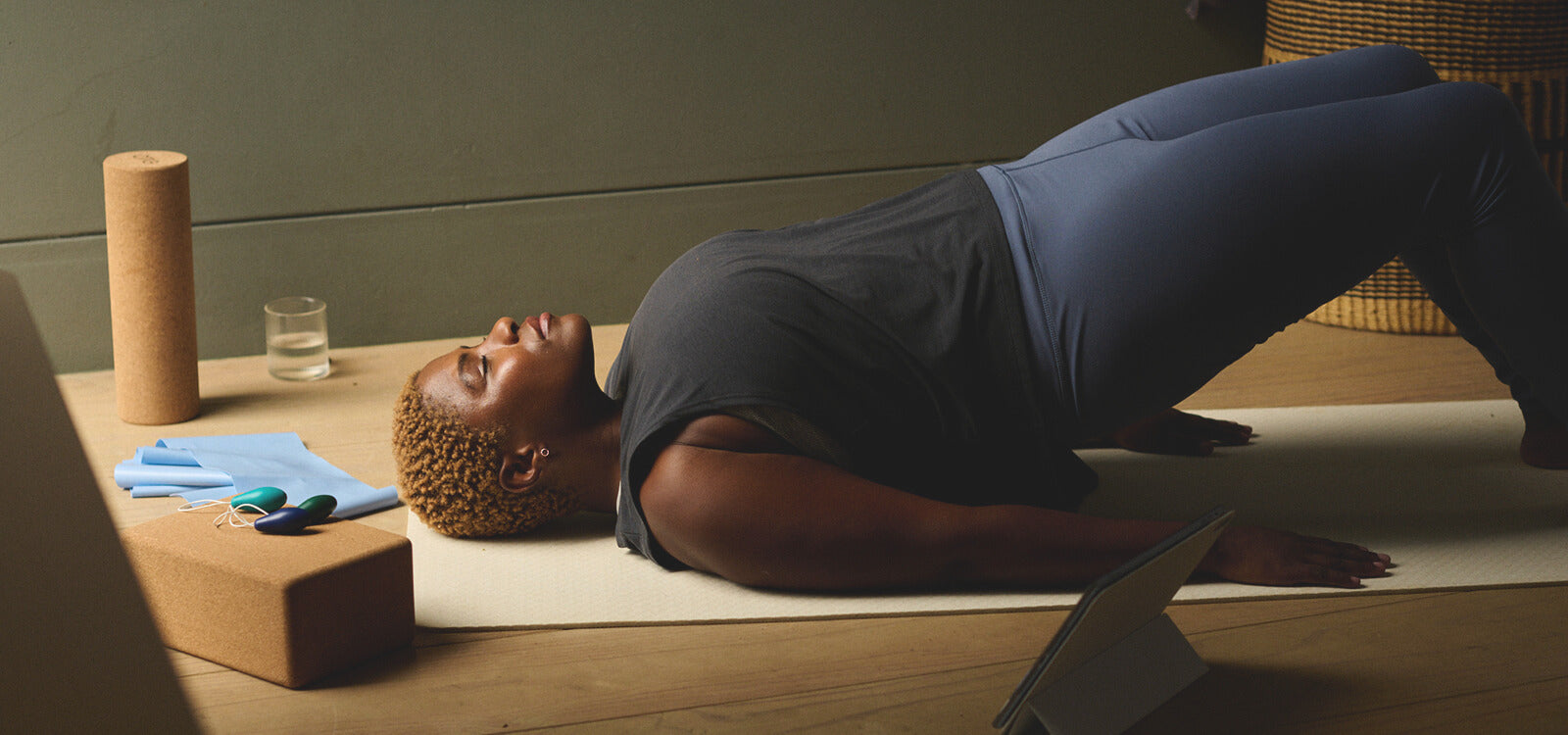
Your doctor may refer you to a specialist who can guide you in performing pelvic floor exercises,7 which involve gently squeezing and relaxing the muscles around the anus and urethra.7 When practiced regularly and correctly, these exercises help strengthen the muscles that support the bladder and control urine flow.14
For more information and to get started, have a look at our comprehensive pelvic floor exercise guide.
Incontinence Products
Incontinence products are designed to be discreet, supportive and effective when you’re dealing with bladder leaks. Some light absorbency options are:
- Men’s shields provide a natural fit, giving you comfortable leak protection.
- Men’s washable incontinence underwear can be worn and washed many times, making them a cost-effective choice.
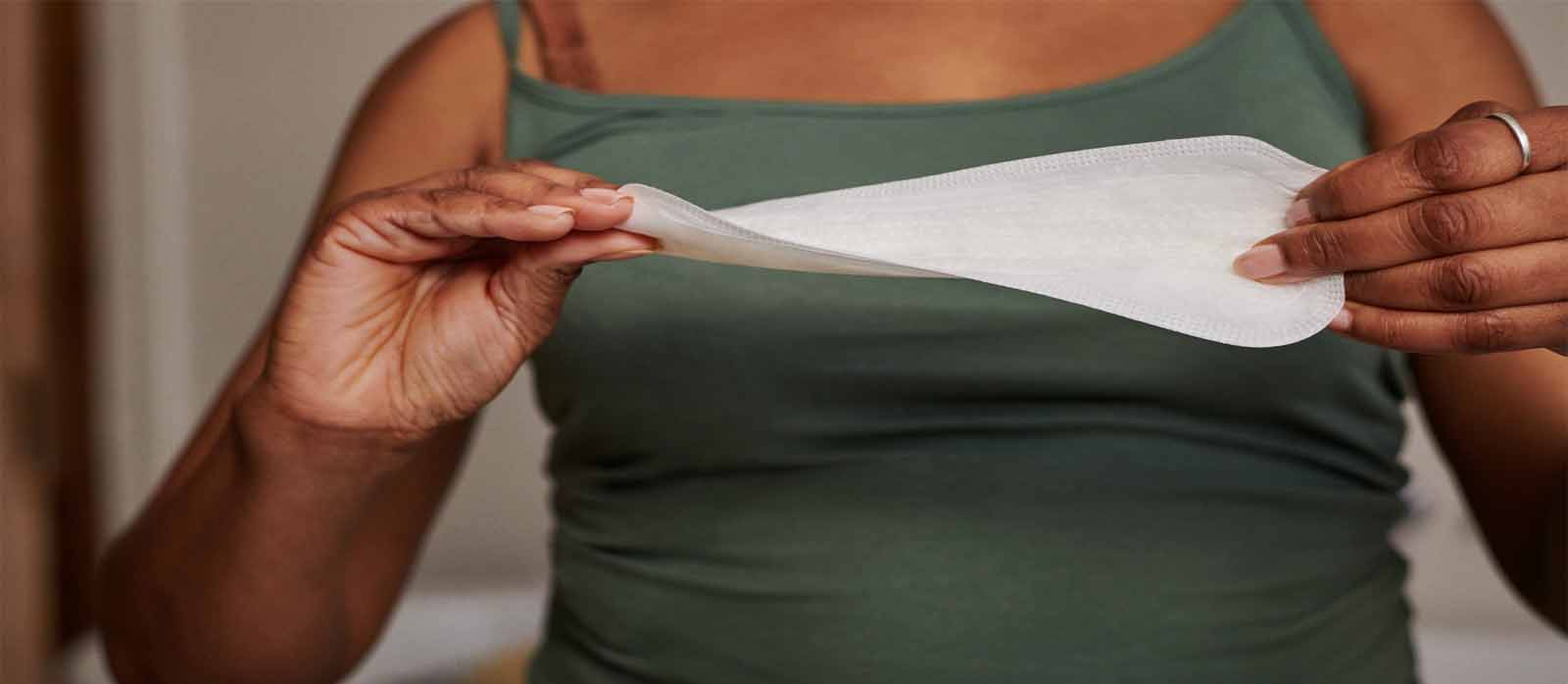
- Women’s incontinence liners look like menstrual pads, but they’re made to absorb light bladder leaks.
How Is Chronic Incontinence Treated?
It’s understandable to be concerned about your ongoing bladder issues but a visit to your doctor is important. Even chronic symptoms can improve with the right approach, which your doctor will base on the type and severity of your incontinence.2 This may include:2
- Medication
- Hormone therapy
- Medical devices, such as a catheter
- Surgery in more severe cases
Bladder Training and Rehabilitation
Bladder training gradually helps improve bladder control by teaching your bladder to hold urine for longer periods, delaying bathroom visits.2 It can also involve timed voiding, where you go to the bathroom at set intervals during the day.2,8 Urge suppression techniques help you reduce the feeling of urgency through mental distraction, relaxation techniques and quick pelvic muscle contractions.2 Once that feeling has passed, you can go to the bathroom.
If you have mixed incontinence, bladder training can be combined with pelvic floor exercises.7 With consistency, bladder training can help reduce feelings of urgency, improve bladder control, and support better daily comfort.
Lifestyle Changes
If you’ve been diagnosed with chronic incontinence, you can also benefit from certain lifestyle adjustments.
Try to aim for a healthy weight (your doctor can advise what this is for you). Losing excess weight relieves pressure on your bladder. It may improve your symptoms and they could even disappear.7
Your bowel health is important. Constipation makes you strain and can cause your symptoms to worsen. Eating enough fiber, staying active and hydrated can keep your bowel movements regular.7
Timing your fluid intake. Drink fluids throughout the day to stay hydrated (6 to 8 glasses unless directed otherwise by your doctor 7). Reduce your fluids closer to bedtime as this helps manage urgency and nighttime bathroom visits.
For more tips, read our article on lifestyle changes for bladder health.
Incontinence Products
While you work with your doctor to regain bladder control, incontinence products designed for moderate to heavy leaks could make every day a little easier to navigate. Here are some options to consider:
- Men’s incontinence guards are discreet and offer higher absorbency than shields, giving you protection from moderate leaks.
- Men’s incontinence underwear fits like your regular briefs, providing comfort and protection throughout the day.
- Women’s incontinence pads provide reliable protection for moderate to heavy leaks, helping you stay comfortable and confident all day.
- Women’s incontinence underwear feels like everyday underwear, offering discreet, comfortable protection for moderate to heavy leaks.
- Unisex incontinence briefs offer reliable protection for heavier leaks and are caregiver-friendly, designed for individuals with limited mobility.
Figuring out the right product for you can be tricky. You may also be new to using them. That’s why we created these guides to help you:
- Find the right male product
- What is an incontinence pad
- How to wear male pads and shields
- How often to change male pads
Bladder Leaks: Common but Not the Same
Let’s recap. Occasional leaks are usually small drips that happen in certain situations, like when you cough or sneeze, and the condition can be easily managed.1,3,4
With chronic incontinence, leaks show up more often, they could be unpredictable, and you might need extra support or medical help.2
By understanding the difference and tracking your symptoms effectively, you can take action sooner and feel more confident about managing your bladder health.1
Frequently Asked Questions
Is Occasional Leaking Normal?
Occasional leaks are more common that people realise. They tend to happen because your pelvic floor weakens during life stages like pregnancy and menopause.7,8
Does Occasional Leaking Always Lead to Chronic Incontinence?
Occasional leaks don’t always progress to chronic incontinence. But booking a doctor’s appointment early on is important for the right diagnosis and to treat your symptoms.7,14
Can Men Experience Occasional Leaks?
Yes, men can experience light bladder leaks after prostate surgery, but they often resolve over time.13
Is Chronic Incontinence Permanent?
Although some cases of chronic incontinence could persist, some may improve with the right treatment and support.2,5
References
1. Incontinence – Life with Disease – Overview of Information and Clinical Research [Internet]. European Clinical Trials Information Network. 2025. Available from: https://clinicaltrials.eu/disease/incontinence/incontinence-life-with-disease/?
2. Hu JS, Pierre EF. Urinary Incontinence in Women: Evaluation and Management. American Family Physician [Internet]. 2019 Sep 15;100(6):339–48. Available from: https://www.aafp.org/pubs/afp/issues/2019/0915/p339.html
3. Fernández-Cuadros ME, Albaladejo-Florín MJ, Álava-Rabasa S, Pérez-Moro OS, Lorenzo-Gómez MF. Stress and Urgency Urinary Incontinence: Clinical-Urodynamic Correlation and Rehabilitation Management in Daily Clinical Practice. SN Comprehensive Clinical Medicine. 2022 Jul 9;4(1).
4. Hwang JC, Sun FJ, Su TH, Lau HH. Efficacy of Biofeedback and Electrostimulation-Assisted Pelvic Floor Muscle Training between Women with Mild and Moderate to Severe Stress Urinary Incontinence. Journal of Clinical Medicine [Internet]. 2022 Oct 29;11(21):6424. Available from: https://pubmed.ncbi.nlm.nih.gov/36362651/
5. Hagan KA, Erekson E, Austin A, Minassian VA, Townsend MK, Bynum JPW, et al. A prospective study of the natural history of urinary incontinence in women. American Journal of Obstetrics and Gynecology [Internet]. 2018 May 1 [cited 2022 Nov 30];218(5): 502.e1–8. Available from: https://pubmed.ncbi.nlm.nih.gov/29425839/
6. Yang X, Wang X, Gao Z, Li L, Lin H, Wang H, et al. The Anatomical Pathogenesis of Stress Urinary Incontinence in Women. Medicina [Internet]. 2023 Jan 1;59(1):5. Available from: https://www.mdpi.com/1648-9144/59/1/5
7. NHS. Causes - Urinary incontinence [Internet]. Nhs. 2019. Available from: https://www.nhs.uk/conditions/urinary-incontinence/causes/
8. Lugo T, Leslie SW, Mikes BA, Riggs J. Stress Urinary Incontinence [Internet]. Nih.gov. StatPearls Publishing; 2024. Available from: https://www.ncbi.nlm.nih.gov/books/NBK539769/'
9. Urology & Continence Care Today - Article: Effects of chronic cough on urinary incontinence ucct [Internet]. www.ucc-today.com. 2026. Available from: https://www.ucc-today.com/journals/issue/launch-edition/article/effects-of-chronic-cough-on-urinary-incontinence-ucct
10. Khowailed IA, Pinjuv-Turney J, Lu C, Lee H. Stress Incontinence during Different High-Impact Exercises in Women: A Pilot Survey. International Journal of Environmental Research and Public Health [Internet]. 2020 Nov 12;17(22). Available from: https://pubmed.ncbi.nlm.nih.gov/33198262/
11. Biswas B, Bhattacharyya A, Dasgupta A, Karmakar A, Mallick N, Sembiah S. Urinary incontinence, its risk factors, and quality of life: A study among women aged 50 years and above in a rural health facility of West Bengal. Journal of Mid-Life Health [Internet]. 2017;8(3):130. Available from: https://www.ncbi.nlm.nih.gov/pmc/articles/PMC5625577/
12. Devore EE, Minassian VA, Grodstein F. Factors associated with persistent urinary incontinence. American Journal of Obstetrics and Gynecology [Internet]. 2013 Aug 1;209(2): 145.e1-6. Available from: https://pubmed.ncbi.nlm.nih.gov/23659990/#:~:text=Results%3A%20Increasing%20age%20group%2C%20white
13. Cancer Research UK. Bladder problems after treatment for prostate cancer | Cancer Research UK [Internet]. www.cancerresearchuk.org. 2022. Available from: https://www.cancerresearchuk.org/about-cancer/prostate-cancer/practical-emotional-support/bladder-problems
14. Titman SC, Radley SC, Gray TG. Self-management in women with stress incontinence: strategies, outcomes and integration into clinical care. Research and Reports in Urology. 2019 Apr; Volume 11:111–21.
15. Leslie SW, Tran LN, Puckett Y. Urinary Incontinence [Internet]. Nih.gov. StatPearls Publishing; 2024. Available from: https://www.ncbi.nlm.nih.gov/sites/books/NBK559095/