Apr 14, 2026
Have you ever heard of keeping a bladder diary? If you’re living with occasional bladder leaks or chronic incontinence symptoms, it’s a simple way of tracking your bathroom habits, fluid intake, and symptoms.
Keeping a bladder diary — even for a few days — can reveal valuable insights into your daily routine and bladder health.
Let’s get into the details of what a bladder diary looks like and how to track bladder leaks throughout your day.
What Is a Bladder Diary?
You really don’t need a special or complicated incontinence symptom tracker. It could be a notebook, a phone app, or a printable bladder monitoring chart by your bedside. Choose a simple format that’s easy for you to use consistently.
Your doctor will advise you, but a bladder diary usually has a three-day template.1 This structured record gives your doctor the information they need to identify triggers, better understand your symptoms, and choose the right treatment plan for you.1
In it, you’ll record things like:
- fluid intake1
- bathroom visits1
- urgency and leakage episodes1
- pad usage2

Why You Should Track Your Symptoms
Bladder diaries are particularly useful when managing and understanding incontinence for the following reasons:
-
Identifying symptoms
Symptom tracking for bladder control shows how often leaks happen and how severe they feel.3 This makes it easier to identify whether you’re dealing with occasional leaks or chronic (ongoing) incontinence.3,4 -
Finding patterns and triggers
When you record details, it helps paint a clearer picture of your bladder habits. For example, these details may show that leaks happen more often for you at night or after triggers like caffeine, exercise, or coughing.1,2 -
Monitoring progress
If you begin bladder training, pelvic floor exercises, or make lifestyle changes, tracking your symptoms helps you see whether things are improving.5,6,7 Small changes also become easier to notice when you write them down. -
Being prepared
Bringing a completed incontinence tracker to your doctor’s appointment helps you feel more confident and prepared. It gives your doctor detailed information that makes it easier to spot patterns and have a more focused conversation about your bladder health.
What to Record Each Day
Daily bladder tracking may feel a little unfamiliar at first, but the goal isn’t perfection. It’s simply to record patterns that can help you understand your bladder habits. Here are the key things to record every day:
Fluid intake
Record the time of each drink,2 how much you drink and what you drink, as certain fluids can increase urine or even irritate your bladder, like coffee, sodas, tea, or alcohol.8 This helps your doctor narrow down which drinks might be causing irritation.
Staying hydrated can feel tricky when you’re dealing with bladder leaks, because you may want to limit fluids. Our guide on hydration and your bladder could help you find a way to balance things out.
Bathroom visits (voiding)
The urinary frequency tracker section of your bladder diary lets you record each bathroom visit along with the volume.1 This helps your doctor understand your bladder capacity and whether you experience frequent urination.9
For this section, note the time of every trip to the bathroom.1 You can estimate the volume as small, medium, or large, or use a dedicated measuring cup for a more precise picture.2
Leakage and urgency episodes
Log any bladder leakage that happens during your day.1,2 Be sure to note the time of each episode, along with the amount, whether it’s a few drops, a small splash, or if your clothing or pads were soaked.1,2
Also, jot down what you were doing when the leak occurred, like exercising, coughing, sneezing, laughing, or even sleeping.1,2
If you experienced an urge, record how it felt: mild, strong, or sudden, and if you made it to the bathroom in time.1,2
These details, along with medical evaluations, help your doctor identify whether your leaks fit the symptoms of stress incontinence, urge incontinence, or an overactive bladder.4,10
Pad usage
Writing down how many pads you use each day and how wet they are when you change them, reveals the severity of your leaks.4 If you’re on treatment, it shows your progress.4
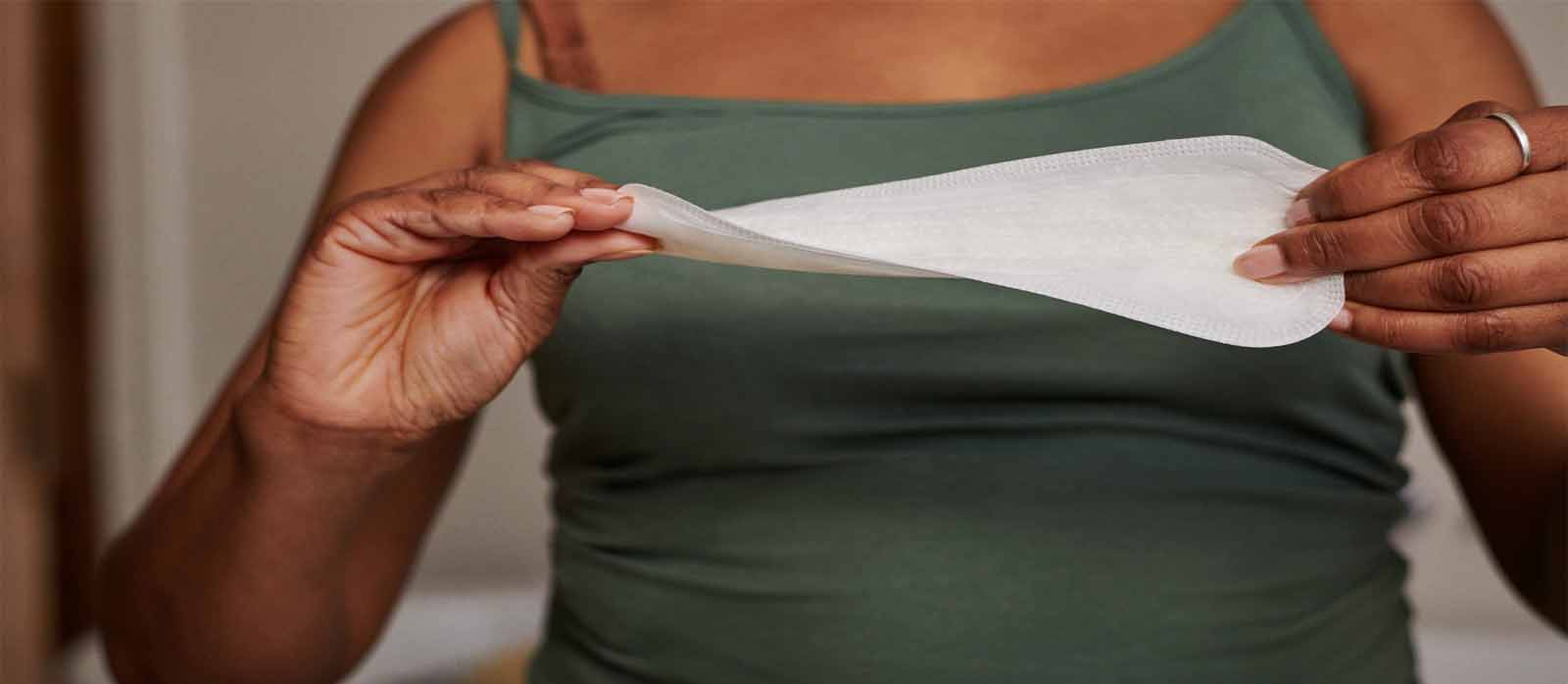
Incontinence pads catch drips, dribbles and larger leaks as they come in different absorbency levels. They are specifically designed for men and women, fitting your body securely and helping you feel confident as you go about your day.
How Long to Keep a Bladder Diary
Your doctor might recommend keeping a bladder diary for 3 days or sometimes for 7 days.4,11 Staying consistent is easier when you choose days, you’ll mostly be at home.2 Many people choose a weekend or a when they're on leave.
Try logging your symptoms on both weekdays and weekends, since your fluid intake and routines will vary.2
Sample Bladder Diary Template
No matter what format you’ve chosen for your bladder diary, the structure below is easy to use and replicate across your formats.
Suggested columns
For your incontinence symptom tracker, your columns should include:1
- Time
- Fluid intake (type and amount)
- Bathroom visits (yes/no and amount)
- Bladder leaks (yes/no and amount)
- Activity during bladder leaks
- Urge levels
- Product(s) used
We’ve created a bladder diary for you, to help you keep track. Download it now.
Tips for Accurate Tracking
Keeping a bladder diary works best when your entries are clear and consistent. Small habits can make the process much easier and help ensure the information you record is useful. The tips below can help you stay organized and on track:
- Record entries as they happen, rather than relying on memory.
- Keep sticky notes handy to note leaks when you’re away from your diary.
- Make tracking accessible by using an app or a bladder monitoring chart.
- Be honest and detailed when recording your symptoms.
- Remember to note nighttime episodes, including how often you wake up to use the bathroom.
Feeling hesitant or overwhelmed about logging your symptoms? That’s understandable, but with time and practice, you may find keeping a bladder diary empowering.
When to Share Your Bladder Diary
A bladder diary is most helpful when you share it with your doctor before or during your appointment. The information you’ve recorded can help guide your diagnosis and support a more personalized treatment plan.1
It’s also a good idea to share your diary if your symptoms change or worsen, as this can give your doctor important clues about what might be happening.1
Incontinence symptoms can also change over time, making regularly updating your bladder diary important.12
Living Confidently While Tracking Symptoms
Keeping a bladder diary doesn’t mean you have to slow down or give up your daily activities. You can continue with work, social activities, and exercise while tracking bladder leaks.
Using the right incontinence products will give you protection and peace of mind, while regular pelvic floor exercises may help improve bladder control over time.
By combining tracking with practical strategies, you can stay active, feel confident, and take positive steps toward better bladder health.
FAQs
Can a bladder diary help with incontinence?
Yes, a bladder diary could help you manage incontinence.1 It allows you and your doctor to identify patterns, guide treatment decisions, and improve your symptoms.1,2,4
How often should you change an incontinence pad?
This depends on the severity of the leaks you’re experiencing, your comfort, and lifestyle. 13 In general, it’s best to change pads when they become wet to help protect your skin and keep you comfortable.13
How do I get diagnosed with incontinence?
Your doctor will usually start by discussing your symptoms and reviewing your bladder diary.4 They may also use simple tests, like a urine sample, to diagnose the cause of your incontinence.4
Do I need to get a bladder screening?
Bladder screening is often recommended if you notice blood in your pee, your incontinence symptoms getting worse or you're finding it painful to pee.14,15 Always consult your doctor if your symptoms are affecting your daily life or comfort.
References
1. Martin L. How to use a bladder diary [Internet]. Medicalnewstoday.com. Medical News Today; 2024 [cited 2026 Mar 4]. Available from: https://www.medicalnewstoday.com/articles/bladder-diary#what-is-it
2. What is a bladder diary? Bladder Diary [Internet]. Available from: https://www.bbuk.org.uk/wp-content/uploads/2024/08/Bladder-Bowel-UK-Bladder-Diary-leaflet-5.pdf
3. Hu JS, Pierre EF. Urinary Incontinence in Women: Evaluation and Management. American Family Physician [Internet]. 2019 Sep 15;100(6):339–48. Available from: https://www.aafp.org/pubs/afp/issues/2019/0915/p339.html
4. Leslie SW, Tran LN, Puckett Y. Urinary Incontinence [Internet]. Nih.gov. StatPearls Publishing; 2024. Available from: https://www.ncbi.nlm.nih.gov/sites/books/NBK559095/
5. The bladder workout: Tame incontinence without surgery - Harvard Health [Internet]. Harvard Health. 2015. Available from: https://www.health.harvard.edu/diseases-and-conditions/the-bladder-workout-tame-incontinence-without-surgery
6. Fricke A, Lark SD, Fink PW, Mundel T, Shultz SP. Exercise Interventions to Improve Pelvic Floor Muscle Functioning in Older Women with Urinary Incontinence: A Systematic Review. Journal of Women’s Health Physical Therapy. 2021 Jul;45(3):115–25.
7. Imamura M, Williams K, Wells M, McGrother C. Lifestyle interventions for the treatment of urinary incontinence in adults. Cochrane Database of Systematic Reviews. 2015 Dec 2.
8. Zinsli G. Foods that can irritate your bladder [Internet]. Mayo Clinic Health System. 2025. Available from: https://www.mayoclinichealthsystem.org/hometown-health/speaking-of-health/food-and-bladder-symptom-links
9. Rychik K, Edeson M, Weiss J, Bushman W, Blaivas J. MP02-15The Voiding Frequency Index and Functional Bladder Capacity Index: Two New Indices Derived from Bladder Diaries. Journal of Urology. 2021 Sep;206(Supplement 3).
10. McKertich K. urinary incontinence Assessment in women: stress, urge or both? [Internet]. Available from: https://www.racgp.org.au/getattachment/b9e536a1-6e48-40b2-99fe-aa8ae45dc1db/attachment.aspx
11. Abrams P, Paty J, Martina R, Newgreen DT, van Maanen R, Paireddy A, et al. Electronic bladder diaries of differing duration versus a paper diary for data collection in overactive bladder. Neurourology and Urodynamics. 2015 Jul 14;35(6):743–9.
12. Incontinence – Life with Disease – Overview of Information and Clinical Research [Internet]. European Clinical Trials Information Network. 2025. Available from: https://clinicaltrials.eu/disease/incontinence/incontinence-life-with-disease/?
13. DeMarinis M, Kaschak TR, Newman DK. Absorbent Products for Incontinence. Clinical Application of Urologic Catheters, Devices and Products. 2017 Dec 10;149–72.
14. Can Bladder Cancer Be Found Early? [Internet]. www.cancer.org. Available from: https://www.cancer.org/cancer/types/bladder-cancer/detection-diagnosis-staging/detection.html
15. Bladder Cancer Signs and Symptoms [Internet]. www.cancer.org. Available from: https://www.cancer.org/cancer/types/bladder-cancer/detection-diagnosis-staging/signs-and-symptoms.html