Apr 17, 2026
Bladder health can be linked to the hormonal changes throughout a woman’s life.1 During menopause, this connection becomes a lot more noticeable. As your hormones shift, physical changes happen, including the way your bladder functions.2
Menopause-related bladder changes can come as a surprise and be uncomfortable. Luckily, many symptoms are manageable with lifestyle changes, hormone therapy or other medication.2
Let’s explore what happens during this life stage and how you could support your bladder health during menopause.
How Estrogen Supports Bladder and Urinary Health
Menopause is when your periods have stopped for over a year.2 This usually happens around the age of 52,2 but we must note that every woman is different. At this life stage, your ovaries gradually stop producing reproductive hormones.2
The reproductive hormone estrogen plays an important role in helping to keep your urinary system healthy. But when levels decline, these tissues may become thinner, weaker, or more sensitive.1,3,4,5 This shift could increase your risk of urinary tract infections (UTIs), vaginal irritation, and bladder leaks.1,3
Low Estrogen Changes During Menopause
Estrogen supports the pelvic organs and tissues and keeps your urethral lining thick,1 your bladder elastic4 and your pelvic floor muscles strong.5<
Genitourinary Syndrome of Menopause (GSM) is the medical term that’s used to describe sexual, urinary, and genital changes because of low estrogen levels.6 GSM could lead to symptoms like:6
- Vaginal dryness
- Bladder leaks
- Urinary discomfort, like urgency or frequent trips to the bathroom
- Urinary tract infections (UTIs)6,7
Bladder Changes During Menopause
Once you’ve entered menopause, you may start noticing some bladder-control changes.1,3 Some changes could be related to increased bladder sensitivity4 or your pelvic floor muscles getting weaker because of hormonal shifts.8 This is why bladder function can feel different during menopause, even if you had no problems earlier in your life.
Reduced Pelvic Floor Support
Collagen helps to keep your pelvic floor strong.8 During menopause, lower estrogen levels can reduce how much collagen your body produces, weakening pelvic floor muscles and increasing the risk of stress incontinence.8
Increased Risk of Leakage
Incontinence during menopause can show up in different ways. You could experience one of the following or a combination:
- Stress incontinence: When your pelvic floor muscles get weaker, this could lead to leaks during everyday actions like sneezing, laughing, or exercising.8,9 This happens because of temporary pressure on the bladder.8,9
- Urge incontinence: You might feel a sudden, intense urge to pee that could lead to leaks.9
- Mixed incontinence: This is a combination of both stress and urge incontinence.10
Relief Strategies for Menopause-Related Bladder Symptoms
Let’s look at some simple ways to support your bladder health and help ease the symptoms you might be experiencing.
Pelvic Floor Exercises
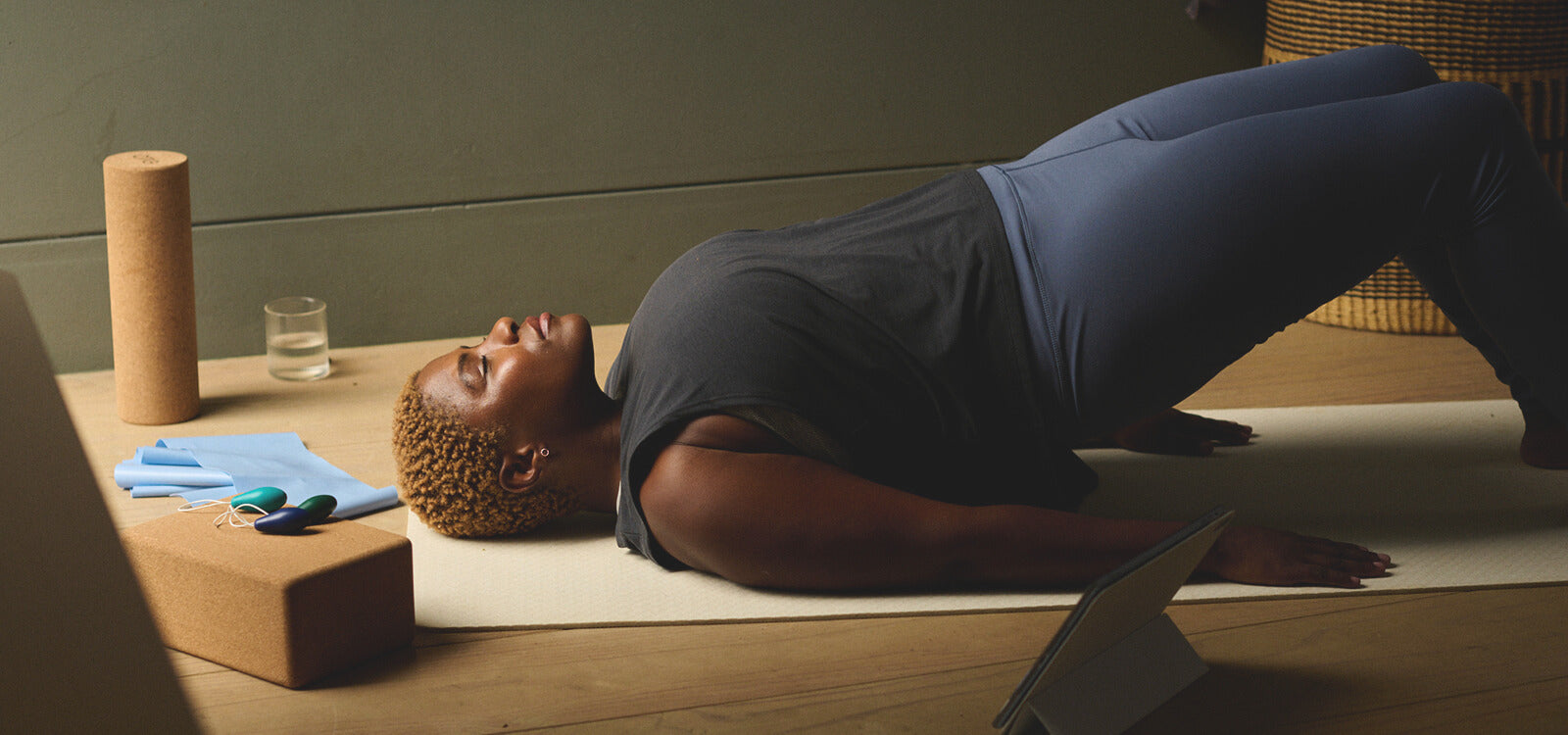
Regular pelvic floor exercises improve your bladder control by strengthening the muscles that support your urethra and bladder.10 Exercising them regularly could make a real difference over time.10
Healthy Bladder Habits
Practicing healthy bladder habits can help reduce UTIs and incontinence symptoms.9 They include:
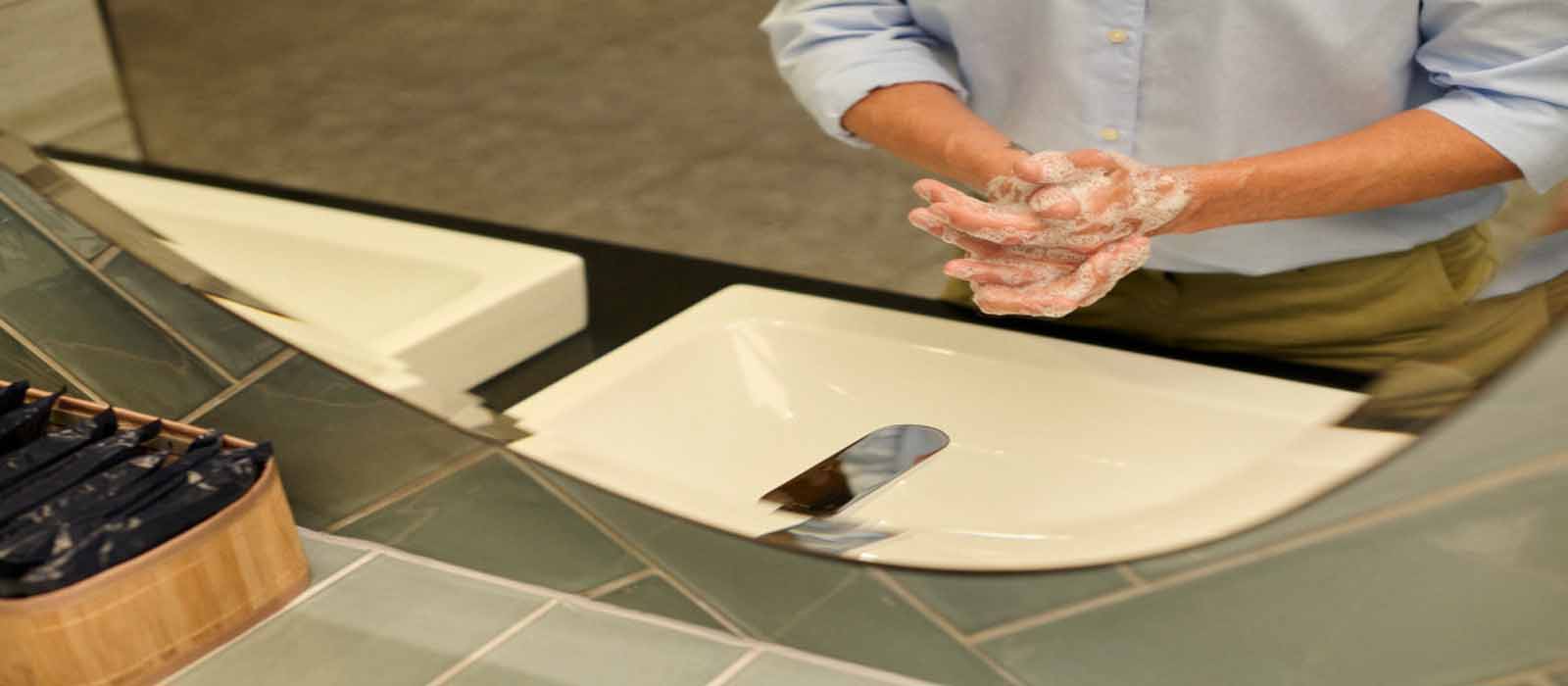
- Avoiding douching7
- Wiping from front to back7
- Having showers instead of baths7
- Avoiding bladder irritants like alcohol and caffeine9
Lifestyle Tweaks
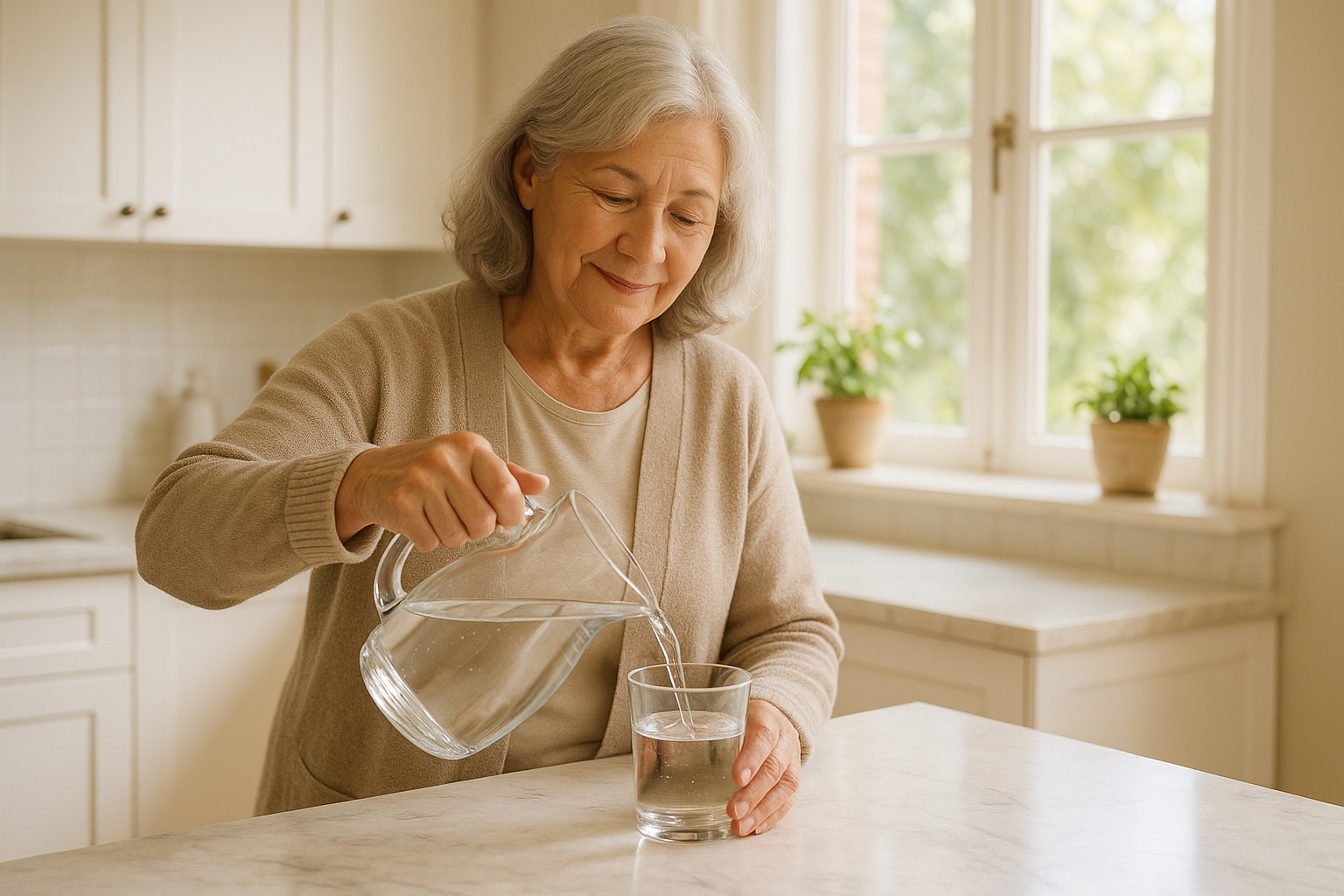
Some recommended changes to your daily habits are quite easy, like making sure you’re staying hydrated throughout the day.9 Others may take a bit more effort, like quitting smoking or working towards a healthy weight.9
If you’re struggling with a bit of menopausal weight gain, exercise really helps, while also improving your mental health and wellbeing. It doesn’t have to be complicated, though. Read our guide on the do’s and don’ts of exercise during menopause.
Talking to Your Doctor
You may feel embarrassed to talk to your doctor about menopause or the bladder changes you’re experiencing. But menopause is a natural stage every woman goes through, and your doctor is there to support you, whether it’s bladder leaks, infections, or vaginal dryness.
Ahead of your appointment, you could track your symptoms over a couple of days and record them in a bladder diary. You could also make a list of the questions you’d like to ask about your symptoms and management options. No questions are off the table when it comes to your health.
Medical Treatments
Once your doctor has diagnosed you, and depending on your symptoms, they could recommend the following:
- Vaginal estrogen therapy: These are rings, creams, or tablets that help vaginal and urethral strength and elasticity and improve bladder control.1011
- Medication: Depending on your type of incontinence, medication can help strengthen your urethra or relax your bladder muscles.11
- Surgery: For more severe cases, and if other options haven’t helped, your doctor might suggest surgery.11
Protective Support for Confidence
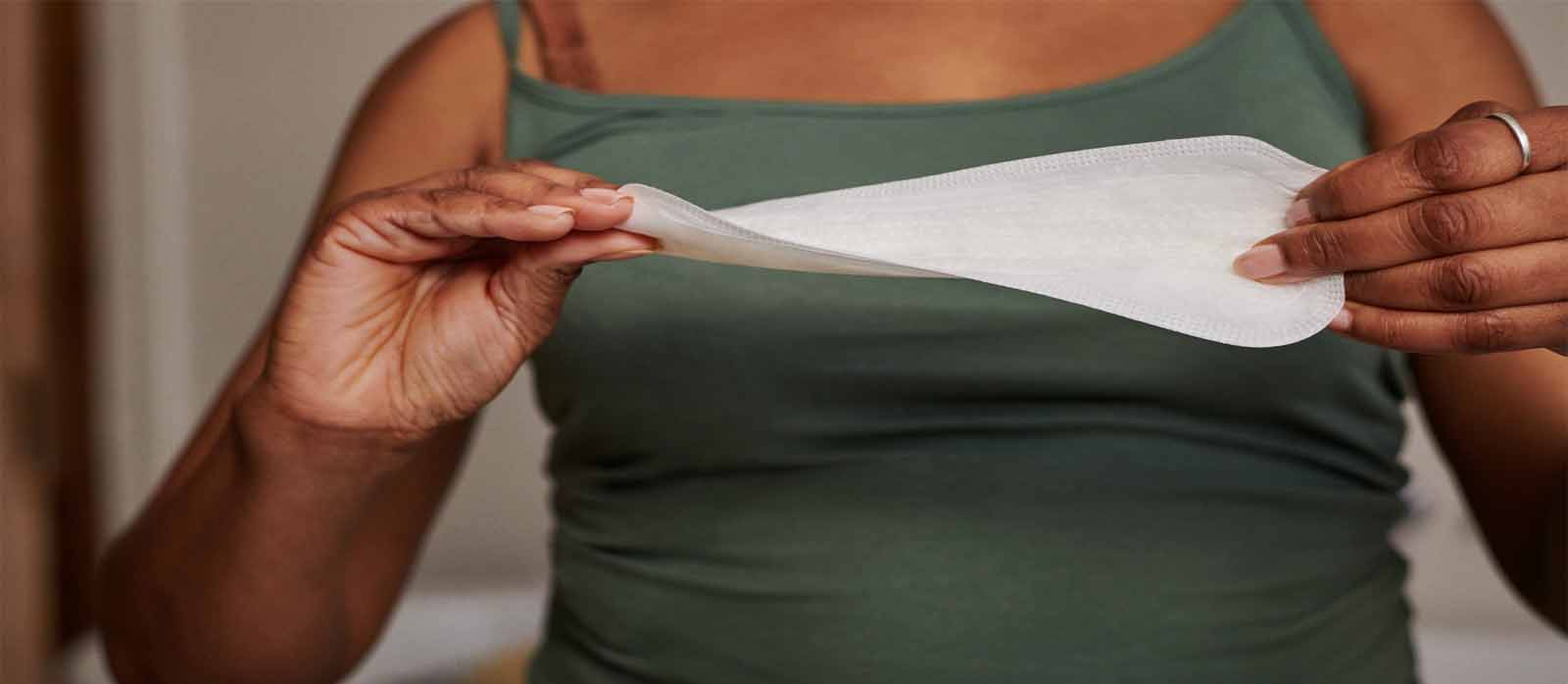
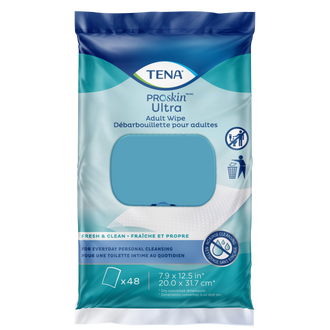
If you’re experiencing leaks, using discreet, comfortable, and effective products can make a big difference. Women's incontinence products are shaped to fit the body and provide targeted protection. There are various absorbency levels so you can choose an option that suits your needs and lifestyle:
- Women's incontinence liners: perfect for light bladder leaks
- Women's incontinence pads: discreet and comfortable for heavier leaks
- Women's incontinence underwear: a natural feel and fit for moderate to heavy leaks
Browse our full product range to find the perfect fit for you.
Building Long-Term Bladder Health After Menopause
Post-menopause is the period after menopause that lasts for the rest of your life. During this time, most symptoms fade or get milder.12 Sometimes, a few symptoms may linger because your estrogen levels stay low.12 Continuing with these lifestyle habits and maintaining them supports your overall well-being and your bladder health:
- Staying a healthy weight9,12
- Eating a balanced diet12
- Staying hydrated9
- Practicing regular pelvic floor exercises10 or yoga12
- Keeping up with your doctor appointments12
FAQs
Can Menopause Cause Bladder Problems in Women?
Yes, low estrogen levels may affect your bladder, urethra, and pelvic floor tissues, which could lead to bladder issues like incontinence.8 These changes are common during menopause and often manageable with the right support.2
What are the Urinary Problems Associated with Menopause?
Some urinary problems that can happen during menopause include:
- Urinary tract infections (UTIs)7
- Bladder leaks9
- Urinary urgency9
- Urinary frequency9
How Does Age Affect Bladder Health in Women?
As women age, lower estrogen levels could affect the bladder. This causes the thinning and weakening of the bladder and urethral muscles.13 But these changes are common and a natural part of aging.13
References
1. Lo SS, Lim EJ, Ng LG, Li T. The Role of Estrogen Status in the Causation of Female Lower Urinary Tract and Pelvic Floor Dysfunction. Current Bladder Dysfunction Reports. 2019 Jun 29;14(3):139–43.
2. Cleveland Clinic. Menopause. [Internet]. Cleveland Clinic. 2024. Available from: https://my.clevelandclinic.org/health/diseases/21841-menopause
3. Bodner-Adler B, Alarab M, Ruiz-Zapata AM, Latthe P. Effectiveness of hormones in postmenopausal pelvic floor dysfunction—International Urogynecological Association research and development—committee opinion. International Urogynecology Journal. 2019 Aug 7;31(8):1577–82.
4. Zhang C, Chen Y, Yin L, Deng G, Xia X, Tang X, et al. Investigating the Impact of Estrogen Levels on Voiding Characteristics, Bladder Structure, and Related Proteins in a Mouse Model of Menopause-Induced Lower Urinary Tract Symptoms. Biomolecules [Internet]. 2024 Aug 23;14(9):1044. Available from: https://www.mdpi.com/2218-273X/14/9/1044
5. Wang L, Geng M, Wei L, Wang S, Wang W, Liu X. Multidimensional regulation of estrogen signaling in pelvic floor connective tissue homeostasis and remodeling. Frontiers in Immunology. 2026 Jan 22;17.
6. Carlson K, Nguyen H. Genitourinary Syndrome of Menopause [Internet]. Nih.gov. StatPearls Publishing; 2024. Available from: https://www.ncbi.nlm.nih.gov/sites/books/NBK559297/
7. Weber B. Menopause and UTIs: Link, treatment, and prevention [Internet]. www.medicalnewstoday.com. 2022. Available from: https://www.medicalnewstoday.com/articles/menopause-and-uti
8. Zhang RQ, Xia MC, Cui F, Chen JW, Bian XD, Xie HJ, et al. Epidemiological survey of adult female stress urinary incontinence. BMC Women’s Health. 2021 Apr 22;21(1).
9. Menopause and urine incontinence - The Menopause Charity [Internet]. The Menopause Charity. 2025. Available from: https://themenopausecharity.org/information-and-support/symptoms/menopause-and-urine-incontinence/
10. Menopause And Incontinence: Treatments to Reclaim Your Confidence [Internet]. The Forbury Clinic. 2025. Available from: https://theforburyclinic.co.uk/blog/menopause-and-incontinence-treatments-to-reclaim-your-confidence/
11. Menopause and urinary incontinence - Guys and St Thomas Specialist Care [Internet]. Guy’s and St Thomas’ Specialist Care. 2024. Available from: https://guysandstthomasspecialistcare.co.uk/news/menopause-and-urinary-incontinence/
12. Cleveland Clinic. Postmenopause: Signs, symptoms & what to expect [Internet]. Cleveland Clinic. 2024. Available from: https://my.clevelandclinic.org/health/diseases/21837-postmenopause
13. Bladder Health Through the Decades: What to Expect as You Age - Alliance Urology [Internet]. Alliance Urology. 2024. Available from: https://allianceurology.com/bladder-health-through-the-decades/