Mar 25, 2026
Some women may notice unexpected bladder control issues after a hysterectomy.1 These changes can also happen several years later,1 especially after menopause.
In this article, we explore the link between hysterectomy and incontinence, how common bladder leaks are, and the practical steps you can take to manage symptoms and improve bladder control, so your everyday life can feel a bit easier.
Is Incontinence Common After Hysterectomy?
Bladder leaks after a hysterectomy are common, both in the weeks after surgery and many years later.2
The risk may also increase during menopause, when lower estrogen levels could affect your pelvic floor muscles.3
Dealing with incontinence can feel isolating and confusing, but you’re not alone in this experience.
Types of Incontinence After Hysterectomy
Incontinence refers to unexpected urine leaks that can happen during your everyday activities.4 After surgery, such as a hysterectomy, it could show up in different ways,2 like:4
- Stress incontinence: You might notice leaks when coughing, sneezing, or exercising.
- Urge incontinence (overactive bladder): You may feel a sudden, urgent need to pee, which could lead to leaks.
- Mixed incontinence: A combination of stress and urge incontinence may occur.
Why Does Urine Leakage Happen After Hysterectomies?
Some changes in how your bladder feels and works are normal as your body heals from a hysterectomy.
After surgery, nearby nerves and pelvic muscles may be irritated, which can lead to feelings of urgency, needing to pee more often, mild leakage, or bladder spasms. 5
You may experience these symptoms in the first few weeks while the swelling goes down and your body adjusts. Bladder spasms can cause urinary urgency, but often improve on their own as you heal.5
If you’re experiencing hysterectomy bladder problems, they may be caused by changes to your pelvic floor muscles, nerves, and hormone levels.6
Let’s take a closer look at the physical changes surgery may cause.
The Surgical Impact on Your Pelvic Floor Muscles and Urinary Tract
Your surgeon may use different techniques to perform a hysterectomy, including abdominal or vaginal.7 Research suggests that changes in bladder control may be linked to the type of hysterectomy performed. 8,9,10,11
It’s important to discuss your surgery in detail with your doctor to understand the procedure, the risks and what to expect post-op.1
Radical hysterectomy involves removing the uterus, cervix, upper vagina, and supporting tissues.7 It could affect your pelvic nerves and bladder-emptying function. 8,9 This may lead to issues like:8
- Urinary retention
- Recurrent urinary tract infections
- A weak stream
- Urinary hesitancy
- Urge incontinence
Supracervical hysterectomy involves removing the upper part of the uterus while leaving the cervix intact.7 Leaks may occur during your daily activities, like exercising, due to nerve changes during surgery.5,10
Simple hysterectomy is the most common type and involves removing the uterus and cervix.7 It may affect the nerves that help control your pelvic floor muscles, which could cause leaks when you cough, exercise or sneeze.3,11
Hormonal Changes
Estrogen plays an important role in keeping your bladder, urethra, and pelvic floor tissues strong and elastic.6,12
When estrogen levels drop, like during menopause, or if your surgeon removes your ovaries during a hysterectomy, these tissues could become less supportive, and make bladder control feel more difficult.6,12
How to Treat Urinary Incontinence After Hysterectomy
Your doctor may start with everyday changes before adjusting your treatment based on how severe or persistent your symptoms are. Your doctor would also consider the type of incontinence you’re experiencing.13
Here are some approaches used to tackle bladder leakage after a hysterectomy:
Kegel Exercises
Pelvic floor exercises, like Kegels, could help improve your bladder control by strengthening the muscles that support your bladder and urethra.13
These exercises involve gently tightening and relaxing the pelvic floor muscles.13 Your doctor may recommend doing them under the guidance of a trained professional for a specific length of time.14
Bladder Training
Bladder training techniques could help you achieve better bladder control.13 This approach involves gradually delaying trips to the toilet and building up the time as your bladder adjusts.13 You could start by waiting just 10 minutes after you feel the urge to go.13
Diet and Fluid Management
When managing urinary incontinence after a hysterectomy, your diet can play an important role. Try to avoid coffee and alcohol ― they can irritate the bladder and make you pee more often, which may lead to leaks.15
Staying hydrated and doing the physical activities recommended by your doctor could also help you manage your symptoms.14
Medications and Medical Devices
Your doctor may prescribe medication to manage leaks, such as vaginal estrogen to tone the tissues in the urethral and vaginal areas, or other treatments that help relax the bladder.13
They may also suggest medical devices, such as inserts or pessaries.13 A pessary is a small, flexible silicone device worn inside the vagina. It works by supporting the urethra to help reduce leaks.13
A urethral insert is a small, disposable device placed into the urethra before activities that may trigger leakage, like exercise.13 It works by gently blocking urine flow and is removed before using the bathroom.13
Always consult your doctor before using any device to ensure it’s right for you.
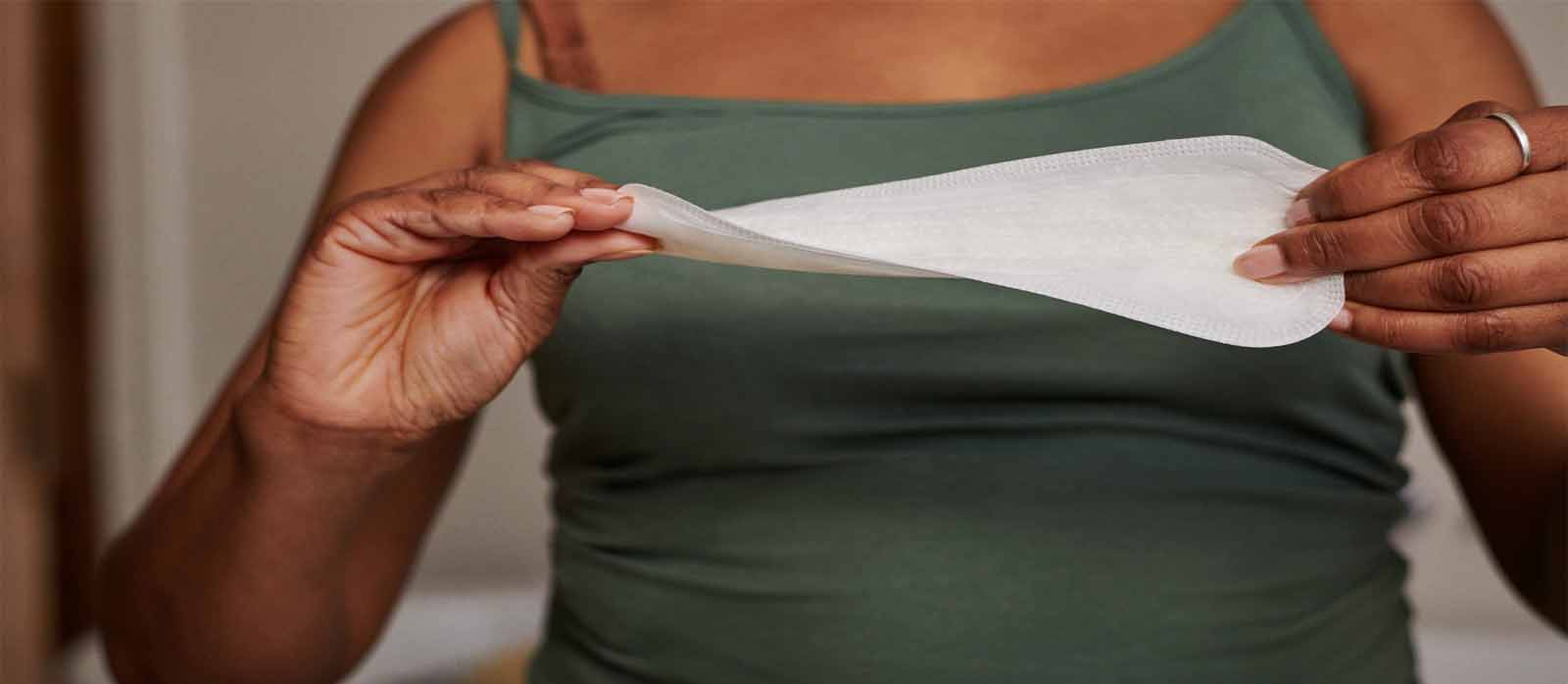
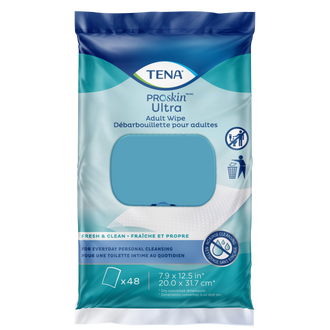
Managing incontinence after hysterectomy also involves choosing the right products. While you work with your doctor, incontinence products designed for women absorb unexpected leaks, helping you feel comfortable and confident all day.
Treating Urinary Incontinence After Total Hysterectomy with Acupuncture
Although there are limited studies, acupuncture alongside other treatments could help with bladder leaks.16,17 The treatment could have potential benefits, like:16
- Supporting nerves that help control peeing
- Training your pelvic floor muscles
- Relaxing your bladder
- Supporting nerve repair
The verdict is still to be determined for this type of treatment, and you should discuss this with your doctor if you are considering acupuncture.
How Long Does It Take for the Bladder to Heal After a Hysterectomy?
Regaining full bladder control after a hysterectomy can take time. For some women, it may take several months, and occasionally, it can take a year.18 Symptoms like urinary frequency, urgency, mild burning, and discomfort can occur in the days and weeks after surgery,18 but generally become milder with time.
Sometimes symptoms can also persist,18 but you should see your doctor immediately if you have:18
- Severe or worsening pain
- Persistent burning when you pee
- Fever
- Cloudy or foul-smelling urine
- Inability to pee
- Worsening bladder leaks
FAQs
What Should You Not Do After a Hysterectomy?
While you recover, limit foods and drinks that may irritate your bladder.18 Avoid lifting heavy items for as long as your doctor recommends.18 Instead of high-impact exercises, go on gentle, short walks.18 Also, don’t ignore persistent bladder symptoms. Make an appointment with your doctor if you are experiencing any.
How to Stop Bladder Leakage After a Hysterectomy?
With your doctor’s guidance, several options can help, like pelvic floor exercises (Kegels) to strengthen the muscles that support bladder control, and bladder training to gradually increase the time between bathroom trips.13
Lifestyle changes can also help ease symptoms, like adjusting your caffeine and alcohol intake, staying hydrated, and maintaining a healthy weight.15
References:
1. Chang OH, Saldanha IJ, Encalada-Soto D, Jalloul RJ, Rozycki S, Orlando M, et al. Associations between hysterectomy and pelvic floor disorders: a systematic review and meta-analysis. American Journal of Obstetrics and Gynecology [Internet]. 2025 Mar 20; Available from: https://www.sciencedirect.com/science/article/abs/pii/S0002937825001644
2. Kudish BI, Shveiky D, Gutman RE, Jacoby V, Sokol AI, Rodabough R, et al. Hysterectomy and urinary incontinence in postmenopausal women. International urogynecology journal [Internet]. 2014 Nov;25(11):1523–31. Available from: https://pubmed.ncbi.nlm.nih.gov/24964761/
3. Qian X, Ren D, Gu liJuan, Ye C. Incidence and risk factors of stress urinary incontinence after laparoscopic hysterectomy. BMC Women’s Health. 2024 Feb 8;24(1).
4. WebMD Editorial Contributors. Types of Urinary Incontinence [Internet]. WebMD. 2024. Available from: https://www.webmd.com/urinary-incontinence-oab/types-of-urinary-incontinence
5. Villines, Zawn. Overactive Bladder After Hysterectomy. Medical News Today. February 2, 2023. Available from: https://www.medicalnewstoday.com/articles/overactive-bladder-after-hysterectomy
6. Hysterectomy and Incontinence: What’s the Connection? [Internet]. Biology Insights. 2025 [cited 2026 Feb 4]. Available from: https://biologyinsights.com/hysterectomy-and-incontinence-whats-the-connection/
7. Welch J. Hysterectomy: Types, Indications, and Considerations. Research & Reviews: Journal of Clinical and Medical Case Studies JCMCS| [Internet]. 2023 [cited 2026 Feb 4];8. Available from: https://www.rroij.com/open-access/hysterectomy--types-indications-and-considerations.pdf
8. Jung Hyun Shin, Chan Hoon Gwak, Min Uk Park, Choo MS. Effects of different types of hysterectomies on postoperative urodynamics and lower urinary tract symptoms. Investigative and clinical urology [Internet]. 2022 Jan 1 [cited 2024 May 30];63(2):207–7. Available from: https://www.ncbi.nlm.nih.gov/pmc/articles/PMC8902418/
9. Arseni RM, De Angelis E, Cuccu I, Giannini A, Bogani G, Plotti F, et al. The Impact of Non‐Radical Hysterectomy on Urinary Functions: Evaluation of Symptoms—A Systematic Review and Meta‐Analysis. BJOG: An International Journal of Obstetrics & Gynaecology. 2025 Oct 17;133(3):391–400.
10. Aleixo GF, Fonseca MCM, Bortolini MAT, Brito LGO, Castro RA. Pelvic floor symptoms 5 to 14 years after total versus subtotal hysterectomy for benign conditions: a systematic review and meta-analysis. International Urogynecology Journal. 2018 Nov 22;30(2):181–91.
11. Chen V, Shackelford L, Spain M. Pelvic Floor Dysfunction After Hysterectomy: Moving the Investigation Forward. Cureus [Internet]. 2021;13(6):e15661. Available from: https://www.ncbi.nlm.nih.gov/pmc/articles/PMC8281107/
12. Holland K. Menopause and Urinary Incontinence [Internet]. Healthline. 2019. Available from: https://www.healthline.com/health/menopause/urinary-incontinence
13. Mayo Clinic. Urinary incontinence - Diagnosis and treatment - Mayo Clinic [Internet]. Mayoclinic.org. 2023. Available from: https://www.mayoclinic.org/diseases-conditions/urinary-incontinence/diagnosis-treatment/drc-20352814
14. NICE. Urinary incontinence and pelvic organ prolapse in women: management NICE guideline [Internet]. 2019. Available from: https://www.nice.org.uk/guidance/ng123/resources/urinary-incontinence-and-pelvic-organ-prolapse-in-women-management-pdf-66141657205189
15. Urology Care Foundation. Overactive Bladder (OAB): Symptoms, Diagnosis & Treatment - Urology Care Foundation [Internet]. www.urologyhealth.org. 2024. Available from: https://www.urologyhealth.org/urology-a-z/o/overactive-bladder-(oab)
16. Sun J, Zhang X, Cao T, Song Y. Treatment of urinary incontinence after total hysterectomy with acupuncture: A case report. Medicine [Internet]. 2019;98(20):e15687. Available from: https://journals.lww.com/md-journal/fulltext/2019/05170/treatment_of_urinary_incontinence_after_total.78.aspx#:~:text=Bladder%20and%20urethral%20injuries%20are
17. Piech E, Kalish J, Fan J, Xu B, Chu Y. A Case Study of Urinary Incontinence Treated with Acupuncture [Internet]. Heraldopenaccess.us. 2021. Available from: https://www.heraldopenaccess.us/openaccess/a-case-study-of-urinary-incontinence-treated-with-acupuncture
18. How Long Does It Take for Bladder to Heal After Hysterectomy? [Internet]. Biology Insights. 2025 [cited 2026 Feb 4]. Available from: https://biologyinsights.com/how-long-does-it-take-for-bladder-to-heal-after-hysterectomy/