Apr 16, 2026
Hormones influence many parts of the urinary system1 and show up throughout a woman’s life in many ways.
Hormonal incontinence can show up when you least expect it. You might notice bladder leaks, urgency, or more trips to the bathroom. These changes can be confusing, especially if you've never experienced bladder problems before.
In this article, we’ll explore how they affect bladder health, why this happens, and the treatment options available to help you feel supported at every life stage.
How Estrogen Affects Your Bladder and Urinary Tract
There is a link between estrogen and your urinary tract health. This important hormone has a considerable influence on your bladder, urethra, vagina, and the health of the surrounding tissues.1 Its functions include:
- Controlling bladder contractions and the urge to pee1
- Maintaining the thickness and elasticity of your vaginal and urethra1 lining1
- Creating a healthy environment that supports your bladder and vaginal health1 Improving blood flow to pelvic tissues2
When your estrogen levels drop, these functions may be affected.1,2 The tissues of your urethra and vagina become thinner and less elastic, and your bladder more sensitive.1
These changes could increase your risk of bladder symptoms, such as leaks and urgency.1 Some women also notice more infections or vaginal irritation.2
How Estrogen Supports Pelvic Health
Your pelvic floor is made up of muscles and connective tissues that help hold the uterus, vagina, rectum, and bladder in place.3 Estrogen helps these tissues stay strong and flexible.3
When hormone levels decline, the muscles and surrounding tissues may lose some strength and elasticity,3 reducing bladder support, and causing leaks.3,4
Pelvic Floor Health and Its Role in Women’s Bladder Control
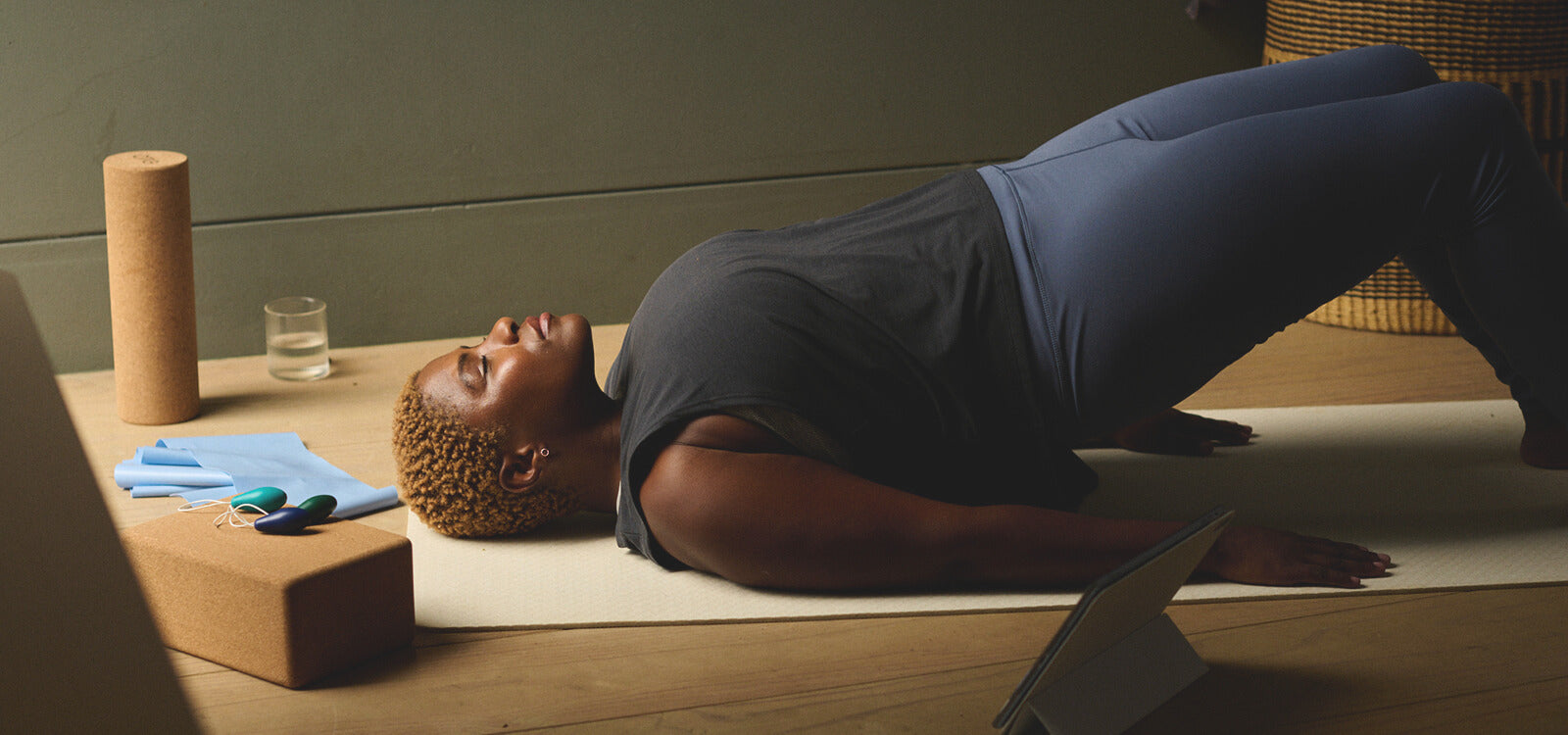
Because your pelvic floor muscles are linked to bladder control, exercising them, like any other muscle, can help them get stronger. Pelvic floor exercises, AKA Kegels, can make hormonal incontinence manageable4 over time, if you do them regularly.
They are also useful to do post-partum once your doctor has given you the go-ahead, along with other gentle, strengthening exercises.
What are Hormone-Related Bladder Symptoms?
When hormone levels fluctuate, during the menstrual cycle, pregnancy, or the transition to menopause,5,6,7 some women notice bladder-control issues and physical changes like vaginal dryness.
Menstrual Cycle Symptoms
Before and during your period, your hormones fluctuate, temporarily causing more trips to the bathroom and stronger urges to pee.5 These menstrual cycle urinary symptoms are caused by estrogen and progesterone shifts, affecting how your bladder feels.5
Pregnancy Symptoms
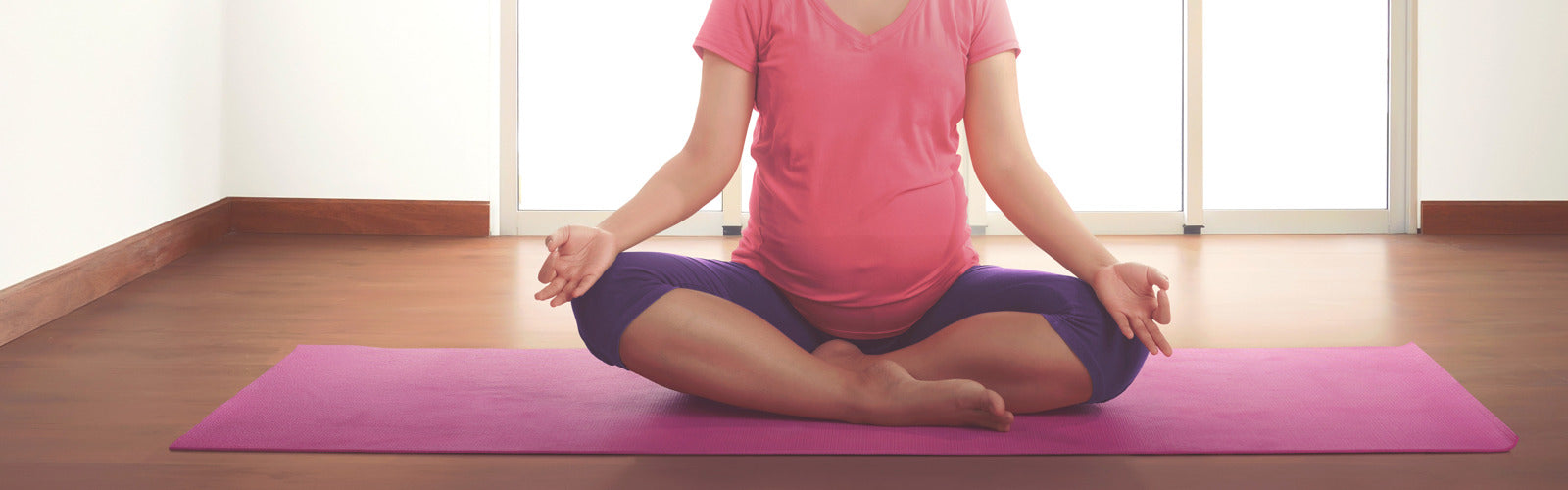
Higher progesterone levels during pregnancy relax your bladder and its surrounding structures. This helps to make space for your growing uterus, but the “side effect” is that it affects your bladder capacity and strength.6 It’s common for pregnancy-related hormonal changes to cause frequent peeing, even if your bladder isn’t full.6
Perimenopause and Menopause Symptoms
Low estrogen levels during these life stages could cause various symptoms, including bladder leaks, urinary urgency and nighttime peeing.7 You might also experience recurrent urinary tract infections and vaginal dryness.1
These symptoms are often due to natural hormonal shifts. But they could also be low estrogen bladder symptoms.5,6,7 If they’re ongoing or begin to affect your daily life, it's important to check in with your doctor.
Health Conditions Linked to Low Estrogen
Let’s take a closer look at what's going on with your body when estrogen levels drop.
Menopause and Bladder Symptoms: What’s the Connection?
Declining estrogen during this time can affect the bladder and urethra.8 The tissues become thinner and less flexible, making the bladder more sensitive and increasing the possibility of leaks.8,9
UTIs and Perimenopause
UTIs are common in women, especially during hormonal transitions like perimenopause and menopause.10 When estrogen levels drop, the vaginal environment becomes less protective because of changing pH levels.10
Types of Urinary Incontinence Linked to Low Estrogen
Low estrogen can contribute to different types of incontinence, each with its own set of triggers and symptoms.
Stress Incontinence and the Role of Estrogen
Stress incontinence is when actions like sneezing, coughing, or laughing increase the pressure in your abdomen, leading to leaks.11 Low estrogen levels postpartum and during menopause could weaken the urethra, reducing the pressure that keeps it closed.8,11 These changes can also increase pressure in your abdomen, resulting in stress incontinence.8,11
Overactive bladder and estrogen changes
Reduced estrogen levels after menopause may affect how your bladder sends signals, and it can also become more sensitive.12 This can lead to an overactive bladder. Symptoms include an urgent need to pee (sometimes not getting to the bathroom on time), frequent toilet trips, nighttime peeing, and leaks.12
Hormones, Anxiety and Bladder Problems: Is There a Link?
When you feel stressed, anxious, or nervous, your body releases stress hormones, like cortisol.13 This hormone may create tension in your pelvic muscles and make your bladder feel sensitive.13,14
How Stress, Sleep and Mental Health Affect Women’s Bladder Health
Chronic stress can trigger or even worsen bladder symptoms, causing you more discomfort and stronger urges to pee.13,14
And when you don't get enough sleep, this disrupts your body’s hormonal balance. Sleep helps regulate hormones that control how much urine your body produces and how your bladder functions. A lack of sleep can make bladder symptoms more noticeable.14
Life can be stressful, but managing your stress levels holistically can support your urinary health and overall well-being. This includes prioritizing sleep, exercising (which releases mood-boosting endorphins) and relaxation techniques like mindfulness.13
Bladder Health Across Different Life Stages
Your bladder health changes can change over your lifetime. Some changes are temporary, like those during your menstrual cycle, while others may occur with events like childbirth or transitions like menopause. menopause.
Bladder Health in Your 20s and 30s
In addition to hormonal fluctuations during your periods, pregnancy or using oral contraceptives could make your bladder more sensitive.5,6,15 Doing pelvic floor exercises if you’ve noticed a bit of weakness, and focusing on healthy bladder habits like staying hydrated, can help maintain bladder health and comfort during this life stage.
Taking care of your bladder should start early. We’ve got you. Read more about women’s bladder health in their 20s and 30s to learn more.
Postpartum Hormones and Bladder Problems
Postpartum bladder problems can arise when estrogen levels drop suddenly, especially while you’re breastfeeding.11 Lower estrogen combined with a stretched pelvic floor could lead to temporary or persistent leaks.6
Perimenopause and Menopause Bladder Health Changes
As you transition into menopause, you might notice changes in your bladder and vaginal health because of lower estrogen levels.16 These changes could be what is called genitourinary syndrome of menopause (GSM) and include:16
- Vaginal dryness
- Recurrent UTIs
- Urinary frequency
- Urinary urgency
You don’t have to live with these symptoms, though, because they are treatable.16 Your doctor is there to help you.
Low Estrogen in Women Over 70
Later in life, low estrogen levels could contribute to various urinary symptoms.16 Some of the most common are vaginal dryness, burning, irritation, urinary urgency or recurrent UTIs.16
Talk to your doctor so you can explore options together, like estrogen therapy, to support your bladder health during this life stage.16
When to See a Doctor
Don’t wait for your symptoms to escalate. Schedule that appointment to catch issues before they progress. These are the red flags to look out for:
- Blood in your pee10
- Increasing bladder leaks18
- Frequent UTIs19
- Severe, persistent pain19
How Low Estrogen Bladder Symptoms Are Diagnosed
While it may feel overwhelming to go through tests, physical exams and answer questions at the doctor’s office, these steps are important as they reveal signs of hormonal changes, infections, or other conditions.17,20
The process usually starts with questions about your symptoms and may include your doctor asking you to keep a bladder diary to track leaks or urgency.17,20
Your doctor could also check for physical signs of low estrogen, and depending on the severity of your symptoms, they might perform a pelvic examination.17 To check for infection, some routine tests may be done such as urine analysis.20
Managing Urinary Incontinence and Low Estrogen
Once your doctor has diagnosed the problem, one or more of these treatments may be prescribed/recommended to help ease your symptoms:
Vaginal (topical) Estrogen
Your doctor might prescribe vaginal estrogen cream to support the health of your vaginal and urethral tissues.7 This could help you with bladder control and reduce recurrent UTIs.17
Pelvic Floor Exercises
Low estrogen levels can affect how your pelvic floor muscles respond to exercise.21 That’s why your doctor might recommend a combination of hormonal therapy and pelvic floor exercises to support bladder control.7,21,7,21
Lifestyle Changes
Lifestyle changes are usually the first-line approach for bladder leaks. Your doctor might recommend:
- Avoiding bladder irritants like alcohol and caffeine7
- Maintaining a healthy weight to reduce pressure in your abdomen7
- Bladder training to gradually increase the time between bathroom visits9
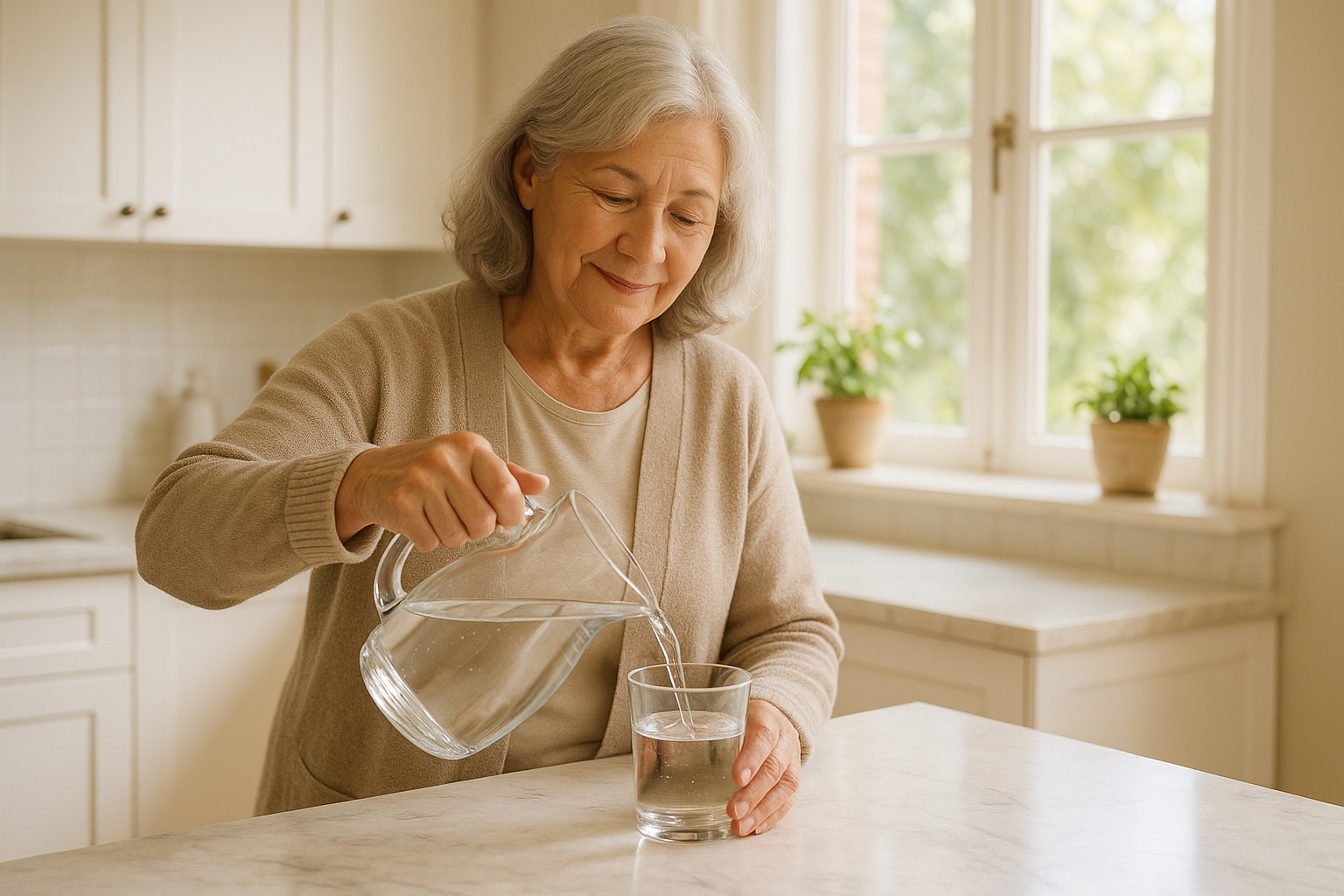
- Managing your fluid intake (with their guidance)20
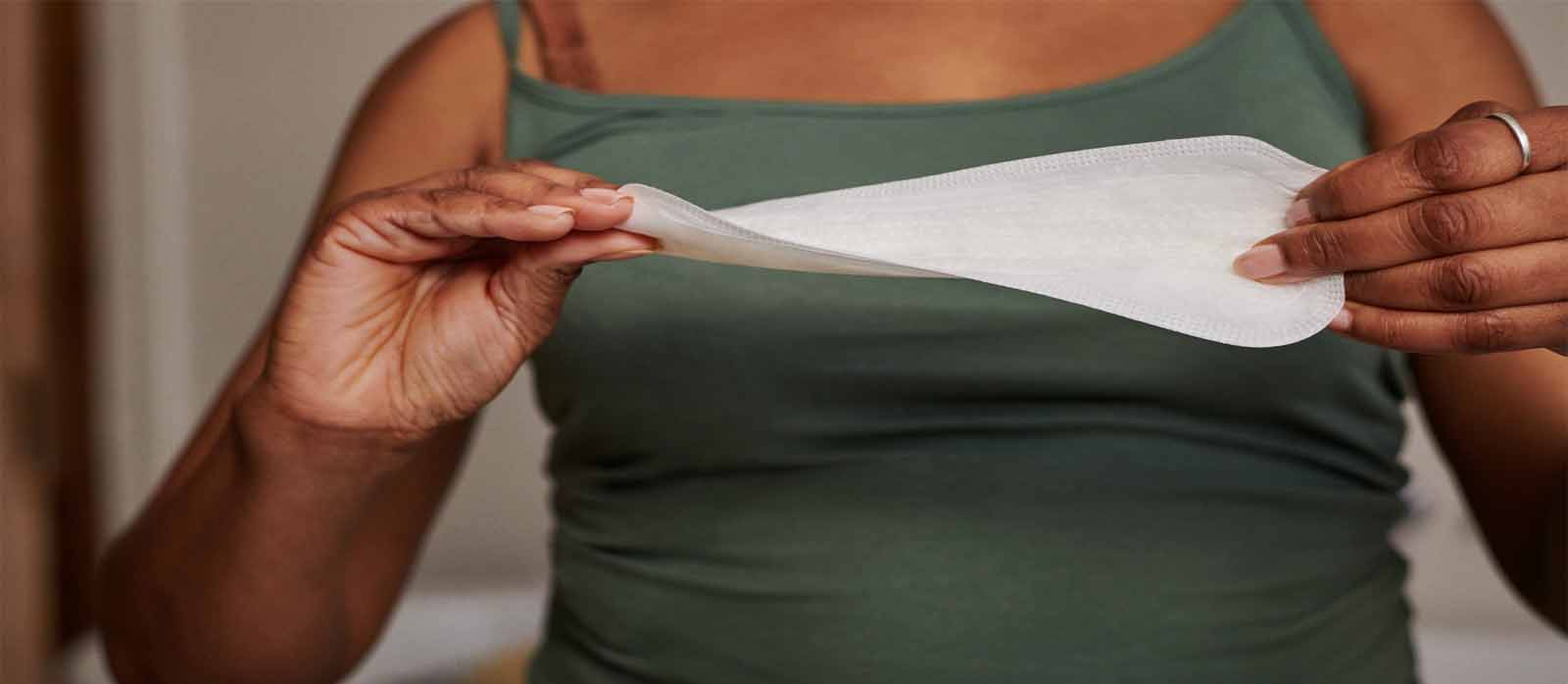
You may also need to use absorbent products to help you stay comfortable and not worry about leaks. Our range of women’s incontinence products are designed to support you through every life stage, whether your needs are light, moderate, or heavy.
Hormones and Bladder Changes: What to Remember
Hormonal shifts are a natural part of a woman’s life, and they can influence your bladder function at different stages. Some symptoms are common, often linked to the way hormones affect the bladder and surrounding tissues, and they are also treatable.
If you notice bladder leaks or other urinary changes, support is available. Speaking with a healthcare professional can help you understand what’s happening. Your doctor can also help you manage your bladder health with the right treatment and recommendations.
FAQs
What Vitamin Helps Strengthen the Bladder?
While vitamin D doesn’t directly strengthen your bladder, it supports healthy muscle and nerve function, and in this way helps bladder health.22
Can Estrogen Help with Bladder Issues?
Local estrogen (also called topical or vaginal estrogen) could help, but it’s important to talk to your doctor first. This treatment helps by supporting vaginal and urethral tissue health, especially during and after menopause.7
What Causes Frequent UTIs in Women?
UTIs are common in women because of a shorter urethra and its closeness to the anus, which may make it easier for bacteria to enter.23 During menopause, low estrogen levels can change the vaginal environment, increasing the risk of UTIs.23
References
1. Lo SS, Lim EJ, Ng LG, Li T. The Role of Estrogen Status in the Causation of Female Lower Urinary Tract and Pelvic Floor Dysfunction. Current Bladder Dysfunction Reports. 2019 Jun 29;14(3):139–43.
2. Bodner-Adler B, Alarab M, Ruiz-Zapata AM, Latthe P. Effectiveness of hormones in postmenopausal pelvic floor dysfunction—International Urogynecological Association research and development—committee opinion. International Urogynecology Journal. 2019 Aug 7;31(8):1577–82.
3. Gao J, Li Y, Hou J, Wang Y. Unveiling the depths of pelvic organ prolapse: From risk factors to therapeutic methods (Review). Experimental and Therapeutic Medicine. 2024 Nov 8;29(1).
4. Menopause and Urine Incontinence - The Menopause Charity [Internet]. The Menopause Charity. 2025. Available from: https://themenopausecharity.org/information-and-support/symptoms/menopause-and-urine-incontinence/
5. Fosnight A. Why bladder symptoms often worsen before and during menstruation [Internet]. Urologytimes.com. 2025. Available from: https://www.urologytimes.com/view/why-bladder-symptoms-often-worsen-before-and-during-menstruation
6. How Does Pregnancy Affect the Bladder? - Alliance Urology [Internet]. Alliance Urology Specialist. 2023. Available from: https://allianceurology.com/how-does-pregnancy-affect-the-bladder/
7. Holland K. Menopause and Urinary Incontinence [Internet]. Healthline. 2019. Available from: https://www.healthline.com/health/menopause/urinary-incontinence
8. Yang X, Wang X, Gao Z, Li L, Lin H, Wang H, et al. The Anatomical Pathogenesis of Stress Urinary Incontinence in Women. Medicina [Internet]. 2023 Jan 1;59(1):5. Available from: https://www.mdpi.com/1648-9144/59/1/5
9. WebMD Editorial Contributors. Types of Urinary Incontinence [Internet]. WebMD. 2024. Available from: https://www.webmd.com/urinary-incontinence-oab/types-of-urinary-incontinence
10. Weber B. Menopause and UTIs: Link, treatment, and prevention [Internet]. www.medicalnewstoday.com. 2022. Available from: https://www.medicalnewstoday.com/articles/menopause-and-uti#the-link
11. Siddique M, Hickman L, Giugale L. Peripartum Urinary Incontinence and Overactive Bladder. Obstetrics and Gynecology [Internet]. 2025 Jul 3;146(4):466–72. Available from: https://journals.lww.com/greenjournal/fulltext/2025/10000/peripartum_urinary_incontinence_and_overactive.3.aspx
12. Wróbel A. Overactive bladder syndrome pharmacotherapy: future treatment options. Menopausal Review. 2015; 4:211–7.
13. Whalen R. How Stress Affects Bladder and Urinary Health [Internet]. urologyconferences.com. 2025 [cited 2026 Mar 7]. Available from: https://urologyconferences.com/how-stress-affects-bladder-and-urinary-health/
14. NeuroLaunch Editorial Team. Sleep Deprivation and Urinary Problems: Exploring the Surprising Connection [Internet]. NeuroLaunch.com. 2024. Available from: https://neurolaunch.com/can-lack-of-sleep-cause-urinary-problems/
15. Catlett T. Can Birth Control Cause Overactive Bladder (OAB)? [Internet]. Healthline. Healthline Media; 2025 [cited 2026 Mar 8]. Available from: https://www.healthline.com/health/can-birth-control-cause-overactive-bladder#1
16.Phillips NA, Bachmann GA. Genitourinary Syndrome of Menopause: Common Problems, Effective Treatments. Cleveland Clinic Journal of Medicine. 2018 May 1;85(5):390–8.
17. Deitra Leonard Lowdermilk. Maternity & Women’s Health Care. St. Louis, Mo: Mosby; 2012.
18. Carolyn. Modern Urology [Internet]. Modern Urology, Colorado. 2025. Available from: https://modernurology.com/when-should-i-see-a-doctor-for-urinary-leakage/
19. Whalen R. When Should You See a Doctor for a UTI? [Internet]. urologyconferences.com. 2025 [cited 2026 Mar 8]. Available from: https://urologyconferences.com/when-should-you-see-a-doctor-for-a-uti/
20. Leslie SW, Tran LN, Puckett Y. Urinary Incontinence [Internet]. Nih.gov. StatPearls Publishing; 2024. Available from: https://www.ncbi.nlm.nih.gov/sites/books/NBK559095/
21. Shan J. Efficacy of Pelvic Floor Muscle Training Combined with Promestriene in Improving Pelvic Floor Dysfunction in Middle-aged and Elderly Women: A Retrospective Study. European Journal of Obstetrics & Gynecology and Reproductive Biology [Internet]. 2026 Jan 31; 319:114987. Available from: https://www.sciencedirect.com/science/article/abs/pii/S0301211526000539?utm_source=chatgpt.com
22. Alsaab HO, Alzahrani MS, Almutairy B. Exploring the Impact of Vitamin D Supplementation on Urinary Incontinence (UI): A Systematic Review and Meta-Analysis of Randomized Controlled Trials. Nutrition Clinique et Métabolisme. 2025 Sep
23. Czajkowski K, Broś-Konopielko M, Teliga-Czajkowska J. Urinary Tract Infection in Women. Menopausal Review. 2021;20(1):40–7.