Mar 27, 2026
Experiencing urinary incontinence symptoms could be frustrating for men, especially when symptoms like urgency, dribbling, or nighttime leaks may develop with age,1 potentially affecting your daily routine and your confidence.
It’s okay to feel overwhelmed sometimes, but incontinence is manageable. Knowing that male incontinence affects 1 in 3 men over 40 means you’re definitely not alone. And on top of that, knowing what’s normal and what’s not, can help you get the care and advice you need.
Let’s explore symptoms of incontinence in men, what may cause them, and when it’s time to see a doctor; so you could feel confident and in control of your bladder health.
What is Male Urinary Incontinence?
The bladder is a hollow organ that stretches to hold urine until it’s time to pee.2 Your pelvic floor and sphincter muscles in your urinary system help keep everything in check.2
When it’s time to pee, the bladder sends signals to your brain and squeezes to let urine flow through the urethra.2
When there is a disturbance in this process, male incontinence could happen.3 Male bladder leaks can be defined as involuntary loss of urine,3 it can vary from drops of pee that may occur throughout the day to bigger drips, dribbles and leaks.
Bladder leaks may appear in different ways.3 Here are some common types of male incontinence:
Overflow Incontinence
When your bladder doesn’t empty fully, it could lead to dribbling or constant leaks of pee.3 An enlarged prostate often causes overflow incontinence in men.4
Urge Incontinence
Urge incontinence in men could show up as a sudden, strong urge to pee, sometimes causing leaks before you reach the toilet.2 It’s often a symptom of an overactive bladder.5
Stress Incontinence
When your pelvic floor is weak, pressure on your bladder during activities like laughing, coughing, or lifting heavy objects can cause leaks.2 Stress incontinence in men often also occurs after prostate surgery.4
Symptoms of Male Urinary Incontinence
When incontinence occurs, it shows up as leaks, which could differ in severity and frequency.3 Some men experience only occasional light leaks, while others may notice leaks multiple times a day or at night, affecting their sleep and comfort.6
The time and severity of your leaks often depend on the type of incontinence you have. For instance:
- Stress incontinence: Light leaks occur during everyday activities.7
- Urge incontinence: Frequent noticeable leaks occur during your day and while you sleep.7
- Overflow incontinence: Frequent trickles of pee throughout the day, even after peeing.7
Other incontinence symptoms include:3
- Urinary urgency: A sudden, strong need to get to the toilet quickly.
- Post-void dribbling: Leaking urine after urination.
- Nocturia: Getting up multiple times to pee during the night.
Leaks could happen during everyday activities which may make you want to cancel plans or plan your day around bathroom access. These experiences could be frustrating, embarrassing, or anxiety-inducing.
If your leaks happen often or interfere with daily life, talking with a healthcare professional could help you feel more confident managing your bladder health.6
What Are the Causes of Urinary Incontinence?
Certain conditions or factors could contribute to male incontinence. They include:
- Enlarged prostate: When your prostate enlarges, it may press on the bladder, leading to overflow incontinence4,8 and enlarged prostate symptoms such as weak urine flow.1
- Pelvic floor weakness: Aging, obesity, or previous surgery could weaken the pelvic floor, causing stress incontinence.3
- Chronic coughing: Persistent coughing could put pressure on the bladder, triggering stress incontinence.3
- Nerve damage: Conditions like Parkinson’s disease may affect nerve signals, sometimes resulting in urge incontinence.9,10
- Poor diet: Low fiber or water intake could lead to constipation, which may contribute to overflow or urge incontinence.10,11
Curious to know more about male bladder leaks? Here are some other causes of male incontinence.
What Are Male Incontinence Risk Factors?
The risk of bladder leaks in men may increase with certain risk factors. These include:
- Age 44 or older12
- Prostate enlargement13
- Obesity13
- Smoking13
- Diabetes13
- Neurological conditions, like Parkinson’s disease9
It’s normal to feel concerned, but some risk factors, like obesity and smoking, are modifiable, meaning small lifestyle changes may help support bladder health.13
Treatments for Male Urinary Incontinence
Your doctor may recommend a treatment plan based on your incontinence type, its severity, and any underlying conditions.3
Options could include:
- Pelvic floor exercises: Kegels may help strengthen male pelvic floor weakness and support bladder control.3
- Bladder training: Your doctor could guide you to gradually retrain your bladder and improve control.10
- Lifestyle adjustments: Maintaining a healthy weight and staying active may help reduce leaks.3
- Medications: Your doctor might recommend medications that calm your bladder or help manage prostate issues.3
- Surgery: In some severe cases, your doctor may recommend surgery to improve bladder control.3
TENA Male Pad and Underwear Options
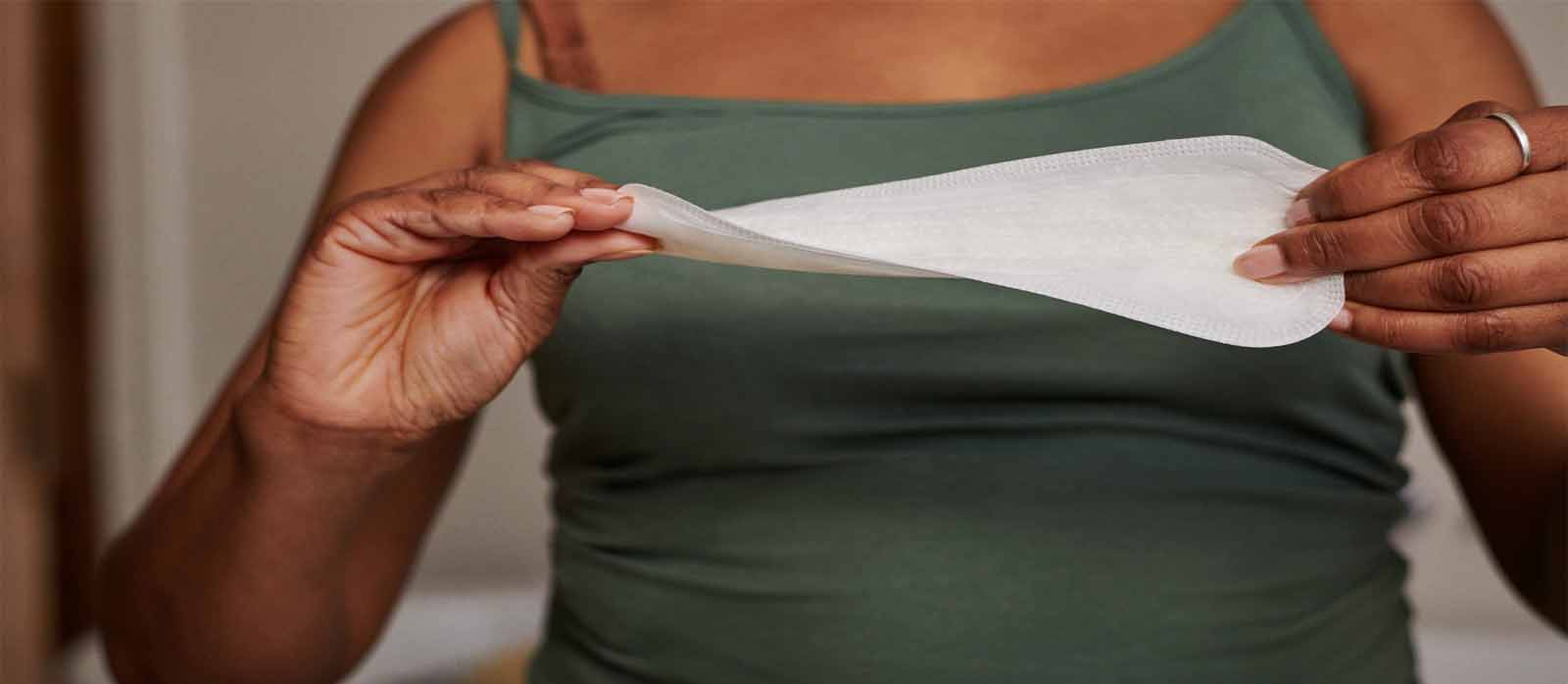
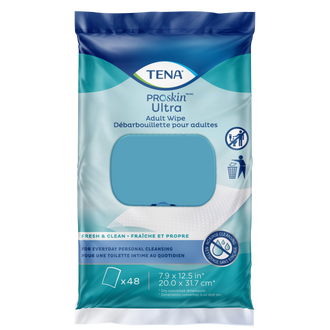
Incontinence products are discreet options that could help you catch leaks throughout the day. They help you stay active, comfortable, and confident in any situation, with benefits like secure fit and odor control.
Some incontinence products for men include:
- Male guards and shields: Designed specifically for the male anatomy. These provide comfortable protection for light bladder leaks and fit discreetly inside regular underwear.
- Absorbent underwear: These look and feel like regular underwear but offer more absorbency for moderate to heavy leaks.
Read our step-by-step guide on how to wear male incontinence products – from choosing the right products, to how often you should change them.
FAQs
Is Male Incontinence Common?
Although many men feel uncomfortable talking about incontinence symptoms, it is common.11 Male incontinence could feel isolating, but it’s treatable.3
At What Age Does Male Incontinence Start?
Male incontinence could start in your 40’s but your risk could increase with age and prostate changes.8,12
What Would Cause a Man to Pee Himself?
A man could pee himself for several reasons.
- Urge incontinence: happens when a sudden, intense need to pee comes on and he can’t reach the toilet in time.3
- Overflow incontinence: occurs when the bladder doesn’t empty fully, causing leaks.3
- Alcohol: increases how often he needs to pee.12
- Nerve conditions: Parkinson’s disease could affect bladder control.
9,10
Does Male Incontinence Go Away?
Incontinence is manageable and treatable, and many men improve their symptoms and quality of life with the right support.3
How Do You Clean Up After Incontinence?
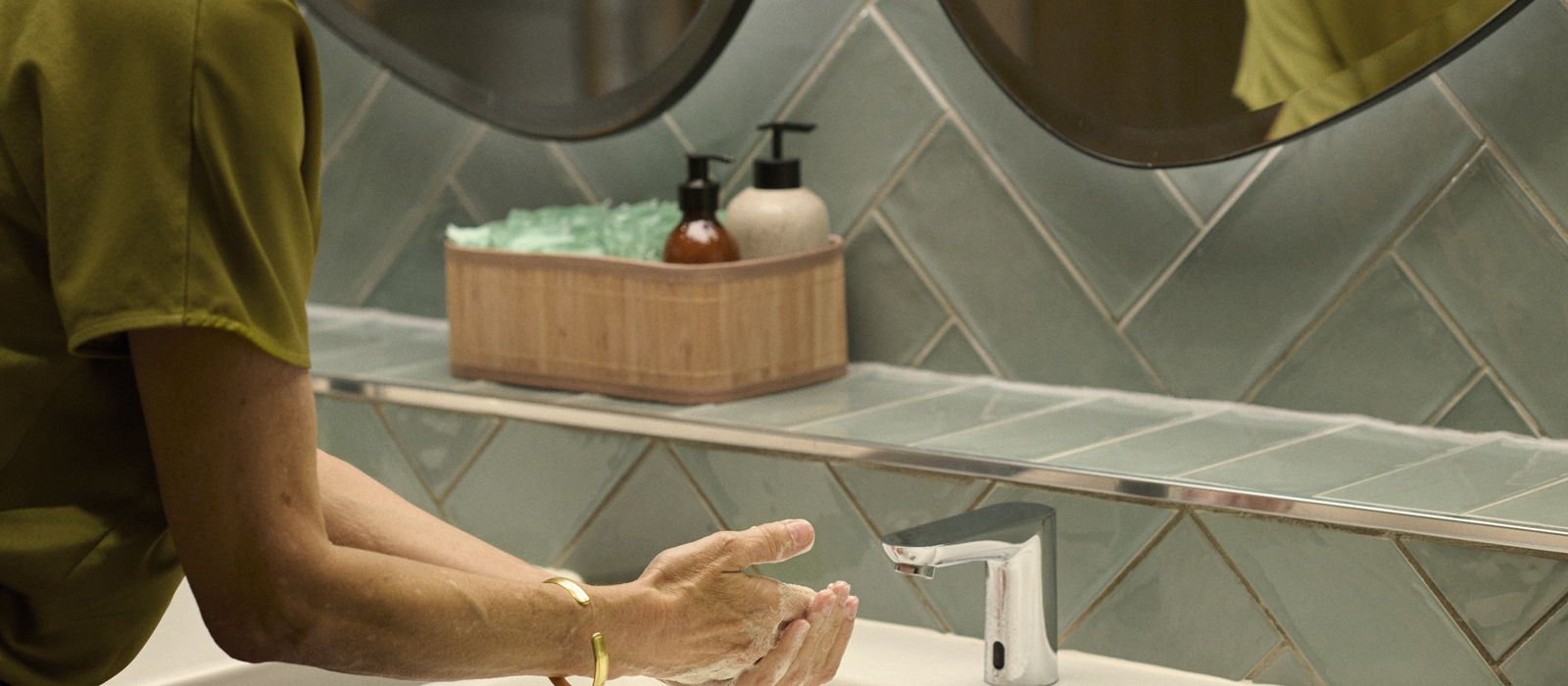
An incontinence episode can feel overwhelming, but a simple routine could help you stay comfortable and confident:
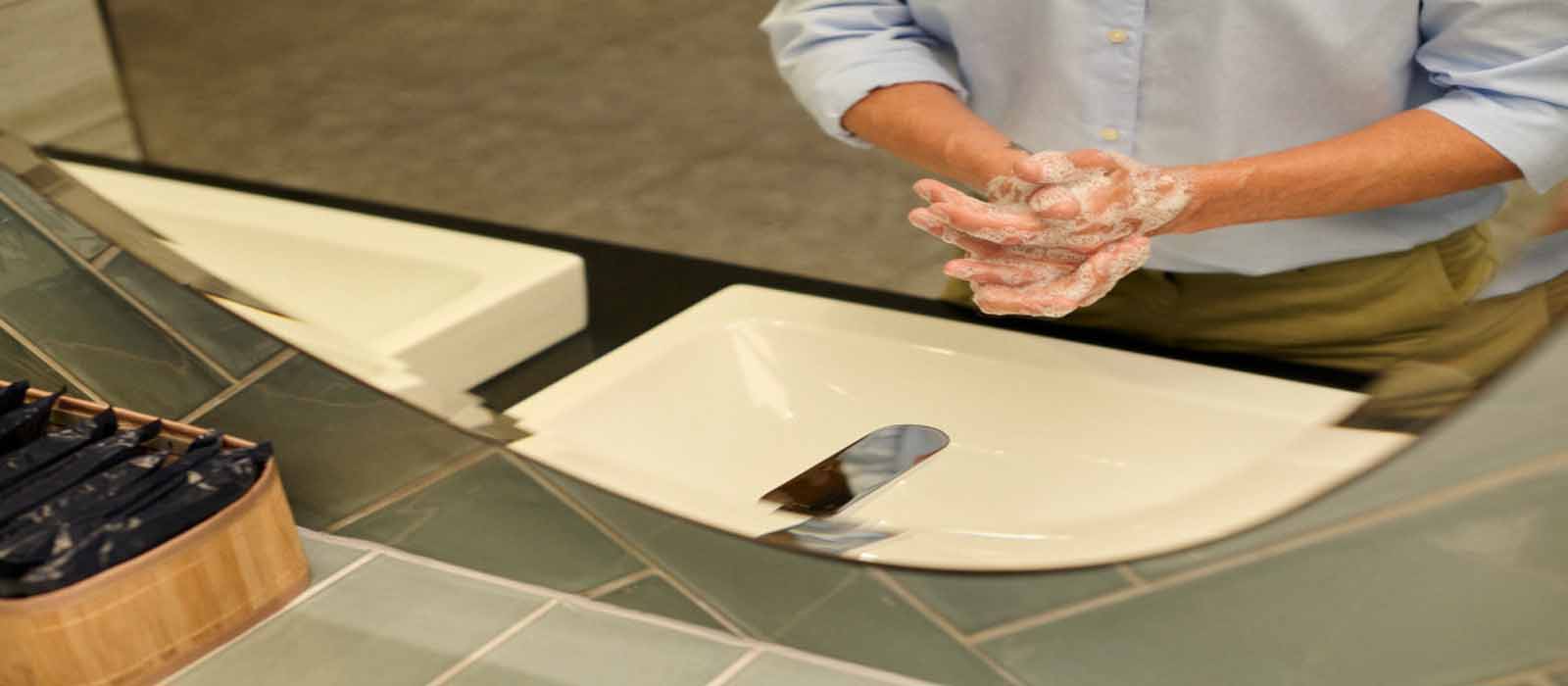
- Wash your hands and gather your incontinence products (with spare clothes if needed).
- Gently cleanse the area with a pH-balanced cleanser.
- Pat the skin dry, avoid rubbing.
- Dispose of your used incontinence product and put on a fresh one.
- Wash your hands again.
How to Prevent Male Incontinence?
Even though incontinence may occur with age, you could help prevent it through simple lifestyle changes like these:13
- Maintain a healthy weight.
- Strengthen your pelvic floor muscles with exercises like Kegels.
- Eat fiber-rich foods to prevent constipation.
- Limit bladder irritants, such as alcohol and caffeine.
- Quit smoking.
- Manage chronic conditions with your doctor’s help.
References
1. Urology Journal. How Aging Affects Your Urinary System - Urology Journal [Internet]. Urology Journal. 2025. Available from: https://shop.tena.us/blogs/support-and-advice/how-to-wear-male-incontinence-pads-guards-and-shields-a-step-by-step-guide
2. Smith A. The urinary tract & how it works [Internet]. National Institute of Diabetes and Digestive and Kidney Diseases. 2019. Available from: https://www.niddk.nih.gov/health-information/urologic-diseases/urinary-tract-how-it-works
3. Male Incontinence: Types, Causes, and Management [Internet]. Kansas University Urology. 2024 [cited 2026 Feb 13]. Available from: https://urologyku.com/conditions-and-treatments/male-incontinence/
4. Leslie SW, Tran LN, Puckett Y. Urinary Incontinence [Internet]. Nih.gov. StatPearls Publishing; 2024. Available from: https://www.ncbi.nlm.nih.gov/sites/books/NBK559095/
5. Cleveland Clinic. Overactive Bladder (OAB): Causes, Symptoms & Treatment [Internet]. Cleveland Clinic. 2022. Available from: https://my.clevelandclinic.org/health/diseases/14248-overactive-bladder
6. Incontinence – Life with Disease – Overview of Information and Clinical Research [Internet]. European Clinical Trials Information Network. 2025. Available from: https://clinicaltrials.eu/disease/incontinence/incontinence-life-with-disease/?
7. NHS. Symptoms [Internet]. nhs.uk. 2018 [cited 2026 Feb 20]. Available from: https://www.nhs.uk/conditions/urinary-incontinence/symptoms/
8. Lee CL, Kuo HC. Pathophysiology of benign prostate enlargement and lower urinary tract symptoms: Current concepts. Tzu-Chi Medical Journal [Internet]. 2017;29(2):79–83. Available from: https://www.ncbi.nlm.nih.gov/pmc/articles/PMC5509197/?tool=pmcentrez&report=abstract
9. National Institute of Neurological Disorders and Stroke. Parkinson’s Disease [Internet]. National Institute of Neurological Disorders and Stroke. National Institute of Neurological Disorders and Stroke; 2025. Available from: https://www.ninds.nih.gov/health-information/disorders/parkinsons-disease
10. WebMD Editorial Contributors. Types of Urinary Incontinence [Internet]. WebMD. 2024. Available from: https://www.webmd.com/urinary-incontinence-oab/types-of-urinary-incontinence
11. Jenkins S. Can Constipation Cause Urinary Incontinence? - National Association For Continence [Internet]. National Association for Continence. 2022 [cited 2026 Feb 19]. Available from: https://nafc.org/bhealth-blog/can-constipation-cause-urinary-incontinence
12. Clemens, MD, FACS, MSCI JQ. Urinary incontinence in males [Internet]. Uptodate.com. 2024. Available from: https://www.uptodate.com/contents/urinary-incontinence-in-males
13. Incontinence – Basic Information – Overview of Information and Clinical Research [Internet]. European Clinical Trials Information Network. 2025. Available from: https://clinicaltrials.eu/disease/incontinence/incontinence-basic-information/