Aug 05, 2025
You might start wondering what causes bladder leakage after you experience an unexpected leak or sudden rush to the bathroom. It happens to millions of Americans of both genders, but that doesn’t make these moments any less confusing.1
While bladder leaks tend to happen to older adults more often, it’s good to know that younger adults can be affected too.1
Let’s take a look at the causes of urinary incontinence, the factors that could affect bladder control, and simple, practical ways to help you manage bladder leaks.
Urinary Incontinence Causes
Urinary control issues can happen for a variety of reasons and at different stages of your life. These are some of the most common:
Physical Causes
Physical causes can include life events, health conditions, or lifestyle factors. Some of these include:
Pelvic Floor Weakness
A weak pelvic floor affects how your body stores urine, and this can cause leaks when you sneeze, cough, or laugh.2 The medical term for this is stress urinary incontinence.2
Pregnancy and Childbirth
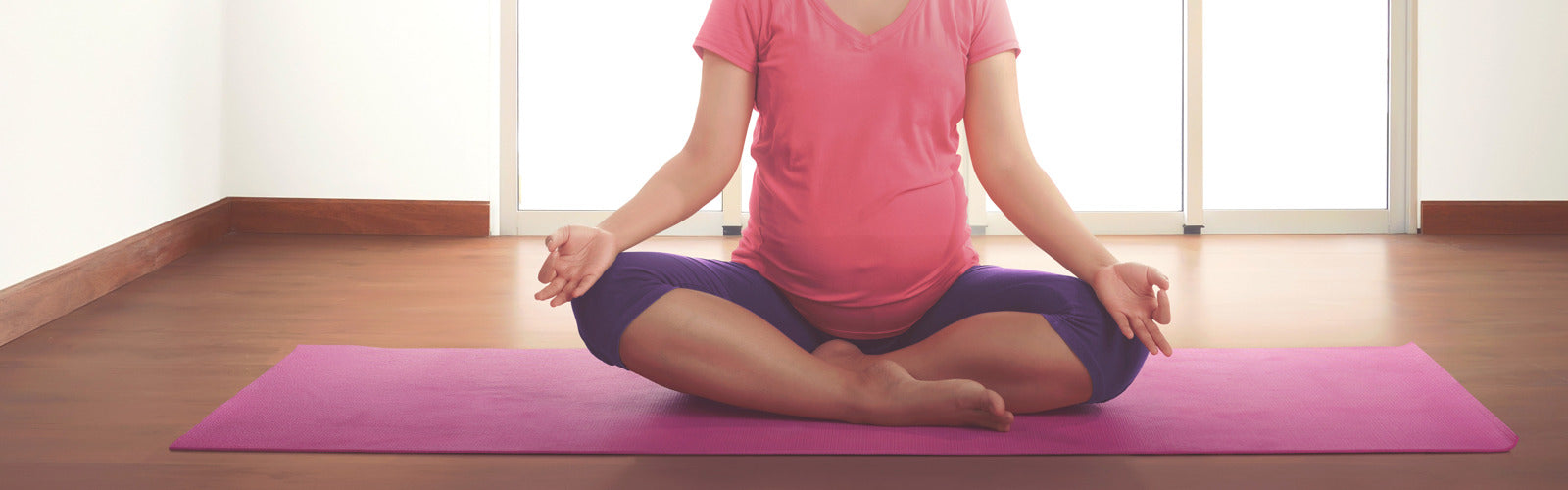
During pregnancy, your body is constantly changing, and changes continue after you give birth. While you're pregnant, your bladder and urethra stretch and shift to accommodate your growing baby.4 After delivery, the muscle tone of your pelvic floor can weaken, and this can affect bladder control during everyday actions.4
Surgery Affecting the Bladder or Prostate
A hysterectomy (removing the uterus) or prostate removal can affect how your bladder muscles, nerves, and pelvic floor work, which may lead to leaks.2,5
Enlarged Prostate in Men
The prostate can grow larger as you age, and when it becomes too big, it can press on the urethra.2 This may lead to bladder problems, like having difficulty in fully emptying your bladder.2 Treatment for an enlarged prostate can sometimes cause leaks when you sneeze, laugh, or cough.2
Obesity and Chronic Coughing
If you have extra weight around the stomach or a lung condition (or illness) that triggers chronic coughing, this can put pressure on the pelvic floor and cause leaks.6,7
Neurological Causes
Some conditions can disrupt the way your brain and nerves communicate with your bladder, leading to what is called a neurogenic bladder.8,9 This can affect how your bladder works and result in leaks.8
Common neurological causes of urinary leaks include:9
- Parkinson’s disease
- Multiple sclerosis
- Stroke
- Spinal cord injury
Hormonal Causes
Hormones like estrogen and testosterone help protect your pelvic floor muscles, urethra, and bladder.3,10 When these hormone levels drop or fluctuate postpartum and before, during, or after menopause, it may become more difficult to control your bladder.3,10,11

Factors Contributing to Urinary Incontinence
There are, of course, some other factors that can contribute to bladder leaks.12 These include your lifestyle choices, medical conditions, and medications. What you eat, and drink, diabetes, infections, and certain medications can all play a role, often combining to make leakage more likely.
High-Impact Exercises
Exercises that involve jumping exert repeated pressure on your stomach area.13 This could affect the ability of your pelvic floor muscles to support your bladder, leading to stress incontinence.13
Diabetes
High blood sugar levels (like when you have Diabetes) can affect the nerves and blood vessels in your bladder, making leaks more likely.14
Urinary Tract Infections (UTIs)
Urinary tract infections (UTIs) can lead to temporary incontinence.5 In women, the risk of UTIs triggering bladder leaks is higher.6 When a UTI irritates and inflames the bladder lining,6 it can cause a strong and frequent urge to pee.7
UTIs tend to be more common in women than men because of how the female urinary tract works.16,17
Constipation and Bladder Pressure
This temporary cause of incontinence happens when constipation causes a buildup of stool.8 The buildup puts pressure on your bladder and narrows your urethra, leading to urgency and leaks.8
The Impact of Alcohol
Alcohol doesn’t directly cause incontinence, but it can make symptoms worse.9 It affects your body in a few ways:
- It acts as a diuretic, making you pee more often9
- It irritates the bladder lining, causing urgent and frequent urination10
The Effects of Caffeine
Caffeine acts as a stimulant, diuretic, and irritant in several ways that can affect your bladder:11
- It causes you to pee more often.
- It irritates the lining of your bladder, leading to increased urgency and frequency.
- It stimulates your bladder muscles to contract more strongly, making the urge to go stronger.
Fizzy Drinks and Bladder Irritation
Fizzy or carbonated drinks, like sodas, can irritate the bladder lining.12 Their acidity may increase the urgent and frequent need to pee. 13
Artificial Sweeteners and Incontinence
Artificial sweeteners can affect both your urinary tract and bladder muscles.14 While research is limited, one study found that women who drink artificially sweetened beverages daily or more have a 10% higher risk of mixed incontinence.14
More studies are needed to confirm the link, but cutting back might help; especially since sweeteners like aspartame, sucralose, and saccharin can irritate the bladder.12
Chocolate as a Bladder Trigger
Dark chocolate can be a bladder irritant due to its acidity and caffeine content.12 If you're craving something sweet, white chocolate might be a gentler choice; it has little to no caffeine and may be easier on your bladder.15
Spicy Foods (Including Chilies)
Spicy foods, like hot sauce, chilies, and pepper, can irritate the bladder lining in some people.12 This irritation may lead to more frequent and urgent trips to the bathroom.12
Foods High in Sugar or Acid
Both acidic and high-sugar diets can affect your bladder.15,16 Acidic foods, like tomatoes or citrus, may cause bladder irritations.15,16 At the same time, a high-sugar diet can stimulate the bladder, leading to leaks and urgency.16 Over time, a high-sugar diet may also contribute to conditions like diabetes, which can increase the risk of incontinence.16
Side Effects of Certain Medications
Some medications can cause or worsen incontinence such as diuretics, muscle relaxants, and antihistamines.17
You should speak with your doctor first before stopping or changing any medications. It is also a good idea to always read the package insert to familiarize yourself with any possible side effects and talk to a medical professional if you are experiencing any.
Want to step up your bladder health? Learn more about the best and worst foods for you when have an overactive bladder.

Long-Term (Persistent) Urinary Incontinence
For some people, incontinence is linked to chronic or ongoing health conditions. Some common ones are:
Enlarged Prostate in Men
An enlarged prostate causes an overactive bladder, which can lead to bladder leaks in men.18 This overactivity causes a sudden, urgent need to urinate, sometimes resulting in leaks before you reach the bathroom.18
Prostate Cancer and Treatment Effects
Stress incontinence is common in men who have had prostate cancer treatment.19 Incontinence after prostate surgery occurs due to bladder nerve damage, while radiation therapy may reduce bladder capacity.19
Urinary Obstructions (Stones or Tumors)
Kidney stones, bladder stones, or tumors near the bladder can block urine flow.20,21 They create a pressure can lead to:
- Urgency and frequent trips to the bathroom, in the case of kidney stones 20
- Bladder leaks for both kidney stones and tumors20,22.
Urinary Incontinence across Genders
Incontinence is common across genders, but some life events and physical factors make some types of incontinence more common in women than men.33
For example, women often experience stress incontinence due to pregnancy, childbirth, and menopause,3,33 while men may experience stress or overflow incontinence related to an enlarged prostate or prostate surgery.33
Pregnancy and Bladder Pressure
Pregnancy could lead to stress incontinence during and after childbirth.25 Bladder leakage during pregnancy could be due to the following:26
- The pressure of the growing baby or uterus on your bladder.
- Changing hormone levels that affect your bladder and urethra lining.
- Incomplete UTI treatments before pregnancy.
Childbirth-Related Pelvic Floor Damage
During vaginal delivery, the head of the baby puts pressure on your support system for bladder function:27
- Pelvic muscles
- Bladder nerves.
This pressure weakens or damages these structures, leading to postpartum incontinence later in life if full control isn’t regained.27 Fortunately, most women recover bladder control within two months, or even sooner after childbirth.27
Age-Related Changes in Bladder Function
As you age, you may notice more frequent trips to the bathroom or occasional leaks.28 This may happen for two reasons:28
- The pelvic floor muscles naturally weaken over time
- Your bladder capacity is becoming smaller
The good news is these symptoms of incontinence are manageable, starting with a conversation with your doctor.28
Managing Urinary Incontinence
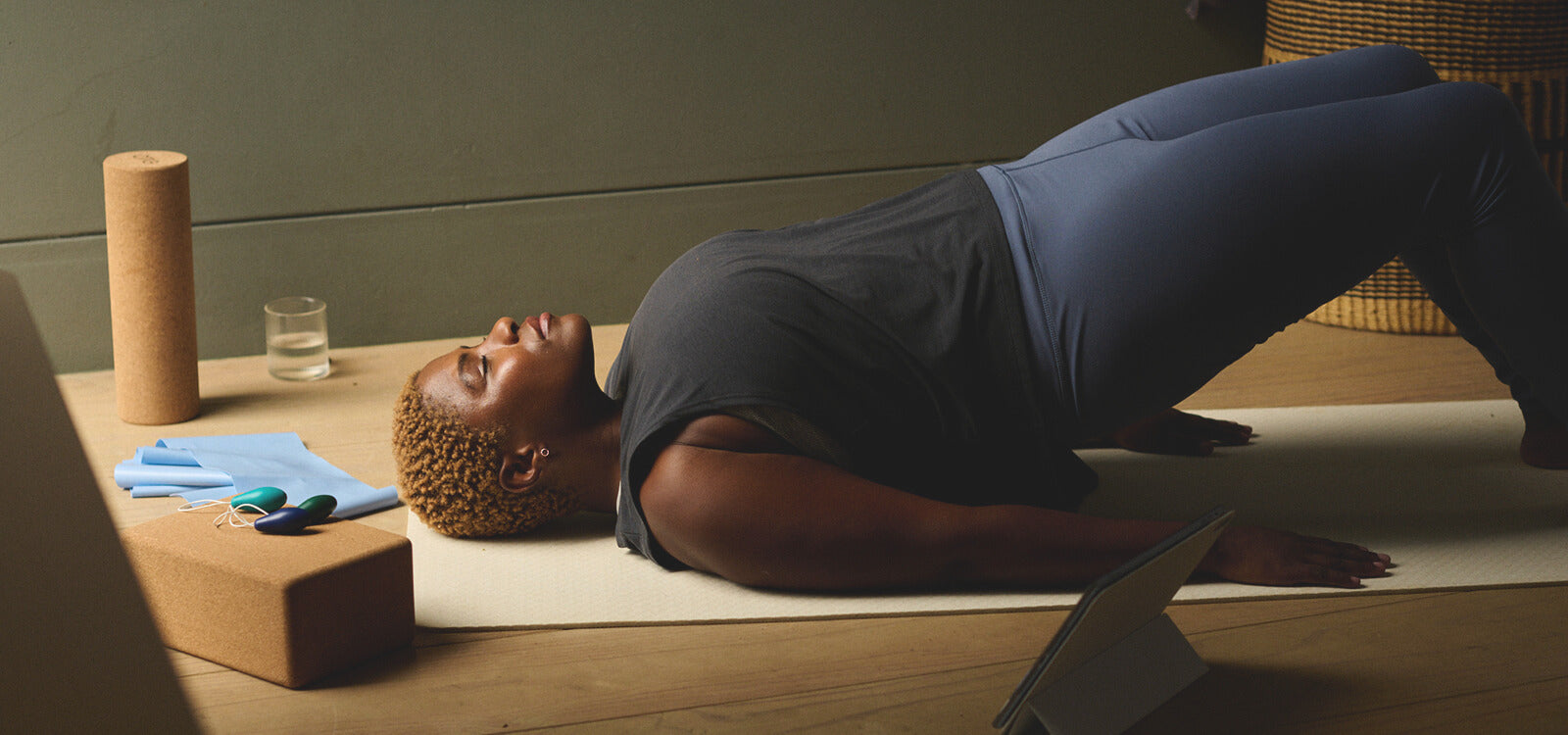
Strengthening Pelvic Floor Muscles for Better Control
Pelvic floor exercises, also known as Kegels, can help manage both stress and urge incontinence.30 They strengthen the muscles that support your bladder, improving control.30 It's best to do these exercises with guidance from a healthcare professional.
How to Live a Confidently with Incontinence
Incontinence doesn’t have to hold you back. These everyday tips could help you feel more confident at home, at work, or when you’re out with friends:
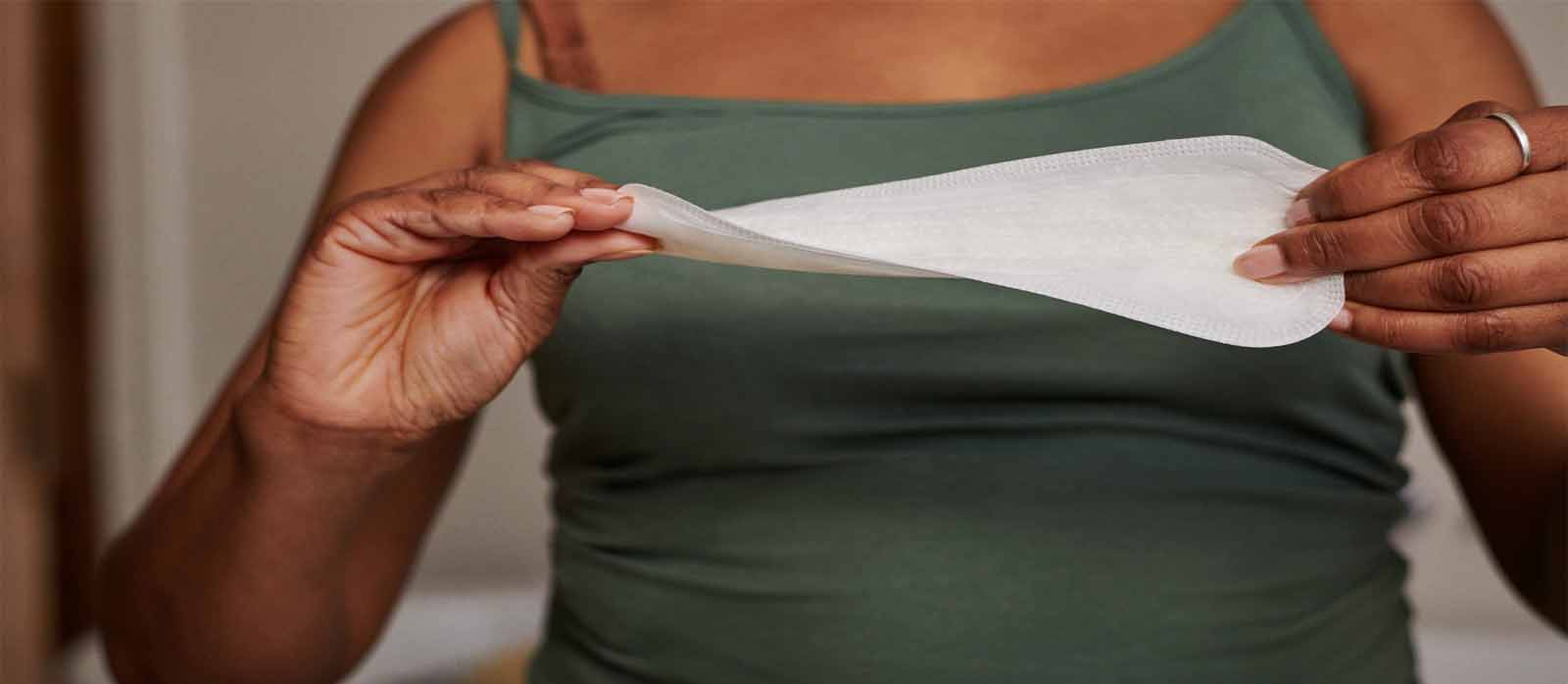
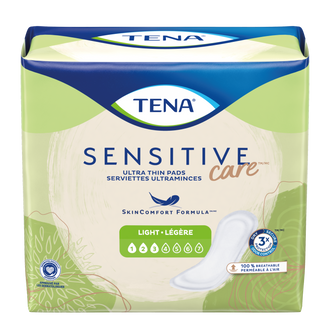
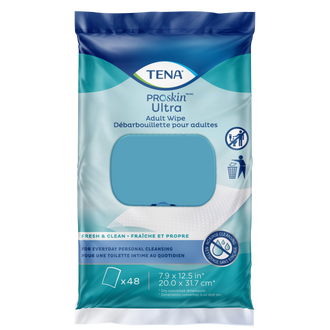
- Use absorbent products. They are discreet and designed for men and women, helping you stay comfortable during your day.
- Limit bladder irritants like coffee and alcohol, which can irritate the bladder.33
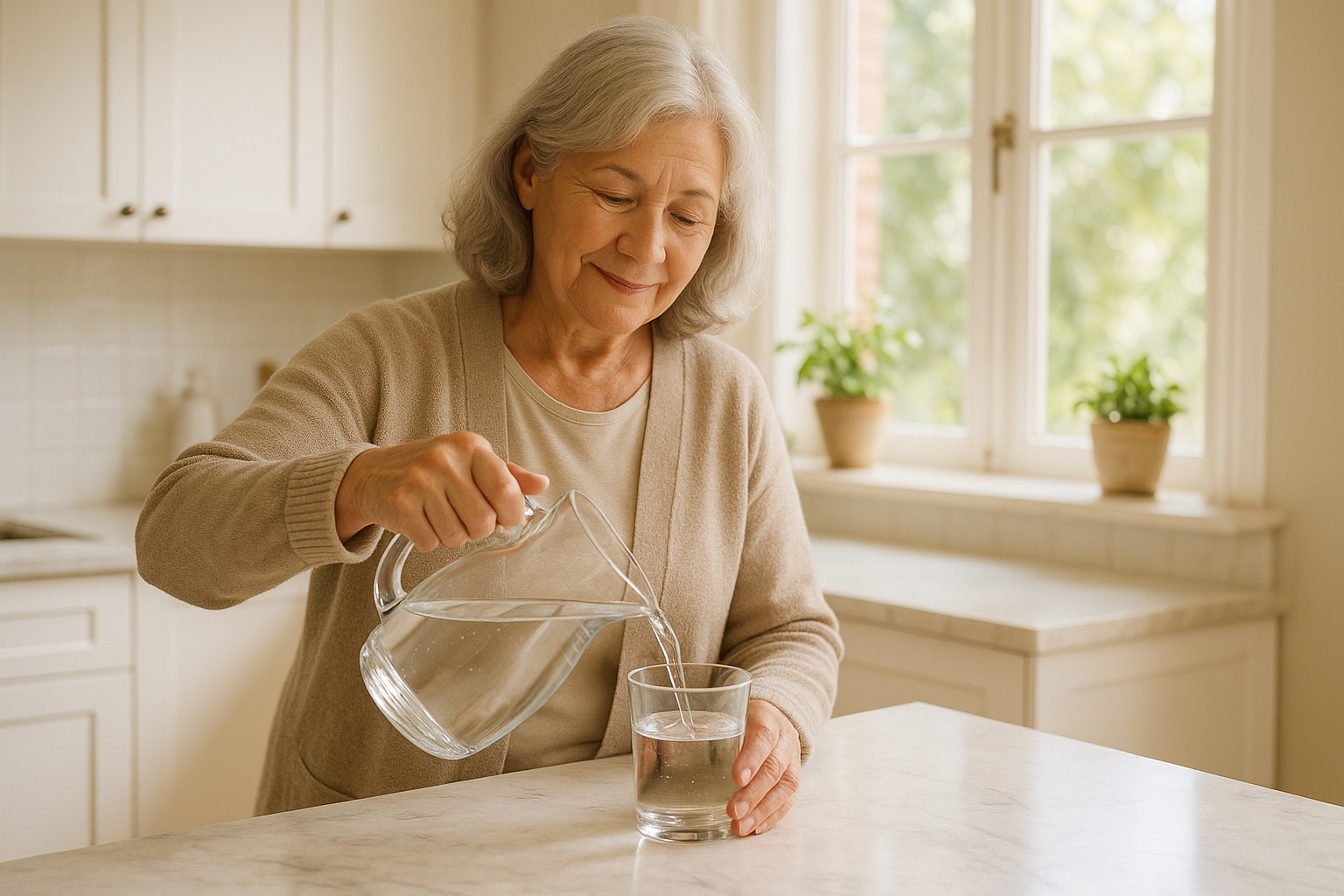
- Drink enough water to keep you hydrated throughout the day, and so that your stools are softer and easier to pass.39
- Maintain a healthy weight33 to reduce pressure on the bladder.
- Eat fiber-rich foods like whole grains to prevent constipation.39
- Gradually retrain your bladder with your doctor’s guidance33
- Wear dark, comfortable, layered clothing to help you feel more confident.
- When you go out or go to work, pack a discreet bag with your incontinence products.
- Know the location of nearby toilets so you can plan ahead and reduce stress.

FAQs
What are the 4 Types of Urinary Incontinence?
The main types are stress incontinence, urge incontinence, overflow incontinence, and mixed incontinence, each caused by different factors affecting bladder control.
Why Have I Suddenly Become Incontinent?
Sudden incontinence may result from infections, medications, neurological events, or acute changes in bladder or pelvic function and requires medical evaluation.
What is the Best Cure for Urinary Incontinence?
Treatment depends on the cause and may include pelvic floor exercises, lifestyle changes, medications, or surgery. Consulting a healthcare professional is essential.
At what Age is Incontinence Common?
Urinary incontinence becomes more common with age, particularly after 40, due to muscle weakening, hormonal changes, and chronic conditions.
Can Urinary Incontinence Go Away?
Some causes are temporary and can improve with lifestyle changes, exercises, or treatment, while others may require ongoing management.
What is the Difference Between Urinary Leakage and Incontinence?
Urinary leakage is any accidental urine loss, while incontinence refers to recurring or chronic inability to control the bladder.
References
1. Shruthi N, MD. Types of Urinary Incontinence [Internet]. WebMD. 2024. Available from: https://www.webmd.com/urinary-incontinence-oab/types-of-urinary-incontinence
2. Symptoms & Causes of Bladder Control Problems (Urinary Incontinence) | NIDDK [Internet]. National Institute of Diabetes and Digestive and Kidney Diseases. 2019. Available from: https://www.niddk.nih.gov/health-information/urologic-diseases/bladder-control-problems/symptoms-causes
3. Kimberly Holland. Menopause and Urinary Incontinence [Internet]. Healthline. 2019. Available from: https://www.healthline.com/health/menopause/urinary-incontinence
4. Karim F, Araklitis G, Robinson D, Cardozo L. The management of urogynaecological problems in pregnancy and the postpartum period. The Obstetrician & Gynaecologist. 2022 Jul 1;24(3):167–75.
5. Aue-aungkul A, Kietpeerakool C, Rattanakanokchai S, Galaal K, Temtanakitpaisan T, Ngamjarus C, et al. Postoperative interventions for preventing bladder dysfunction after radical hysterectomy in women with early-stage cervical cancer. Cochrane Database of Systematic Reviews. 2021 Jan 25;2021(1).
6. Whelan C. Is There a Link Between Obesity and Overactive Bladder? [Internet]. Healthline. 2023. Available from: https://www.healthline.com/health/overactive-bladder/obesity-and-overactive-bladder#does-obesity-cause-oab
7. Stress incontinence and cough [Internet]. Asthmafoundation.org.nz. 2023. Available from: https://www.asthmafoundation.org.nz/stories/stress-incontinence-and-cough
8. Johns Hopkins Medicine. Neurogenic Bladder [Internet]. www.hopkinsmedicine.org. 2024. Available from: https://www.hopkinsmedicine.org/health/conditions-and-diseases/neurogenic-bladder
9. Radhakrishnan, R. What Neurological Disorders Cause Loss of Bladder Control? Internet. MedicineNet. 2020 [cited 2025 Jun 1]. Available from: https://www.medicinenet.com/neurological_disorders_cause_loss_bladder_control/article.htm
10. Kim MM, Evgeniy Kreydin. The Association of Serum Testosterone Levels and Urinary Incontinence in Women. The Journal of Urology. 2018 Feb 1;199(2):522–7.
11. Siddique M, Hickman L, Giugale L. Peripartum Urinary Incontinence and Overactive Bladder. Obstetrics and Gynecology [Internet]. 2025 Jul 3;146(4):466–72. Available from: https://journals.lww.com/greenjournal/fulltext/2025/10000/peripartum_urinary_incontinence_and_overactive.3.aspx
12. Tsinisizeli N, Bothou A, Gourounti K, Deltsidou A, Lykeridou A, Kyrkou G. Analysis of the Multifactorial Risks of Postpartum Urinary Incontinence: A Systematic Review. Healthcare [Internet]. 2026 Feb 6 [cited 2026 Mar 11];14(3):418. Available from: https://pmc.ncbi.nlm.nih.gov/articles/PMC12897206/
13. Khowailed IA, Pinjuv-Turney J, Lu C, Lee H. Stress Incontinence during Different High-Impact Exercises in Women: A Pilot Survey. International Journal of Environmental Research and Public Health [Internet]. 2020 Nov 12;17(22). Available from: https://pubmed.ncbi.nlm.nih.gov/33198262/
14. Incontinence and Diabetes | American Diabetes Association [Internet]. Diabetes.org. 2025. Available from: https://diabetes.org/incontinence-and-diabetes
15. Moore EE, Jackson SL, Boyko EJ, Scholes D, Fihn SD. Urinary Incontinence and Urinary Tract Infection. Obstetrics & Gynecology. 2008 Feb;111(2, Part 1):317–23.
16. Debra Rose Wilson, Ph.D., MSN, R.N., IBCLC, AHN-BC,. Can a UTI cause incontinence? Symptoms and treatment [Internet]. www.medicalnewstoday.com. 2020. Available from: https://www.medicalnewstoday.com/articles/uti-and-incontinence#other-incontinence-causes
17. Centers for Disease Control and Prevention. Urinary tract infection basics [Internet]. Urinary Tract Infection. 2024. Available from: https://www.cdc.gov/uti/about/index.html
18. Nunez K. Are Constipation and Overactive Bladder Related Conditions? [Internet]. Healthline. Healthline Media; 2022 [cited 2025 Jun 1]. Available from: https://www.healthline.com/health/constipation-and-overactive-bladder#does-constipation-cause-oab
19. Jenkins S. Could Alcohol Be Causing Your Bedwetting Problem? [Internet]. National Association for Continence. 2017. Available from: https://nafc.org/bhealth-blog/could-alcohol-consumption-be-contributing-to-your-incontinence-or-bedwetting-problem/
20. Urology Clinics. Booze and the Bladder Blues: How Alcohol Affects Pelvic Floor Health - Urology Clinics of North Texas [Internet]. Urology Clinics of North Texas. 2024 [cited 2025 Jun 1]. Available from: https://urologyclinics.com/blog/alcohol-awareness-pelvic-floor-health/
21. Oregon urology. Caffeine and Its Impact on Bladder Health [Internet]. Oregon Urology Clinic. 2023. Available from: https://www.oregonurologyclinic.com/caffeine-impact-on-bladder-health/
22. Urology Specialists. Can Certain Foods Irritate Your Bladder? | Urology Specialists of the Carolinas [Internet]. Urology Specialists. 2023. Available from: https://urologyspecialistsnc.com/certain-foods-irritate-bladder/
23. NHS. Healthy Bladder - What to drink to avoid bladder irritation Patient Information [Internet]. Available from: https://www.nhstaysidecdn.scot.nhs.uk/NHSTaysideWeb/idcplg?IdcService=GET_SECURE_FILE&dDocName=PROD_212375&Rendition=web&RevisionSelectionMethod=LatestReleased&noSaveAs=1
24. Ringel NE, Hovey KM, Andrews CA, Mossavar-Rahmani Y, Shadyab AH, Snetselaar LG, et al. Artificially sweetened beverages and urinary incontinence—a secondary analysis of the Women’s Health Initiative Observational Study. Menopause The Journal of The North American Menopause Society. 2022 Dec 13;30(3):283–8.
25. Jabeen Begum, MD. Slideshow: Gotta Go? Skip These Foods and Drinks [Internet]. WebMD. 2025. Available from: https://www.webmd.com/urinary-incontinence-oab/ss/slideshow-leaky-bladder-triggers
26. Jenkins S. The Truth About Sugar and Incontinence - National Association for Continence [Internet]. National Association for Continence. 2020. Available from: https://nafc.org/bhealth-blog/the-truth-about-sugar-and-incontinence
27. Publishing HH. Medications that can cause urinary incontinence [Internet]. Harvard Health. 2019. Available from: https://www.health.harvard.edu/bladder-and-bowel/medications-that-can-cause-urinary-incontinence
28. Publishing HH. An enlarged prostate gland and incontinence [Internet]. Harvard Health. 2019. Available from: https://www.health.harvard.edu/mens-health/an-enlarged-prostate-gland-and-incontinence
29. WebMD Editorial Contributors, DO. Prostate Cancer: Urinary Incontinence [Internet]. WebMD. WebMD; 2002. Available from: https://www.webmd.com/prostate-cancer/urinary-incontinence
30. Jenkins S. What Are Kidney Stones? And How Do They Contribute to Incontinence? - National Association for Continence [Internet]. National Association for Continence. 2019 [cited 2025 Jun 1]. Available from: https://nafc.org/bhealth-blog/what-are-kidney-stones-and-how-do-they-contribute-to-incontinence
31. KU Urology. Urinary Tract Obstruction: Causes, Symptoms, and Treatment Options [Internet]. Kansas University Urology. 2024 [cited 2025 Jun 1]. Available from: https://urologyku.com/resources/urinary-tract-obstruction/
32. American Cancer Society. Urinary Incontinence | Bladder and Bowel Incontinence [Internet]. www.cancer.org. Available from: https://www.cancer.org/cancer/managing-cancer/side-effects/stool-or-urine-changes/bladder-incontinence.html
33. Leslie SW, Tran LN, Puckett Y. Urinary Incontinence [Internet]. Nih.gov. StatPearls Publishing; 2024. Available from: https://www.ncbi.nlm.nih.gov/sites/books/NBK559095/
34. Marcin A. Pregnancy Incontinence: Why It Happens and What to Do [Internet]. Healthline. Healthline Media; 2017. Available from: https://www.healthline.com/health/pregnancy/urinary-incontinence#causes
35. WebMD Editorial Contributors, DO. Incontinence During Pregnancy and After Childbirth [Internet]. WebMD. 2023. Available from: https://www.webmd.com/urinary-incontinence-oab/pregnancy
36. UCLA Health. Childbirth & Incontinence - Urogynecoloy & Pelvic Health | UCLA Health [Internet]. www.uclahealth.org. Available from: https://www.uclahealth.org/medical-services/womens-pelvic-health/patient-education/childbirth-incontinence
37. Huertas-Meza A. How the Urinary System Changes as You Age - Urology Clinics of North Texas [Internet]. Urology Clinics of North Texas. 2024. Available from: https://urologyclinics.com/blog/how-the-urinary-system-changes-as-you-age/
38. Warner L. Pelvic floor exercises: Help for incontinence, sexual health, and more - Harvard Health [Internet]. Harvard Health. 2024. Available from: https://www.health.harvard.edu/staying-healthy/pelvic-floor-exercises-help-for-incontinence-sexual-health-and-more
39. Jenkins S. Can Constipation Cause Urinary Incontinence? - National Association for Continence [Internet]. National Association for Continence. 2022. Available from: https://nafc.org/bhealth-blog/can-constipation-cause-urinary-incontinence